Mecca pact officials enter Tehran talks to stop expanding regional war
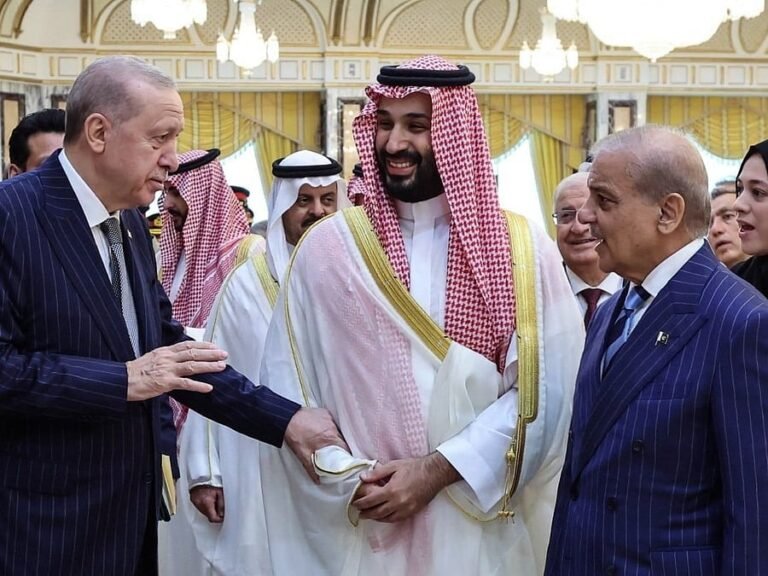
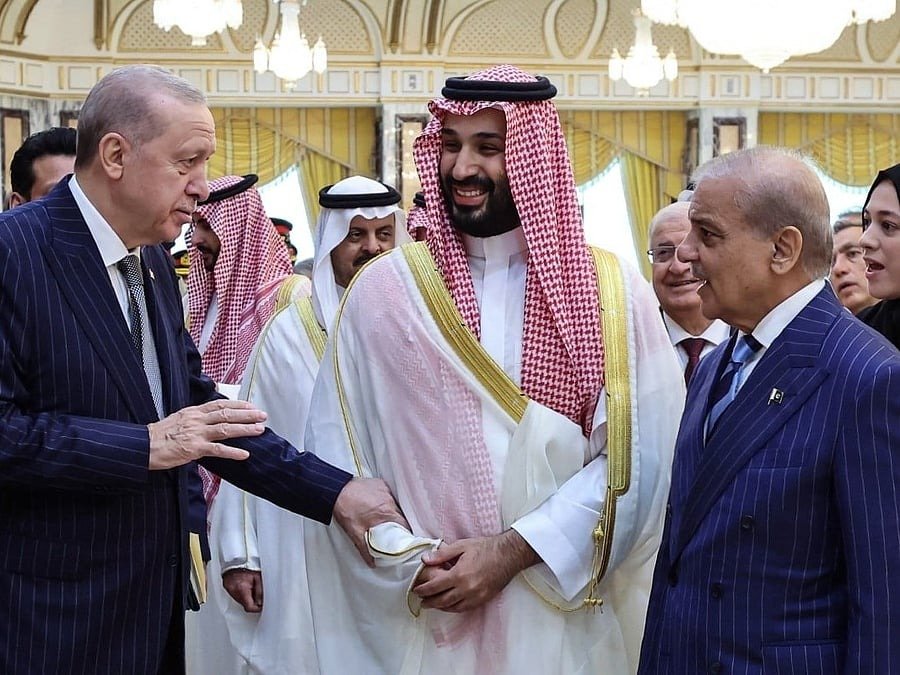
Senior security and intelligence officials from Saudi Arabia, Pakistan, and Turkey arrived in Tehran on Monday to push for a diplomatic agreement between Iran and the United States. Defense analysts, energy markets, and regional governments are closely monitoring the emergency talks as cross-border military strikes raise the risk of a wider Middle East conflict.
Saudi, Turkish, and Pakistani delegates confront escalating Houthi strikes while seeking Washington-Tehran compromise
The delegation includes Saudi Defence Minister Prince Khalid bin Salman, Pakistani army chief Field Marshal Asim Munir, and Turkish intelligence chief Ibrahim Kalin. Their schedule in Tehran includes discussions with Iranian President Masoud Pezeshkian, security chief Mohsen Rezaei, and senior nuclear negotiators.
The diplomatic push unfolds under the framework of the Mecca Joint Defence Agreement, a mutual security alliance among the three participating nations. Beyond US-Iran backchannel communications, negotiations directly address the escalating war in Yemen and persistent Houthi strikes on Saudi energy and transport sites. Overcast by fresh explosions in Riyadh following a claimed Houthi attack on the capital’s international airport, the talks represent a direct effort by Gulf and regional powers to contain threats to their own borders.
Saudi Deputy Minister for Public Diplomacy Rayed Krimly confirmed the mission aims to support de-escalation and dialogue, complementing separate mediation tracks led by Qatar and Pakistan. Iranian Foreign Ministry spokesman Esmail Baghaei acknowledged that the sessions focus on immediate security threats facing the region.
Each participating state brings specific leverage to the table. Pakistan maintains direct communication lines between Washington and Tehran through military channels, while Turkey operates with NATO security backing and established regional ties. Saudi Arabia faces immediate exposure to projectile attacks, creating urgency to secure binding commitments.
Saudi security analyst Hesham Alghannam indicated the diplomatic window in Tehran may be the final opportunity to prevent systemic military escalation across multiple fronts.