Miss Israel's Jerusalem Costume Triggers Backlash at 75th Miss Universe
A national costume showcased on the global stage in San Juan, Puerto Rico, has drawn intense international debate following the 75th Miss Universe national costume show on November 21, 2026. Israel’s 25-year-old representative, Danielle Yablonka, walked the stage alongside 115 other contestants wearing an ensemble that incorporated contested regional symbols ahead of the November 24 grand finale.
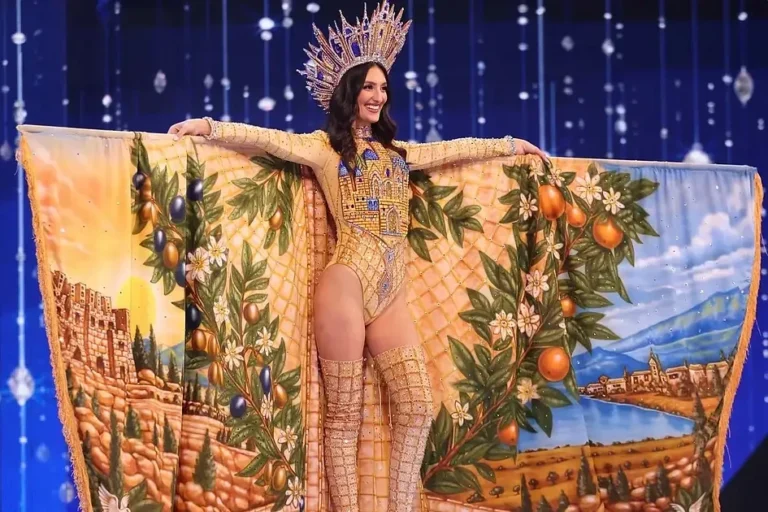
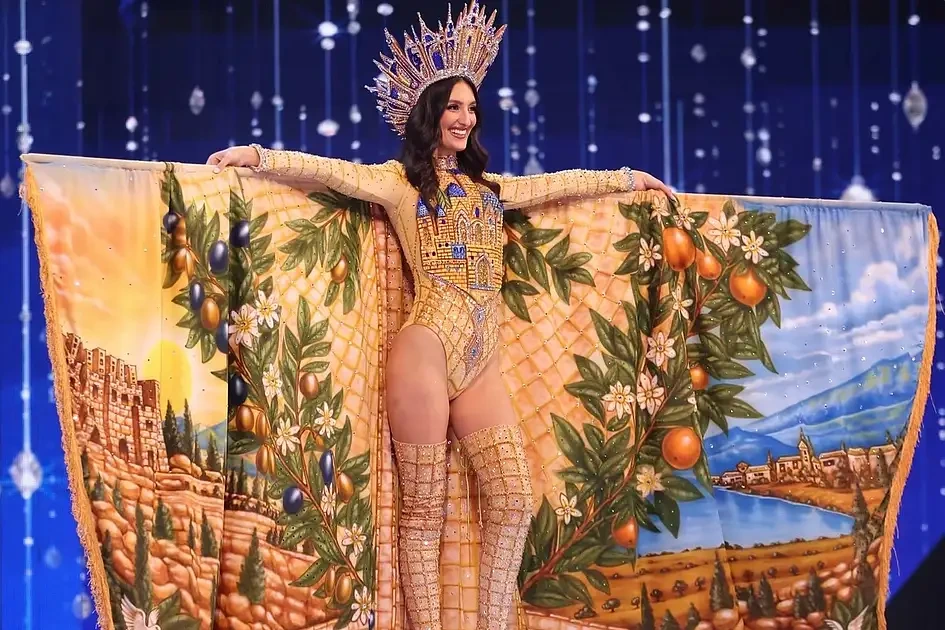
Titled *Where the Desert Blooms*, the outfit featured a gold-and-blue embellished bodysuit, matching gold boots, an elaborate crown, and a sweeping cape. Designed by Jerusalem-born Israeli designer Jacob Meir, the cape displayed imagery of Jerusalem’s Old City, olive trees, and citrus groves. The cape’s wings also featured the word “peace” written in English, Hebrew, and Arabic, alongside the text “Jerusalem, City of Peace”.
The Miss Israel Instagram account described the outfit as “a celebration of resilience, diversity, and the belief that beauty can grow from adversity”, while the pageant’s announcer introduced the design as a tribute to a land where history lives, cultures meet, and the desert blooms.
Divided Stage Reactions and Contentious Symbols
Audience footage captured a divided response inside the venue, showing a mix of cheering and audible booing as Yablonka walked the runway. Addressing the footage in an interview with Israel’s Channel 12, Yablonka disputed that she was jeered on stage, stating she was 99 per cent sure the boos were edited into widely circulated online video clips after the event. She noted that a single audience member who booed on the first night was quickly silenced, adding that she felt supported by fellow contestants and event staff.
Speaking to *The Times of Israel*, Yablonka stated: “I wanted this costume to tell the story of Israel beyond the headlines.”
Online debate quickly focused on the political and cultural weight of the visual elements integrated into the cape, particularly against the backdrop of the ongoing Israeli-Palestinian conflict and war in Gaza. Critics highlighted that olive groves and Jaffa oranges carry deep historical significance for Palestinian heritage, identity, and economic survival.
According to United Nations figures, an estimated 80,000 to 100,000 Palestinian families in the West Bank rely on olives and olive oil as a primary or secondary source of household income. UN reports indicate that Palestinian farmers face escalating land access restrictions, settler attacks, and agricultural destruction. UN data reveals that more than 4,000 olive trees and saplings have been damaged since September 2026 alone, with over 25,000 kilogrammes of produce stolen or vandalized during the harvest season.