Hormuz Shipping Lane Deal Near, But Full Reopening Tied to US
Iran and Oman are very close to an agreement on managing shipping through the Strait of Hormuz, according to Iranian Foreign Minister Abbas Araghchi. However, a shipping deal between the two countries does not necessarily mean the waterway will fully reopen, as Iran says full reopening depends on conditions it has set for the US. These conditions include ending US threats against Iran, permanently ending the war with Iran and its regional allies, lifting the US naval blockade of Iranian ports, withdrawing US forces from the region, compensating Iran for war damage, lifting US sanctions, and releasing frozen Iranian assets unconditionally.
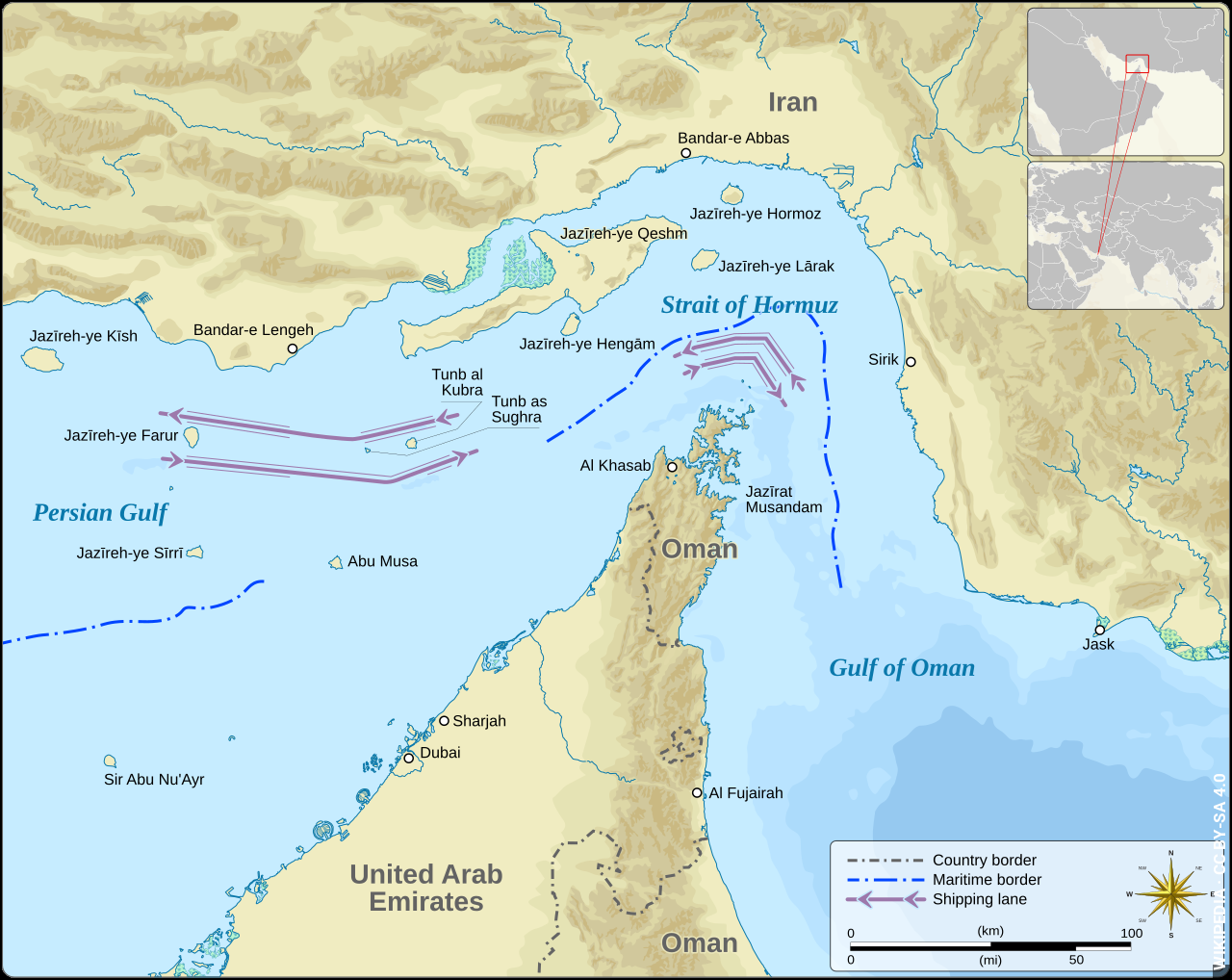
The proposed arrangement would initially use a temporary route while Iran and Oman work towards a new Traffic Separation Scheme, which is a set of designated shipping lanes designed to keep vessels traveling in opposite directions apart. Questions remain over which routes will be used, who will coordinate vessel movements, and what security arrangements will apply. Iran has been directing some vessels away from traditional shipping lanes, citing security concerns, and the EU has said Iran’s Revolutionary Guard introduced a system requiring vessels to provide information and, in some cases, pay tolls to transit.
Shipping through Hormuz remains far below pre-war levels, with roughly 130 to 140 vessel crossings a day before the conflict, compared to just eight vessels crossing the strait on Friday, according to maritime intelligence firm Kpler. The security situation remains a major concern, with the UAE reporting that an ADNOC vessel was targeted by an Iranian missile while sailing through the Strait of Hormuz on Saturday, and Oman warning that attacks on commercial vessels could undermine the talks.
The US-Iran dispute continues, with Vice President JD Vance saying Washington and Tehran are still negotiating and that the US expects Gulf oil and gas exports to return to pre-war levels. Oman is playing a key role in the negotiations between Iran and the wider international community, and a workable Iran-Oman arrangement could provide a way to get commercial vessels moving again even while the wider US-Iran dispute continues.
This development comes as the international community continues to monitor the situation in the Strait of Hormuz, following previous reports of increased tensions and disruptions to shipping in the region. As the negotiations between Iran, Oman, and the US continue, the fate of the Strait of Hormuz and its impact on global energy markets remain uncertain.