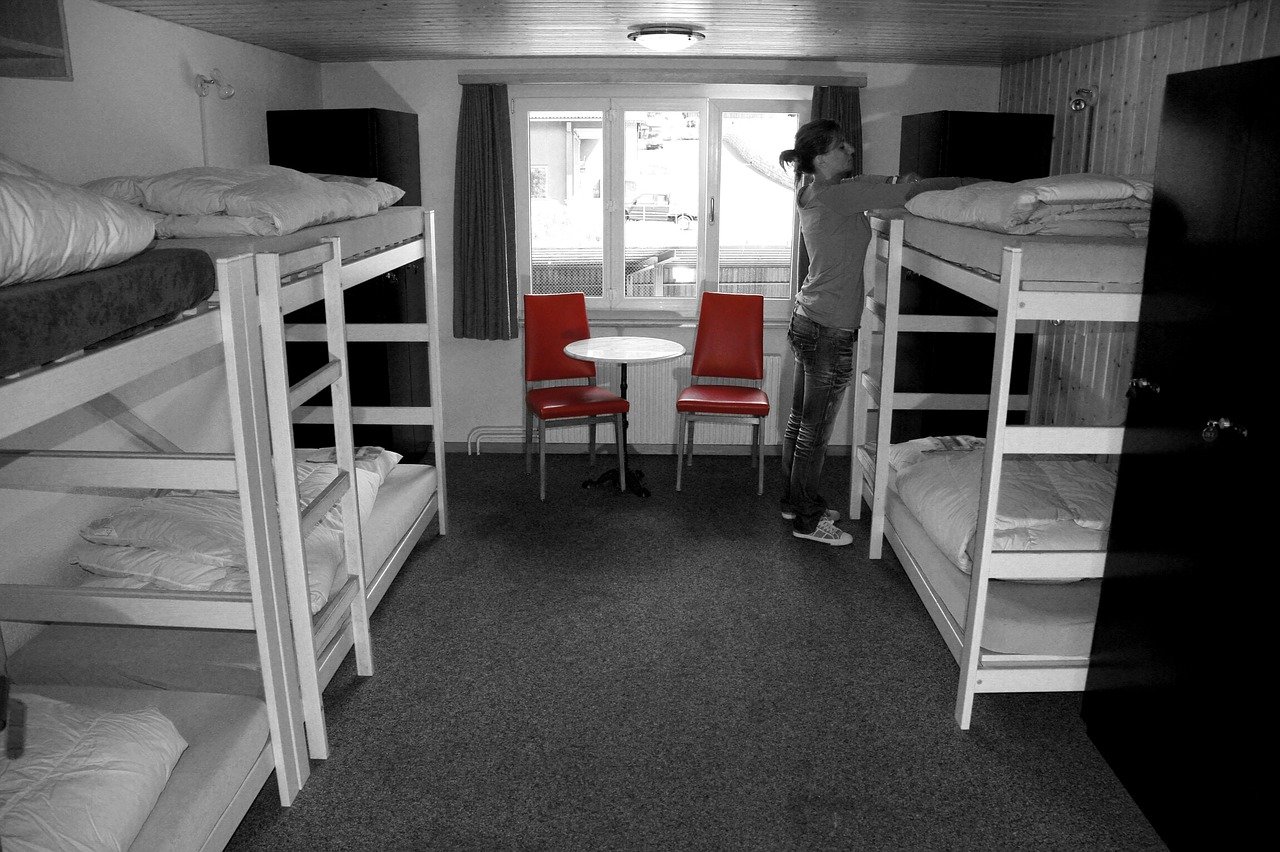
New Dubai Shared Housing Rules Ban Unauthorised Apartment Partitions
Dubai Law No. (4) of 2026 establishes a strict regulatory framework across private development zones and free zones, making it illegal to divide a residential unit into separate rooms or bed spaces without an official permit.
Who the Shared Housing Framework Applies To
The law draws a clear line between authorised housing operators and general tenants across all residential zones in the emirate.
- Property Owners: Only owners, or companies explicitly authorized to manage or lease units on an owner’s behalf, can legally operate shared accommodation. An owner cannot simply split a flat among multiple tenants for commercial return without formal municipal approval.
- Tenants: Tenants are completely excluded from operating shared housing. A tenant cannot install temporary walls, divide rooms, or sublet bed spaces to third parties.
- Building Managers: Property management firms must ensure units under their care meet statutory density standards, as municipal regulations forbid management from entering rented apartments once handed over to tenants.
Statutory Requirements for Shared Accommodation
“A real estate unit cannot be allocated for shared housing without obtaining a permit,” says Ahmed Elnaggar, CEO of Elnaggar and Partners. “This changes the conversation completely. It is no longer simply a question of whether the landlord agrees to subletting or whether several people can contractually agree to live together. The property itself must enter the shared housing regulatory system.”
To operate shared accommodation legally under the new framework, specific steps must be met through official channels:
- Secure an explicit shared housing permit from Dubai Municipality before allocating any residential unit for multiple occupancy or room division.
- Comply with Dubai Municipality standards regarding population density, surrounding infrastructure capacity, sewage system loads, and local neighborhood urban planning requirements.
- Observe all municipal caps regarding the maximum number of occupants permitted per unit, the precise floor area allocated per resident, and the required building services and facilities.