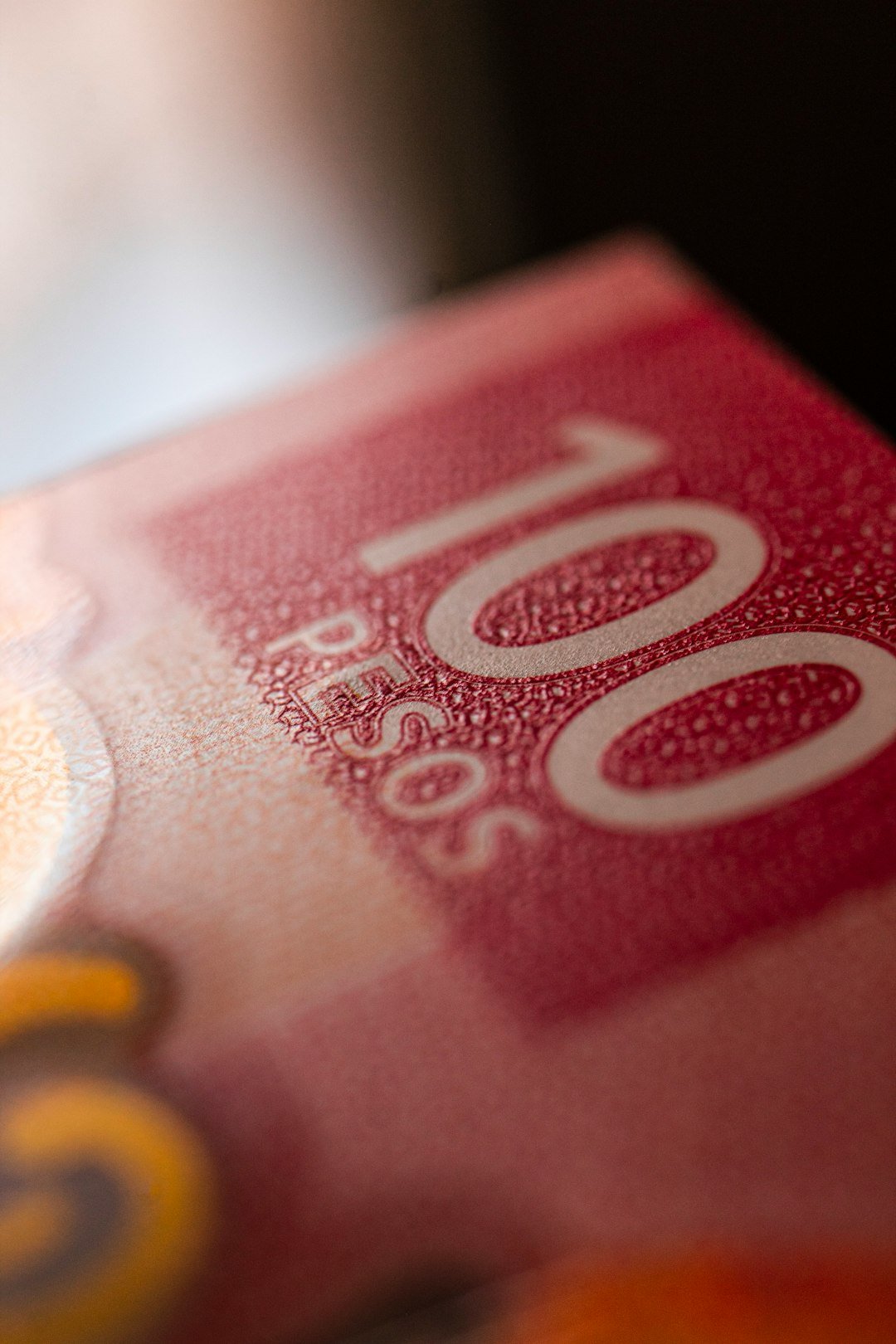
Sending Money Home Gets Boost as Dirham Hits 17.02 Pesos
Filipinos heading to exchange counters across the UAE are getting noticeably more value on their money transfers today. The UAE dirham climbed to 17.02 pesos at 10 am, driven by a widening slide in the Philippine currency.
Extra Pesos at the Remittance Counter
The shift brings immediate value to monthly family transfers. Sending Dh1,000 home today yields 17,020 pesos, delivering 100 pesos more than the 16,920 pesos the same amount converted for on September 1.
The rate steadily climbed across the past week. One dirham stood at 16.92 pesos on September 1, moving to 16.95 on September 2 and 3, holding at 16.99 between September 4 and 6, before crossing 17 pesos. That represents a 10-centavo increase per dirham in seven days.
The move triggered an immediate reaction at local exchange houses. Al Ansari Exchange Chief Executive Officer Ali Al Najjar confirmed that customers are paying closer attention to exchange-rate movements and choosing specific timing to send funds home, driving a slight increase in remittance activity along the Philippines corridor.
Import Bills and Inflation Drive the Slump
The underlying pressure stems from a weakening Philippine peso, which fell to a fresh record low of around 62.77 against the US dollar. The peso has dropped about 6.2% against the dollar this year, making it the worst-performing emerging-market currency in Asia. Earlier in the summer, the currency stood at 61.847 against the dollar on July 24 before sliding further through August and early September.
Heavy dependence on imported energy lies at the root of the weakness. Higher crude prices forced Philippine energy importers to buy more US dollars, widening the country’s trade deficit by roughly 29% to $37 billion through the first seven months of the year. Concurrently, foreign exchange reserves fell about 9% to $103 billion from their February record high.
Bangko Sentral ng Pilipinas Governor Eli Remolona and President Ferdinand Marcos Jr. have signaled that spending heavily from those reserves to prop up the currency is unsustainable. During a Senate hearing, Remolona explained that trying to push the peso back below 60 to the dollar risks depleting national dollar holdings, prompting the central bank to focus instead on curbing severe volatility.
Domestic economic pressures inside the Philippines compound the currency’s slide. Consumer price inflation rose to 6.1% in August, more than double the central bank’s 3% target, while second-quarter economic growth slowed to 2.3%. The central bank has raised interest rates three consecutive times to keep pace with rising costs.