Control of US Congress Hangs in the Balance on November 3
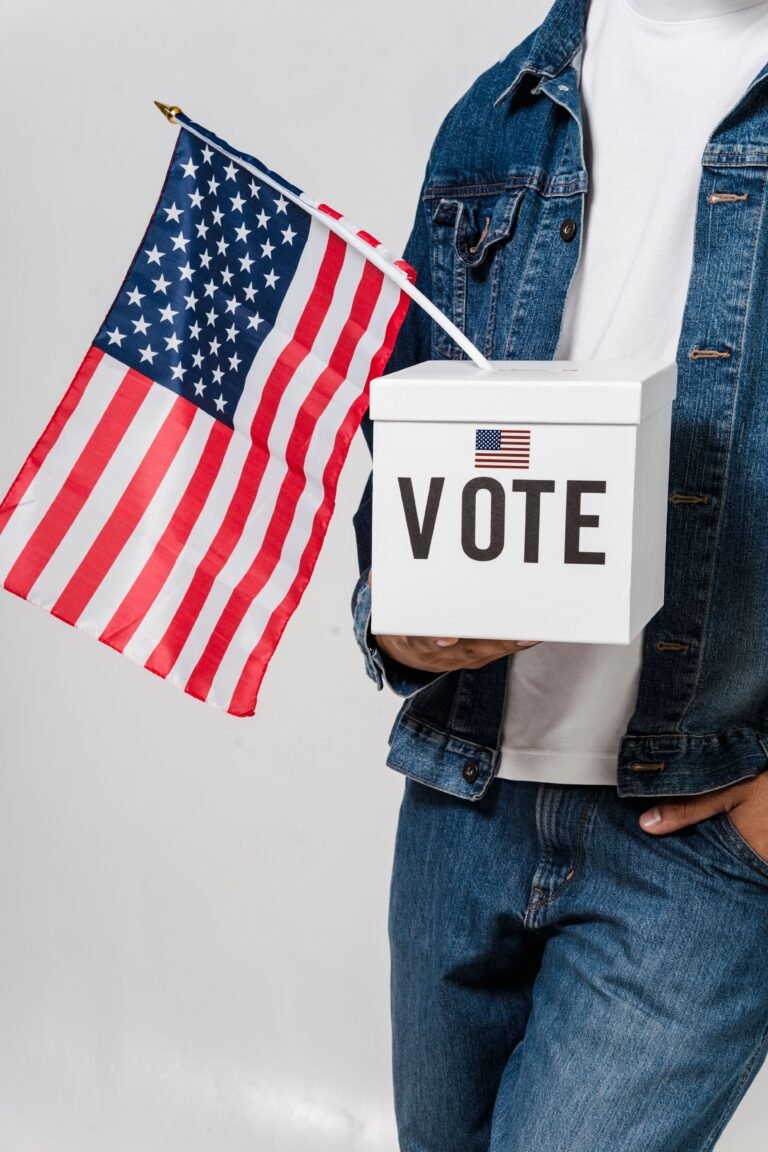
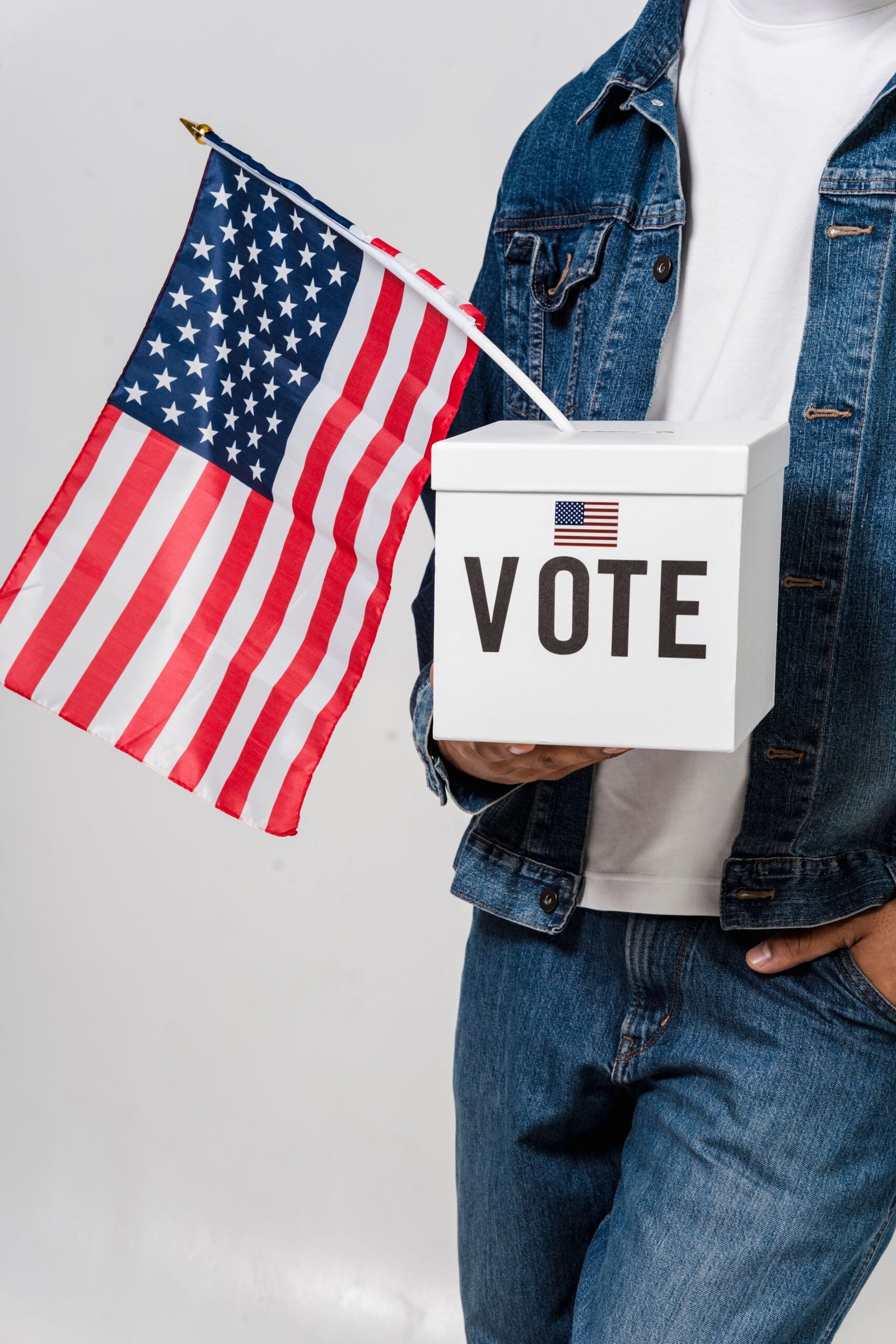
More than 100 million people are expected to cast ballots, and a record $3.8 billion has already poured into political advertisements as the United States barrels toward the November 3, 2026, midterm elections. Held midway through the presidential term, these races decide every seat in the House of Representatives, roughly a third of the Senate, and numerous state governorships without the presidential contest on the ticket to drive peak turnout.
Control of both chambers of Congress is hanging by a thread. Republicans currently hold a narrow 218-214 majority in the House, alongside two vacancies and one independent who caucuses with them, meaning Democrats need a net gain of just four seats to seize control. The Senate battle is similarly tight, with Republicans defending a 53-47 advantage. Democrats face the exact same four-seat hurdle across ten high-stakes races in battleground states like Maine, Ohio, North Carolina, Iowa, and Georgia.
The financial scale of the cycle matches the political tension. Data from AdImpact shows that political ad spending hit a record $3.8 billion by October 12, with the heaviest spending concentrated in competitive Senate contests in Texas, Ohio, and Michigan. Outside spending has also broken norms, with Elon Musk alone funneling about $366 million to support Republican candidates, according to campaign finance records.
Voter sentiment ahead of the November date points to a volatile political environment. A September Reuters/Ipsos poll places President Donald Trump’s approval rating at an all-time low of 32 per cent, with domestic pressures like rising consumer prices threatening to erode Republican support. At the same time, early voting has been underway for weeks, and signs of strong Democratic enthusiasm, coupled with Latino voters potentially shifting back due to economic frustrations and immigration policies, have added uncertainty to a cycle where Republicans lean heavily on campaign spending advantages and lingering skepticism toward the opposition.