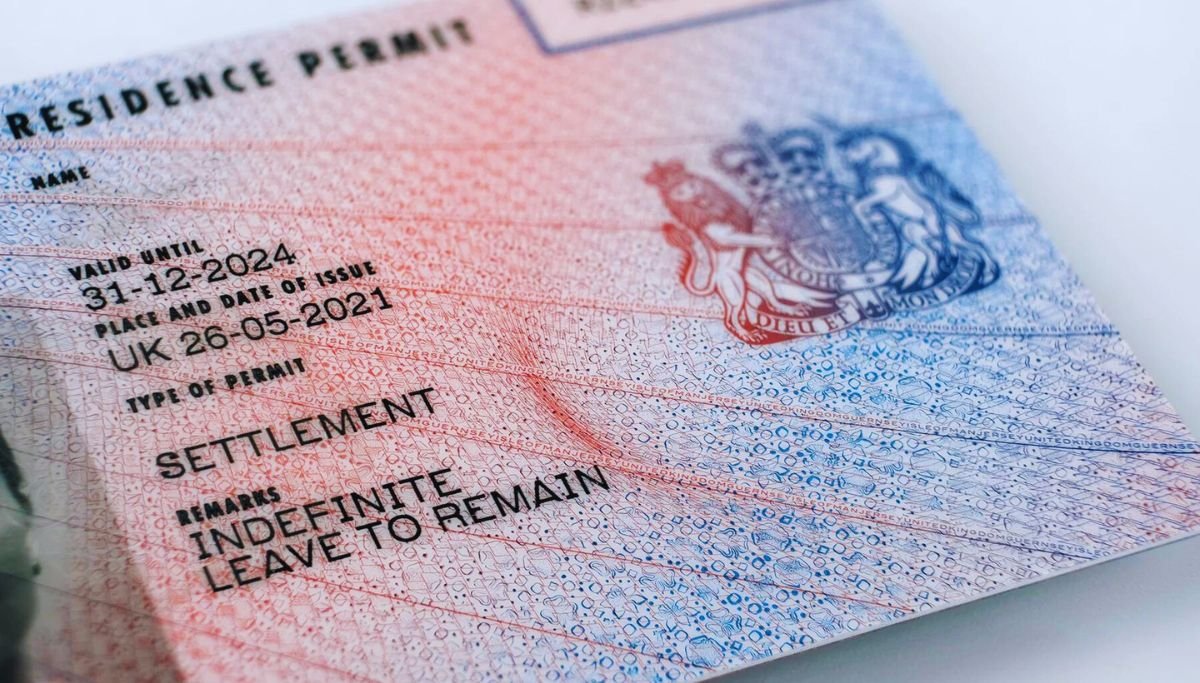
The global residency by investment 2026 cycle has arrived with a clear message from governments: the era of fast-track, lightly vetted permits is closing. Across Europe and beyond, countries are raising minimum investment amounts, narrowing which asset classes qualify, and in several cases shutting down routes that drew heavy applicant volumes just two or three years ago. For families weighing a second residency today, the cost of moving slowly has risen sharply, a program open this quarter may look very different by year-end.
Investment migration programs in 2026 are increasingly tightening eligibility rules and raising minimum investment thresholds, accelerating a shift in investor interest away from Europe toward Asia-Pacific, Latin America and the Caribbean.
What You Need to Know
- Governments worldwide are raising investment thresholds and tightening eligibility criteria for residency-by-investment programs throughout 2026, with some popular routes closed entirely.
- Portugal and Greece remain the most actively discussed European residency options, but both face stricter rules on how qualifying funds can be deployed and scrutinized.
- Investor families are shifting their evaluation criteria away from speed of permit issuance toward long-term factors: education access, business continuity, tax planning, and political stability.
- Execution risk is rising for applicants and advisors alike, as program changes, threshold increases, new due-diligence layers, route closures, can take effect with limited notice.
Investment Migration Regulations 2026: The New Baseline
The defining characteristic of this year’s investment migration environment is structural tightening, not isolated policy tweaks. Screening processes are more rigorous. Minimum qualifying investments are higher. The range of assets that governments accept, real estate, funds, government bonds, job-creation vehicles, is narrowing, with several jurisdictions removing or capping the property investment route that historically attracted the largest share of applicants.
This shift reflects a deliberate policy direction. Governments that built residency programs on volume are recalibrating toward quality of applicant and durability of economic contribution. The practical consequence for anyone currently evaluating options is that the comparison table they reviewed six months ago is likely outdated on at least one material point.
Source-of-funds documentation is now a central variable, not a formality. Applicants who cannot demonstrate a clean, well-documented capital trail face delays or outright rejection at the due-diligence stage, regardless of whether they meet the financial threshold on paper. Advisors working in this space are reporting that documentation quality has become as decisive as the investment amount itself.
Europe’s long-standing dominance in investment migration is being challenged in 2026 by faster-growing demand and program competition from Asia-Pacific, Latin America and Caribbean jurisdictions.
Residency by Investment Europe 2026: Portugal and Greece in Focus
Within Europe, Portugal and Greece continue to attract the highest volume of inquiries from internationally mobile families, but neither program operates today the way it did at its peak. Both countries have moved to restrict or redefine which investment categories qualify, with particular scrutiny applied to residential real estate in high-demand urban areas, the very asset class that drove earlier application surges.
Portugal’s residency-by-investment framework now channels qualifying capital toward lower-density regions, venture funds, and specific economic sectors rather than Lisbon or Porto apartment purchases. Greece has similarly adjusted its golden visa program, raising the minimum investment threshold in metropolitan areas while maintaining lower entry points in designated regions. For applicants, this means the geography of a qualifying investment now carries as much weight as its size.
The regulatory direction across both countries points toward closer oversight of how funds are actually deployed post-approval, not just at the point of application. That adds a compliance dimension that extends well beyond the initial permit stage, families and their advisors need to account for ongoing reporting obligations, not just the entry requirements.
Malta and Greece topped the 2026 global rankings for residency-by-investment programs as investor demand shifted toward jurisdictions offering stronger long-term stability and tighter compliance standards.
| Dimension | Previous Approach | 2026 Direction |
|---|---|---|
| Investment thresholds | Lower minimums, broad asset eligibility | Higher minimums, narrower qualifying categories |
| Real estate route | Urban residential property widely accepted | Restricted or removed in major cities; regional focus |
| Due diligence | Standard background checks | Deeper source-of-funds scrutiny, extended timelines |
| Investor priority | Speed of permit issuance | Long-term mobility, education, tax, and business access |
| Post-approval obligations | Minimal ongoing reporting | Closer oversight of fund deployment |
How Investor Families Are Recalculating the Decision
The applicant profile driving residency-by-investment demand in 2026 is not chasing a document. Families evaluating programs are running multi-variable calculations that include school systems, healthcare access, treaty networks for business operations, and the tax treatment of foreign-sourced income. A residency permit is the mechanism; the underlying goal is optionality across a ten-to-twenty-year horizon.
This behavioral shift has practical implications for which programs remain competitive. A country with a lower investment threshold but a thin treaty network or an unstable regulatory history may lose out to a higher-cost program that offers genuine long-term certainty. Greece‘s regional investment incentives, for instance, are drawing interest partly because they combine a lower entry point with EU residency rights, a combination that carries weight for families thinking about children’s university access or business expansion into European markets.
Wealth managers advising high-net-worth clients are increasingly treating investment migration as a component of a broader portfolio and estate planning conversation, not a standalone immigration transaction. The compliance requirements, the capital lock-up periods, and the tax residency implications all interact with existing structures in ways that require coordinated advice across legal, tax, and immigration disciplines.
Execution Risk and the Cost of Waiting
The single most underestimated variable in the current environment is timing. Program changes in 2026 are not being telegraphed months in advance. Threshold increases, route closures, and new due-diligence requirements have taken effect with short notice periods, leaving applicants mid-process facing materially different conditions than when they began.
For intermediaries, immigration lawyers, wealth advisors, relocation consultants, this creates a professional obligation to build contingency into every client engagement. An application strategy built around a specific investment vehicle or threshold needs a documented fallback if that route changes before approval is granted. That is no longer a theoretical risk management exercise; it is a practical reality that several applicant families have encountered this year.
The families best positioned in this environment are those who have completed their source-of-funds documentation, identified a primary and an alternative qualifying investment, and engaged counsel with direct, current knowledge of the specific program they are targeting. Generic investment migration advice calibrated to conditions from two years ago is not just unhelpful, it is actively misleading in a market moving at this pace.
For anyone still in the research phase, the most concrete next step is verifying the current threshold and qualifying asset list directly with the relevant program authority or a licensed immigration advisor with active case experience in the target jurisdiction. The program details published on third-party aggregator sites frequently lag behind regulatory changes by weeks or months.
💡 Frequently Asked Questions
Which European countries still offer residency by investment in 2026?
Portugal and Greece remain among the most active European residency-by-investment destinations in 2026. Both programs are operational but have introduced stricter rules on qualifying investment categories, higher thresholds in major urban areas, and closer scrutiny of how funds are deployed after approval.
How have investment thresholds changed for golden visa programs in 2026?
Across most active programs, minimum investment amounts have increased compared to prior years. Several countries have also removed or capped residential real estate in high-demand cities as a qualifying asset, redirecting applicants toward regional investments, venture funds, or specific economic sectors.
What is the biggest risk for applicants pursuing residency by investment in 2026?
Execution risk from mid-process program changes is the most significant practical concern. Threshold increases, route closures, and new due-diligence requirements have taken effect with limited advance notice in 2026, meaning applicants who begin a process under one set of conditions may face materially different requirements before their application is approved. Documentation quality and source-of-funds clarity are now as decisive as meeting the financial threshold.

UAE Music Licensing Fees Introduced
Commercial Music Now Costs UAE Venues
The UAE Ministry of Economy and Tourism has announced that venues playing music commercially, including hotels, restaurants, and malls, will be required to pay licensing fees starting December 2026. This move is part of the new Collective Management in Music Guide, which aims to regulate the management of music rights and protect copyright standards under UAE Vision 2031.
This new system will affect various businesses, including restaurants, cafes, hotels, malls, gyms, and airlines that play music commercially. However, some institutions will be exempt from paying the fees, such as schools, academic institutions, non-commercial celebrations, and national events. The fee will work on a sliding scale, dependent on the nature of use and the size of the business applying for the license. Each venue that receives a license will get a renewable one-year license, with fees paid to the Emirates Music Rights Association and Music Nation.
The introduction of these licensing fees is intended to reduce copyright violations and standardize licensing fees, aligning with global best practices. Additionally, 10% of the collected fees will go towards the Cultural Support Fund in the Field of Music, which will provide financial support and technical expertise to aspiring artists, producers, and performers, helping to promote Emirati music internationally.
To comply with the new regulations, businesses playing music commercially will need to obtain a license from the Emirates Music Rights Association and Music Nation. The license will be renewable annually, and fees will be paid based on the nature of use and the size of the business.
| Category | Exempt |
|---|---|
| Schools and academic institutions | Yes |
| Non-commercial celebrations and national events | Yes |
| Hotels, restaurants, cafes, malls, gyms, and airlines | No |
The UAE Ministry of Economy and Tourism's move to introduce music licensing fees is a significant step towards protecting intellectual property rights and promoting the local music industry. Businesses playing music commercially must prepare to obtain the necessary licenses and pay the required fees to avoid any potential penalties.

UAE E-Invoicing Mandate: What You Need to Know
E-Invoicing Comes to UAE: AED 50m+ Businesses Must Comply by Jan 2027
The UAE's move towards e-invoicing is expected to transform the way businesses operate, making transactions more efficient and transparent. The Ministry of Finance has described e-invoicing as a key enabler of a modern digital and paperless economy. As of July 2026, larger businesses generating more than AED 50 million in annual revenue will be required to adopt the e-invoicing system, with smaller businesses to follow by January 2027.
This change will affect most businesses in the UAE, requiring them to assess their systems, clean their data, train their teams, and work with approved service providers. Experts warn that delaying this process may lead to technical and operational challenges, particularly if supplier records are incomplete or VAT details are inconsistent. E-invoicing is not just about the invoice itself, but about the quality of the information behind every transaction, enabling businesses to connect processes that have often operated separately.
The Peppol framework will ensure alignment with global standards for cross-border trade, and businesses that approach e-invoicing strategically will gain better control over invoice data, faster processes, stronger audit readiness, and a clearer view of how money moves through the business. Dayma noted that e-invoicing serves as a catalyst for digital transformation, significantly improving efficiency by automating manual processes and reducing errors.
The rollout will happen in phases, with full implementation across all segments expected by 2028. Businesses that fail to comply with the e-invoicing mandate may face penalties, although the exact fines have not been specified. It is essential for businesses to take proactive steps to prepare for the transition, ensuring a smooth integration and avoiding potential risks.
To comply with the e-invoicing mandate, businesses should:
- Assess their current systems and identify areas for improvement.
- Clean and update their data to ensure accuracy and consistency.
- Train their teams on the new e-invoicing system and procedures.
- Work with approved service providers to ensure a smooth transition.
| Category | Deadline |
|---|---|
| Larger businesses (AED 50m+ annual revenue) | January 1, 2027 |
| Smaller businesses | January 2027 (exact date not specified) |
| Full implementation across all segments | 2028 |

India's 180-Day Rule: What UAE NRIs Need to Know
UAE NRIs Exempt from India's 180-Day Overseas Funds Rule
If you're a UAE-based Non-Resident Indian (NRI), you might be wondering how India's 180-day overseas funds rule affects your financial transactions. The rule, which requires resident Indians to use or repatriate unspent remitted funds within 180 days, has been causing concerns among offshore banks and resident Indians. However, for most UAE-based NRIs, this rule does not apply.
The restriction targets "person resident in India" under the Foreign Exchange Management Act (FEMA) and does not generally extend to foreign income earned by an NRI and retained outside India. This means that a UAE-based NRI can keep their salary, business income, and savings in UAE bank accounts without having to spend, invest, or remit the money to India within 180 days. Funds in Indian Non-Resident External (NRE) and Foreign Currency Non-Resident (FCNR) accounts follow separate rules.
The 180-day rule is part of India's Liberalised Remittance Scheme (LRS), which allows resident individuals to remit up to $250,000 in each financial year. The scheme permits expenses such as travel, education, and medical treatment, as well as overseas investments and property purchases. However, foreign exchange acquired by a resident individual but left unused must generally be surrendered or repatriated within 180 days.
The rule has led to offshore banks in hubs like London, Zurich, and Singapore reviewing cards issued to resident Indians over compliance concerns. According to Moin Ladha, partner at law firm Khaitan & Co, "An unintended consequence of the 180-day deployment requirement under LRS is beginning to show up in overseas banking relationships of Indian families." However, this does not mean that UAE banks must stop issuing cards to Indian citizens who live and work in the Emirates.
For UAE-based NRIs, the key takeaway is that their salaries and savings in the Emirates are not subject to the 180-day rule. They can retain their earnings in a UAE current, savings, or fixed-deposit account without having to invest or transfer the money elsewhere. Additionally, FEMA allows people who later become Indian residents to continue holding foreign currency, overseas securities, and property acquired while they were non-residents.
In summary, UAE-based NRIs are exempt from India's 180-day overseas funds rule, and their foreign income and local bank accounts are not affected by this requirement. However, it's essential to understand the rules and regulations surrounding NRI accounts and transactions to avoid any potential issues.

Dubai Airport's Red Carpet Smart Tunnel: Passport-Free Immigration
Walk Through Dubai Airport Without a Passport: Red Carpet Smart Tunnel Explained
If you're a frequent traveler through Dubai International Airport, you might be interested to know that there's a way to pass through immigration without ever having to show your passport. The Red Carpet Smart Tunnel, located in Terminal 3, is an AI-powered biometric service that allows eligible travelers to clear immigration in just a few seconds. Developed by the General Directorate of Identity and Foreigners Affairs (GDRFA) in partnership with Dubai Airports, this innovative service is making travel experiences easier and faster for thousands of people.
The Red Carpet Smart Tunnel is a first-of-its-kind smart service that uses artificial intelligence and biometric technology to process travelers automatically as they walk through the corridor. With this system, travelers don't need to stop, stand still, or present any documents, making it a seamless and efficient way to clear immigration. In its first year of operation, nearly 800,000 people have used the service, according to the GDRFA.
The Red Carpet initiative supports the goals of the Dubai Economic Agenda D33, which aims to make Dubai the world's best city to live in, work, and visit, through excellence in digital infrastructure and AI-driven government services. This project has already gained recognition, winning the Distinguished Innovation by Public Sector, Global Distinguished Innovator (GDI) Awards 2025, presented by the US-based Global Innovation Institute (GInI).
For UAE citizens and residents who are registered with the GDRFA, using the Red Carpet Smart Tunnel is as simple as walking through the designated corridor. The biometric service processes individual travelers and groups automatically, eliminating the need for travel document touchpoints and accelerating airport throughput. With a processing time of just 3.4 seconds, this service is not only convenient but also highly efficient.
As Dubai continues to advance its digital infrastructure and AI-driven government services, innovations like the Red Carpet Smart Tunnel are making a significant impact on the travel experience. Whether you're a frequent traveler or just passing through Dubai International Airport, this service is definitely worth checking out.

Dubai Police Clearance Certificate Online
Digital Police Clearance Now Available
The Dubai Police has made it easier for residents and applicants to obtain a Police Clearance Certificate, also known as a Good Conduct Certificate, without having to visit a physical police station. This can be done through the Dubai Police app, website, Dubai Now, Smart Police Stations (SPS), or by calling 901. The certificate is a crucial document for various official procedures, including employment, travel, and residency visa processing.
For those looking to apply for a Police Clearance Certificate, the process can be initiated online. Applicants will need to provide required documents, such as their Emirates ID, passport copy, and personal details. AmerCenters can assist with the application process, including preparing the necessary documents, verifying UAE Pass credentials, and submitting the application through official portals.
The digital Police Clearance Certificate is generally accepted by UAE authorities when issued through official government platforms. However, if the certificate is issued outside the UAE, attestation may still be required before it can be used for visa processing. AmerCenters can help applicants navigate the process and ensure that their applications are complete and accurate to avoid unnecessary delays.
The UAE government's Zero Bureaucracy initiative aims to make government services more accessible and efficient. The digital issuance of Police Clearance Certificates is a significant step towards achieving this goal. With the help of AmerCenters, applicants can ensure that their applications are processed quickly and efficiently, reducing the risk of delays or rejection.
In 2026, a Police Clearance Certificate is a mandatory requirement for various purposes, including visa applications. The certificate is used as part of background verification to confirm that the applicant meets the required security and conduct standards. To apply for a Police Clearance Certificate, applicants will need to provide a clear passport copy, current UAE visa or visit visa details, and Emirates ID copy if they currently have or previously had UAE residency.