UAE brokers 350-captive Russia–Ukraine exchange
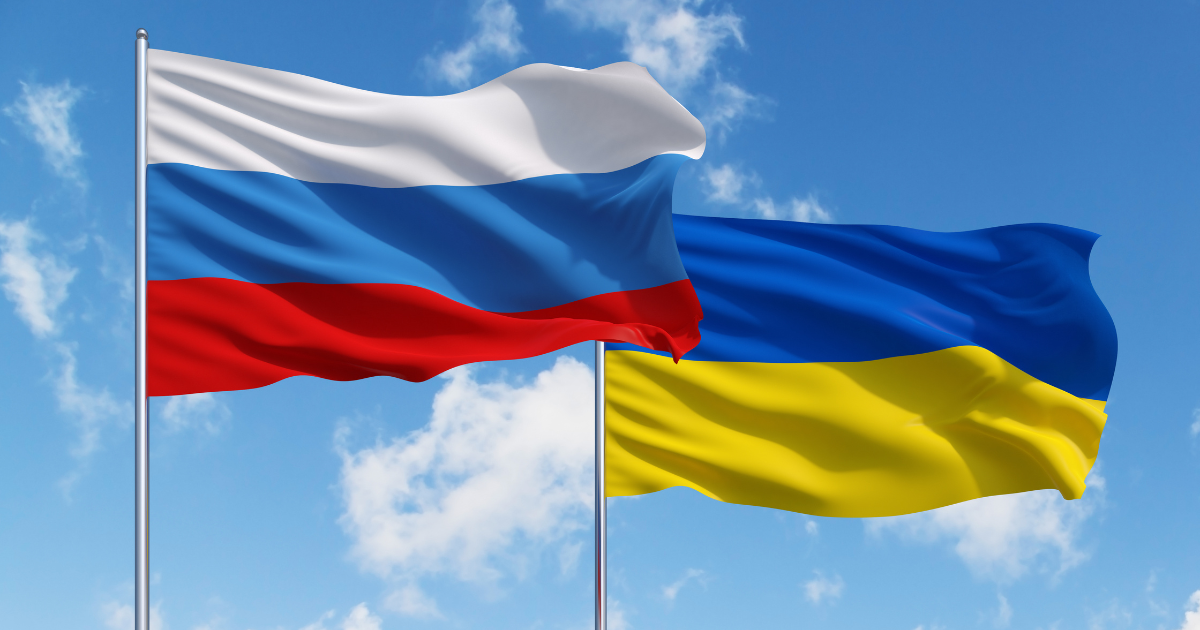
The UAE has successfully mediated a new Russia–Ukraine prisoner exchange involving 350 captives in April 2026. The exchange marked the UAE’s 21st mediation effort between Russia and Ukraine since the start of the conflict, underscoring Abu Dhabi’s role as a trusted channel for humanitarian agreements.
The United Arab Emirates acted as the mediator between Russia and Ukraine to arrange the exchange, according to an official update shared by the UAE’s Ministry of Foreign Affairs. The swap involved 350 captives, adding to a growing record of UAE-facilitated humanitarian deals linked to the war.
A total of 350 captives were exchanged in the latest UAE-brokered swap, lifting the cumulative number of prisoners exchanged through UAE mediation to 6,305.
UAE mediation Russia Ukraine
- What happened: The UAE mediated a Russia–Ukraine exchange of 350 captives.
- When: April 2026.
- Total freed via UAE mediation: 6,305.
- Where: Arranged through UAE mediation.
The UAE said the operation marked its 21st mediation effort between Moscow and Kyiv since the start of the conflict.
The ministry reiterated that the UAE’s mediation reflects its role as a trusted channel for humanitarian agreements and its commitment to supporting efforts that ease the human impact of the war.
Dubai transport infrastructure: Al Khaleej Street Tunnel Project progress
Al Khaleej Street Tunnel Project Hits 80% as Deira Commuters Near Relief
Dubai's Roads and Transport Authority (RTA) confirmed, that the Al Khaleej Street Tunnel Project has reached 80% completion, bringing one of Deira's most anticipated road upgrades within striking distance of the finish line. The 1,650-metre tunnel is engineered to push up to 12,000 vehicles per hour through one of Dubai's most congested urban corridors , a figure that signals a fundamental shift in how traffic moves through this part of the city.Al Khaleej Street Tunnel Project: 1,650m Route Confirmed
The tunnel runs from the end of the Infinity Bridge ramp in Deira to the Al Khaleej Street, Al Wuheida Street intersection. It carries three lanes in each direction, creating a six-lane grade-separated facility beneath a stretch of road that has long been bottlenecked by surface-level junctions and signalised crossings. The project forms part of Phase 4 of Dubai's broader infrastructure development programme , a sequenced approach that ensures new capacity feeds cleanly into the surrounding road network rather than simply relocating congestion to the next junction.Grade separation is the core engineering principle at work here. By routing through-traffic underground, the tunnel removes the conflict points that force vehicles to slow, stop, and merge at surface intersections. Local access, deliveries, and bus movements continue at street level without being blocked by cross-city traffic passing through. The Al Khaleej Street, Al Wuheida Street intersection , currently one of the denser signal-controlled nodes in Deira , stands to see a significant reduction in peak-hour queuing once the tunnel is operational.What This Means for Deira Drivers and Businesses
For the tens of thousands of commuters and freight operators who pass through Deira daily, the RTA's milestone update points to faster and more predictable journey times on a corridor that connects dense residential neighbourhoods to major bridges and arterial roads feeding central Dubai. Logistics companies operating out of Deira's commercial districts face lower idle-time costs when stop-start congestion eases. Retailers and hospitality businesses near the waterfront gain improved access for customers arriving from across the emirate , an advantage that compounds during peak seasons and large city events.| Project Detail | Specification |
|---|---|
| Tunnel Length | 1,650 metres |
| Start Point | End of Infinity Bridge ramp, Deira |
| End Point | Al Khaleej Street, Al Wuheida Street intersection |
| Lane Configuration | Three lanes in each direction (six total) |
| Designed Capacity | Up to 12,000 vehicles per hour (both directions) |
| Completion Status | 80% as of May, 2026 |
| Infrastructure Phase | Phase 4 of Dubai's road development programme |
- Corridor Role: Al Khaleej Street is a key coastal artery linking Deira's residential and commercial zones to central Dubai and the northern waterfront.
- Traffic Relief: The tunnel removes surface conflict points, allowing through-traffic to bypass signalised intersections entirely.
- Network Integration: Phase 4 sequencing ensures the tunnel connects to adjacent road upgrades without creating new bottlenecks at entry and exit points.
- Urban Constraint Solution: Grade separation was chosen because street-level widening in built-up Deira is restricted by existing buildings, utilities, and pedestrian infrastructure.
Dubai’s Roads and Transport Authority is delivering the Al Khaleej Street Tunnel as part of the Al Shindagha Corridor Improvement Project, one of the emirate’s flagship mobility programmes aimed at easing congestion and improving connectivity across Deira and Bur Dubai.With 80% of the 1,650-metre tunnel complete as of May, 2026, the remaining construction window will determine exactly when the 12,000-vehicles-per-hour capacity comes online and how quickly journey time savings materialise. The 1.65-kilometre Al Khaleej Street Tunnel remains under construction and is expected to be completed soon, positioning it as a near-term capacity boost for one of Deira’s busiest corridors.

Sheikh Mohamed bin Zayed Eid Al Adha Message: Peace & Prosperity
Sheikh Mohamed bin Zayed's Eid Al Adha Message Puts Peace and Prosperity Front and Centre for Every UAE Resident
The Sheikh Mohamed bin Zayed Eid Al Adha message landed on social media this week, and for the UAE's millions of residents, citizens, expats, workers, and visitors alike, it carried a meaning that goes well beyond a seasonal greeting: the country's leadership is doubling down on unity, security, and shared prosperity at a time when the wider region remains unsettled.
What the UAE President Actually Said, and Why It Resonates Right Now
His Highness Sheikh Mohamed bin Zayed Al Nahyan, UAE President, posted the Eid Al Adha greeting via his official social media channels, calling for "peace, stability, and prosperity to all." Three words. But in the context of 2026's regional backdrop, ongoing tensions that have kept governments across the Gulf on high alert, those three words are doing a lot of heavy lifting.
In the UAE, presidential Eid messages aren't just ceremonial. They're carried by state and national media, shared widely across platforms, and read as a direct signal of national priorities. When the President specifically names stability alongside prosperity, it's a deliberate reassurance to residents that daily life, public safety, and essential services remain firmly on track, even as the news cycle beyond UAE borders stays turbulent.
Why This Message Hits Differently During Eid Al Adha
Eid Al Adha is one of the UAE's most significant dates, religiously, socially, and economically. Mosques fill up for morning prayers, families gather across emirates, charitable giving surges, and the hospitality and retail sectors see some of their busiest days of the year. For Dubai specifically, the holiday coincides with peak outbound travel and a spike in domestic spending. A presidential message that leads with peace and stability isn't just warm words, it's a confidence signal to tourists, investors, and businesses that the UAE's operating environment is solid and uninterrupted.
The UAE's public communications strategy in recent years has consistently woven national resilience into its messaging, from infrastructure preparedness to economic continuity. This Eid message fits squarely into that pattern. For expats and long-term residents, it's a reminder that the country's leadership remains focused on protecting the quality of life that drew most of them here in the first place.
What This Means for You This Eid, and Beyond
Whether you're heading to prayers, travelling for the long weekend, or simply spending time with family, the practical takeaway is straightforward: the UAE's leadership has publicly reaffirmed its commitment to a safe, stable, and prosperous environment. Government services, public spaces, and emergency infrastructure remain fully operational. For businesses in hospitality, retail, and tourism, the message also functions as a green light, consumer confidence during the holiday period is backed by the highest level of national leadership.
- Who sent the message: UAE President His Highness Sheikh Mohamed bin Zayed Al Nahyan
- What was said: A call for "peace, stability, and prosperity to all" marking Eid Al Adha
- When it was posted: 28 May 2026, via official social media channels
- Why it carries weight: Presidential Eid messages in the UAE serve as national priority statements, not just greetings
- Regional context: The message comes as the UAE continues to emphasise preparedness and resilience amid wider regional tensions
- Economic signal: Stability messaging during peak Eid travel and spending reinforces investor and visitor confidence in the UAE
Sheikh Mohamed bin Zayed's Eid Al Adha message is a clear, public reaffirmation that the UAE's focus on peace, security, and shared prosperity holds firm, regardless of what's happening beyond its borders. For residents and businesses, it's the kind of leadership communication that keeps confidence high during one of the year's most active holiday periods. Eid Mubarak from the UAE's top office carries real weight, and this year, it carries it with purpose.

Iran Internet Access Restored After 8-Month Shutdown
Iran Internet Access Restored, But Don't Call It a Full Comeback Yet
Iran internet access restored, those four words sound like a clean ending, but the reality on the ground is far messier. After eight months of near-total shutdown, Iranian authorities have switched the lights back on, partially. The government has approved a phased return of connectivity following sustained pressure from international rights groups, but nobody is calling this a full restoration, and for good reason.
Eight Months Offline: What Actually Happened
To understand why this partial restoration is significant, you need to appreciate just how long eight months without reliable internet really is. Iran operates what experts describe as a two-track internet system: domestic services, local banking portals, government apps, some Iranian platforms, can stay reachable even during a national shutdown, while international traffic gets choked off at the country's centralised gateways. That means residents could technically access a local payment app while being completely cut off from WhatsApp, Instagram, international news, and global e-commerce platforms.
The mechanism behind this is straightforward. Iran's telecom infrastructure runs through national gateways that authorities can throttle or block selectively. Internet service providers operate under strict licensing rules that require them to comply with filtering directives from the government. When a shutdown order comes down, ISPs don't have a choice, they cut international bandwidth while keeping domestic traffic alive. Rights groups, including digital freedom organisations that track connectivity globally, had been criticising this shutdown for months, pointing to the economic and humanitarian cost of keeping millions of people offline.
What "Partial" Actually Means for Real People
Here's where it gets important for anyone with family, business, or financial ties to Iran, including the large Iranian diaspora community across the UAE. "Partial restoration" in practice rarely means flipping a switch and returning to normal. Authorities typically phase access back in stages: fixed broadband before mobile data, major cities before provinces, or business and institutional users before general consumers. Even when connectivity technically returns, users often experience throttled speeds, intermittent outages, and selective blocking of major global platforms. The internet is "on", but it may be functionally constrained for weeks or months longer.
For UAE residents sending remittances to family in Iran, or businesses that serve Iranian customers, this uncertainty carries a real operational cost. Payment channels, customer support lines, and digital marketing tools that depend on stable international connectivity remain unreliable. Companies that had put Iran-facing operations on hold can't simply reactivate them until it's clear whether the restoration holds, and whether major platforms become consistently reachable without workarounds like VPNs.
The Signals to Watch Before Declaring Victory
- Telecom regulator directives: Official statements from Iran's national telecom regulator will indicate whether ISPs have been instructed to restore full international bandwidth or only selective access.
- Platform availability: If major global services, messaging apps, social media, international news sites, become consistently reachable without VPNs, that's a strong indicator of meaningful restoration.
- Mobile data vs. fixed broadband: Mobile data is often the last to return and the first to be throttled. Watch for reports from users on mobile networks specifically.
- Rights group assessments: Organisations that monitor internet freedom track not just whether access is available, but whether it is stable, affordable, and free from broad platform blocks.
- Government policy signals: Because this restoration followed explicit government approval, any renewed security concerns or policy shifts could reverse gains quickly.
Iran's partial internet restoration is a step forward, but "partial" is doing a lot of heavy lifting in that sentence. For millions of Iranians and the diaspora communities, including many across the UAE, the real question isn't whether the internet is technically back, but whether it's stable, open, and here to stay. Until the telecom regulator issues clear directives and major global platforms become consistently reachable, households and businesses should stay in contingency mode rather than assume the worst is over.

Sheikh Mohamed bin Zayed Meets Denis Manturov in Abu Dhabi
Sheikh Mohamed bin Zayed Meets Denis Manturov: UAE, Russia Ties Get a High-Level Push in Abu Dhabi
Sheikh Mohamed bin Zayed meets Denis Manturov, and for UAE businesses tracking cross-border opportunity, that sentence carries real weight. UAE President His Highness Sheikh Mohamed bin Zayed Al Nahyan received Russia's First Deputy Prime Minister Denis Manturov in Abu Dhabi on May 26, 2026, during Manturov's working visit to the country, with both sides directing their focus squarely on deepening bilateral cooperation.
UAE, Russia Relations May 2026: What This Abu Dhabi Meeting Actually Signals
Receptions at this level, UAE President to First Deputy Prime Minister, are not ceremonial. They are the UAE's primary instrument for converting political intent into operational direction. When the head of state sits across from a senior economic official of Russia's standing, the signal sent to ministries, sovereign investment vehicles, and business councils on both sides is clear: the channel is open, and execution is expected to follow.
Denis Manturov holds one of the most consequential economic portfolios in Moscow, overseeing industrial development and trade. His presence in Abu Dhabi on a working visit, not a multilateral forum, underscores that this engagement was purposeful and bilateral. Follow-on activity from meetings of this kind typically surfaces as working groups, memoranda of understanding, or sector-specific forums, particularly across advanced manufacturing, energy transition, logistics corridors, and technology-enabled industry, all areas where the UAE is actively building capacity.
Abu Dhabi UAE, Russia Talks: The Business and Investment Implications
For UAE-based exporters, industrial firms, and professional services providers, the practical read is straightforward. Abu Dhabi's leadership has reaffirmed the bilateral relationship at the highest available level. That creates near-term momentum, expect increased business travel, B2B matchmaking activity, and commercial delegation announcements in the weeks ahead. Entities such as Abu Dhabi's Department of Economic Development, ADIO (Abu Dhabi Investment Office), and relevant federal trade bodies are the natural conduits through which any agreed cooperation frameworks will be channelled into actionable projects.
- Meeting Date: May 26, 2026
- Location: Abu Dhabi, United Arab Emirates
- UAE Side: President His Highness Sheikh Mohamed bin Zayed Al Nahyan
- Russian Side: First Deputy Prime Minister Denis Manturov
- Agenda Focus: Strengthening UAE, Russia bilateral ties and advancing cooperation across shared priority areas
- Visit Type: Working visit to the UAE by Manturov
- Expected Follow-On: Sector working groups, MoUs, and commercial delegation activity
The Abu Dhabi meeting between Sheikh Mohamed bin Zayed and Denis Manturov is a clear political signal that UAE, Russia bilateral engagement remains active and strategically prioritised at the highest level. For businesses operating in sectors where both economies intersect, energy, logistics, manufacturing, and technology, the window for positioning ahead of formal agreements is now. Watch for official announcements from Abu Dhabi's investment and trade bodies in the coming weeks as the direction set in this meeting filters through to implementable projects.*(Credit, WAM)*

Pope Leo XIV AI Warning Fuels Global Regulation Debate
Pope Leo XIV's AI Warning Just Turned a Tech Debate Into a Global Security Conversation
The Pope Leo XIV AI warning landed like a thunderclap this week, and it wasn't just Catholics paying attention. In a statement that has reignited one of the most urgent policy conversations of our time, Pope Leo XIV declared that artificial intelligence could accelerate war and pose a genuine threat to humanity, calling for stronger oversight and accountability from governments and the tech industry alike.
What the Pope Actually Said, and Why It Cuts Through the Noise
Papal interventions on technology aren't new, but this one arrives at a particularly charged moment. The core of the warning is straightforward: AI systems, especially those embedded in military and security contexts, can compress the time available for human judgment. When machines make targeting or surveillance decisions faster than humans can review them, the risk of miscalculation, and escalation, rises sharply. That's not a hypothetical. It's the central anxiety driving defence ministries and arms-control experts worldwide.
What makes this statement resonate beyond religious communities is its framing. Rather than speaking in purely theological terms, the message zeroes in on human dignity, accountability, and the moral limits of automated power, language that translates directly into policy. Historically, when the Vatican speaks on social issues with this kind of specificity, it shifts public opinion and gives political cover to legislators who want to act but need broader consensus to do so.
The Regulation Gap, and What 'More Oversight' Actually Means in Practice
When leaders call for "more oversight," it can sound vague. In practice, it translates into a concrete set of policy tools that regulators are already debating: mandatory risk assessments before high-impact AI systems go live, transparency requirements around how models are trained and how they behave, independent audits, and clear liability rules for when AI causes harm. Tech companies have typically responded with voluntary safety pledges, but critics, and increasingly governments, argue that enforceable standards are the only way to prevent a race to the bottom on compliance.
The debate is now moving faster. The Pope's intervention adds moral weight to calls that were already gaining traction in Brussels, Washington, and Beijing. For tech firms, the message is increasingly clear: voluntary commitments are no longer enough to satisfy regulators, investors, or the public.
What This Means If You Live or Do Business in Dubai
For UAE residents and companies, this global conversation is not abstract. The UAE has moved aggressively on AI adoption, across government services, aviation, logistics, finance, smart-city infrastructure, and education. The country's AI strategy and the work of entities like the UAE Artificial Intelligence Office and Dubai's Smart Dubai initiative have positioned the Emirates as a regional leader. But as international governance norms tighten, companies operating here will face rising expectations around data governance, model testing, and responsible deployment, particularly for AI used in hiring decisions, credit assessments, biometric identification, and critical infrastructure.
The practical consequence for Dubai-based businesses is a growing premium on what's being called "compliance-ready AI": documented processes, clear audit trails, and demonstrable human oversight for any high-stakes automated decision. Firms that can prove safety and accountability will move faster as regulatory scrutiny increases, both locally and across the international markets they serve.
- Who issued the warning: Pope Leo XIV, with reactions from tech companies and AI experts globally
- Core concern: AI could accelerate war and threaten humanity through reduced human oversight in military and security systems
- Policy ask: Stronger governance, mandatory risk assessments, independent audits, and clear liability frameworks
- Claim status: Reported as unverified by The National, details of the full statement are still emerging
- UAE relevance: Businesses using AI in high-stakes decisions face rising compliance expectations as global norms evolve
- Date: 28 May 2026
The Pope Leo XIV AI warning has done something rare: it has brought a moral voice into a debate that was in danger of becoming purely technical. For UAE residents and businesses, the takeaway is practical, AI governance is no longer a back-office concern, it's a boardroom priority. The companies and governments that get ahead of enforceable standards now will be far better positioned when the next wave of regulation arrives.