UAE brokers 350-captive Russia–Ukraine exchange
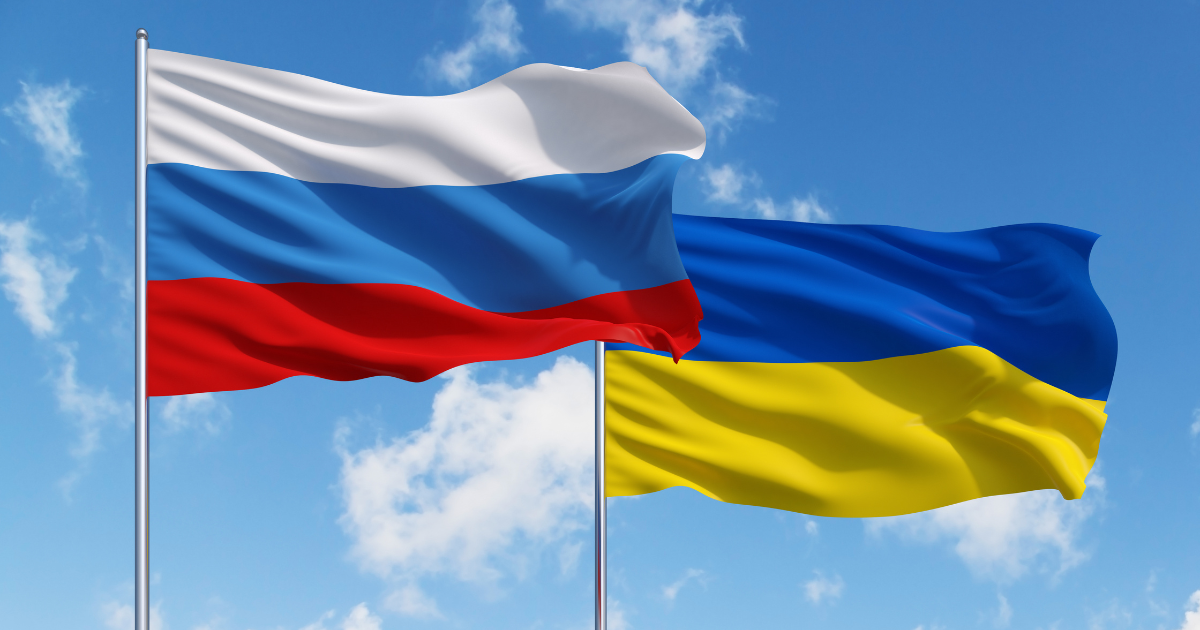
The UAE has successfully mediated a new Russia–Ukraine prisoner exchange involving 350 captives in April 2026. The exchange marked the UAE’s 21st mediation effort between Russia and Ukraine since the start of the conflict, underscoring Abu Dhabi’s role as a trusted channel for humanitarian agreements.
The United Arab Emirates acted as the mediator between Russia and Ukraine to arrange the exchange, according to an official update shared by the UAE’s Ministry of Foreign Affairs. The swap involved 350 captives, adding to a growing record of UAE-facilitated humanitarian deals linked to the war.
A total of 350 captives were exchanged in the latest UAE-brokered swap, lifting the cumulative number of prisoners exchanged through UAE mediation to 6,305.
UAE mediation Russia Ukraine
- What happened: The UAE mediated a Russia–Ukraine exchange of 350 captives.
- When: April 2026.
- Total freed via UAE mediation: 6,305.
- Where: Arranged through UAE mediation.
The UAE said the operation marked its 21st mediation effort between Moscow and Kyiv since the start of the conflict.
The ministry reiterated that the UAE’s mediation reflects its role as a trusted channel for humanitarian agreements and its commitment to supporting efforts that ease the human impact of the war.
Dubai transport infrastructure: Al Khaleej Street Tunnel Project progress
Al Khaleej Street Tunnel Project Hits 80% as Deira Commuters Near Relief
Dubai's Roads and Transport Authority (RTA) confirmed, that the Al Khaleej Street Tunnel Project has reached 80% completion, bringing one of Deira's most anticipated road upgrades within striking distance of the finish line. The 1,650-metre tunnel is engineered to push up to 12,000 vehicles per hour through one of Dubai's most congested urban corridors , a figure that signals a fundamental shift in how traffic moves through this part of the city.Al Khaleej Street Tunnel Project: 1,650m Route Confirmed
The tunnel runs from the end of the Infinity Bridge ramp in Deira to the Al Khaleej Street, Al Wuheida Street intersection. It carries three lanes in each direction, creating a six-lane grade-separated facility beneath a stretch of road that has long been bottlenecked by surface-level junctions and signalised crossings. The project forms part of Phase 4 of Dubai's broader infrastructure development programme , a sequenced approach that ensures new capacity feeds cleanly into the surrounding road network rather than simply relocating congestion to the next junction.Grade separation is the core engineering principle at work here. By routing through-traffic underground, the tunnel removes the conflict points that force vehicles to slow, stop, and merge at surface intersections. Local access, deliveries, and bus movements continue at street level without being blocked by cross-city traffic passing through. The Al Khaleej Street, Al Wuheida Street intersection , currently one of the denser signal-controlled nodes in Deira , stands to see a significant reduction in peak-hour queuing once the tunnel is operational.What This Means for Deira Drivers and Businesses
For the tens of thousands of commuters and freight operators who pass through Deira daily, the RTA's milestone update points to faster and more predictable journey times on a corridor that connects dense residential neighbourhoods to major bridges and arterial roads feeding central Dubai. Logistics companies operating out of Deira's commercial districts face lower idle-time costs when stop-start congestion eases. Retailers and hospitality businesses near the waterfront gain improved access for customers arriving from across the emirate , an advantage that compounds during peak seasons and large city events.| Project Detail | Specification |
|---|---|
| Tunnel Length | 1,650 metres |
| Start Point | End of Infinity Bridge ramp, Deira |
| End Point | Al Khaleej Street, Al Wuheida Street intersection |
| Lane Configuration | Three lanes in each direction (six total) |
| Designed Capacity | Up to 12,000 vehicles per hour (both directions) |
| Completion Status | 80% as of May, 2026 |
| Infrastructure Phase | Phase 4 of Dubai's road development programme |
- Corridor Role: Al Khaleej Street is a key coastal artery linking Deira's residential and commercial zones to central Dubai and the northern waterfront.
- Traffic Relief: The tunnel removes surface conflict points, allowing through-traffic to bypass signalised intersections entirely.
- Network Integration: Phase 4 sequencing ensures the tunnel connects to adjacent road upgrades without creating new bottlenecks at entry and exit points.
- Urban Constraint Solution: Grade separation was chosen because street-level widening in built-up Deira is restricted by existing buildings, utilities, and pedestrian infrastructure.
Dubai’s Roads and Transport Authority is delivering the Al Khaleej Street Tunnel as part of the Al Shindagha Corridor Improvement Project, one of the emirate’s flagship mobility programmes aimed at easing congestion and improving connectivity across Deira and Bur Dubai.With 80% of the 1,650-metre tunnel complete as of May, 2026, the remaining construction window will determine exactly when the 12,000-vehicles-per-hour capacity comes online and how quickly journey time savings materialise. The 1.65-kilometre Al Khaleej Street Tunnel remains under construction and is expected to be completed soon, positioning it as a near-term capacity boost for one of Deira’s busiest corridors.

Sheikh Mohamed bin Zayed Meets Denis Manturov in Abu Dhabi
Sheikh Mohamed bin Zayed Meets Denis Manturov: UAE, Russia Ties Get a High-Level Push in Abu Dhabi
Sheikh Mohamed bin Zayed meets Denis Manturov, and for UAE businesses tracking cross-border opportunity, that sentence carries real weight. UAE President His Highness Sheikh Mohamed bin Zayed Al Nahyan received Russia's First Deputy Prime Minister Denis Manturov in Abu Dhabi on May 26, 2026, during Manturov's working visit to the country, with both sides directing their focus squarely on deepening bilateral cooperation.
UAE, Russia Relations May 2026: What This Abu Dhabi Meeting Actually Signals
Receptions at this level, UAE President to First Deputy Prime Minister, are not ceremonial. They are the UAE's primary instrument for converting political intent into operational direction. When the head of state sits across from a senior economic official of Russia's standing, the signal sent to ministries, sovereign investment vehicles, and business councils on both sides is clear: the channel is open, and execution is expected to follow.
Denis Manturov holds one of the most consequential economic portfolios in Moscow, overseeing industrial development and trade. His presence in Abu Dhabi on a working visit, not a multilateral forum, underscores that this engagement was purposeful and bilateral. Follow-on activity from meetings of this kind typically surfaces as working groups, memoranda of understanding, or sector-specific forums, particularly across advanced manufacturing, energy transition, logistics corridors, and technology-enabled industry, all areas where the UAE is actively building capacity.
Abu Dhabi UAE, Russia Talks: The Business and Investment Implications
For UAE-based exporters, industrial firms, and professional services providers, the practical read is straightforward. Abu Dhabi's leadership has reaffirmed the bilateral relationship at the highest available level. That creates near-term momentum, expect increased business travel, B2B matchmaking activity, and commercial delegation announcements in the weeks ahead. Entities such as Abu Dhabi's Department of Economic Development, ADIO (Abu Dhabi Investment Office), and relevant federal trade bodies are the natural conduits through which any agreed cooperation frameworks will be channelled into actionable projects.
- Meeting Date: May 26, 2026
- Location: Abu Dhabi, United Arab Emirates
- UAE Side: President His Highness Sheikh Mohamed bin Zayed Al Nahyan
- Russian Side: First Deputy Prime Minister Denis Manturov
- Agenda Focus: Strengthening UAE, Russia bilateral ties and advancing cooperation across shared priority areas
- Visit Type: Working visit to the UAE by Manturov
- Expected Follow-On: Sector working groups, MoUs, and commercial delegation activity
The Abu Dhabi meeting between Sheikh Mohamed bin Zayed and Denis Manturov is a clear political signal that UAE, Russia bilateral engagement remains active and strategically prioritised at the highest level. For businesses operating in sectors where both economies intersect, energy, logistics, manufacturing, and technology, the window for positioning ahead of formal agreements is now. Watch for official announcements from Abu Dhabi's investment and trade bodies in the coming weeks as the direction set in this meeting filters through to implementable projects.*(Credit, WAM)*

Pope Leo XIV AI Warning Fuels Global Regulation Debate
Pope Leo XIV's AI Warning Just Turned a Tech Debate Into a Global Security Conversation
The Pope Leo XIV AI warning landed like a thunderclap this week, and it wasn't just Catholics paying attention. In a statement that has reignited one of the most urgent policy conversations of our time, Pope Leo XIV declared that artificial intelligence could accelerate war and pose a genuine threat to humanity, calling for stronger oversight and accountability from governments and the tech industry alike.
What the Pope Actually Said, and Why It Cuts Through the Noise
Papal interventions on technology aren't new, but this one arrives at a particularly charged moment. The core of the warning is straightforward: AI systems, especially those embedded in military and security contexts, can compress the time available for human judgment. When machines make targeting or surveillance decisions faster than humans can review them, the risk of miscalculation, and escalation, rises sharply. That's not a hypothetical. It's the central anxiety driving defence ministries and arms-control experts worldwide.
What makes this statement resonate beyond religious communities is its framing. Rather than speaking in purely theological terms, the message zeroes in on human dignity, accountability, and the moral limits of automated power, language that translates directly into policy. Historically, when the Vatican speaks on social issues with this kind of specificity, it shifts public opinion and gives political cover to legislators who want to act but need broader consensus to do so.
The Regulation Gap, and What 'More Oversight' Actually Means in Practice
When leaders call for "more oversight," it can sound vague. In practice, it translates into a concrete set of policy tools that regulators are already debating: mandatory risk assessments before high-impact AI systems go live, transparency requirements around how models are trained and how they behave, independent audits, and clear liability rules for when AI causes harm. Tech companies have typically responded with voluntary safety pledges, but critics, and increasingly governments, argue that enforceable standards are the only way to prevent a race to the bottom on compliance.
The debate is now moving faster. The Pope's intervention adds moral weight to calls that were already gaining traction in Brussels, Washington, and Beijing. For tech firms, the message is increasingly clear: voluntary commitments are no longer enough to satisfy regulators, investors, or the public.
What This Means If You Live or Do Business in Dubai
For UAE residents and companies, this global conversation is not abstract. The UAE has moved aggressively on AI adoption, across government services, aviation, logistics, finance, smart-city infrastructure, and education. The country's AI strategy and the work of entities like the UAE Artificial Intelligence Office and Dubai's Smart Dubai initiative have positioned the Emirates as a regional leader. But as international governance norms tighten, companies operating here will face rising expectations around data governance, model testing, and responsible deployment, particularly for AI used in hiring decisions, credit assessments, biometric identification, and critical infrastructure.
The practical consequence for Dubai-based businesses is a growing premium on what's being called "compliance-ready AI": documented processes, clear audit trails, and demonstrable human oversight for any high-stakes automated decision. Firms that can prove safety and accountability will move faster as regulatory scrutiny increases, both locally and across the international markets they serve.
- Who issued the warning: Pope Leo XIV, with reactions from tech companies and AI experts globally
- Core concern: AI could accelerate war and threaten humanity through reduced human oversight in military and security systems
- Policy ask: Stronger governance, mandatory risk assessments, independent audits, and clear liability frameworks
- Claim status: Reported as unverified by The National, details of the full statement are still emerging
- UAE relevance: Businesses using AI in high-stakes decisions face rising compliance expectations as global norms evolve
- Date: 28 May 2026
The Pope Leo XIV AI warning has done something rare: it has brought a moral voice into a debate that was in danger of becoming purely technical. For UAE residents and businesses, the takeaway is practical, AI governance is no longer a back-office concern, it's a boardroom priority. The companies and governments that get ahead of enforceable standards now will be far better positioned when the next wave of regulation arrives.

Emirates ID Renewal Fine: Avoid Dh1,000 Penalty
The Emirates ID Renewal Fine Can Hit Dh1,000, Here's How to Stay Clear of It
The Emirates ID renewal fine is one of those costs that sneaks up on UAE residents fast, Dh20 a day, every day, until you either renew or hit the Dh1,000 ceiling. If your card has expired or is about to, this is the article you need to read right now.
The 30-Day Window You Cannot Afford to Miss
Here's the simple version: once your Emirates ID expires, you have a grace period to get it renewed before the daily fines kick in. The widely cited window is 30 days post-expiry. Renew within that period and you walk away without paying a dirham in penalties. Let it slide past that point, and the clock starts ticking at Dh20 per day.
That might not sound like much on day one, but do the maths, 50 days of delay adds up to Dh1,000, which is the hard cap set under the penalty structure linked to ICP (the Federal Authority for Identity, Citizenship, Customs and Port Security). Once you hit the cap, the fine stops growing, but you're still left holding an expired ID that's blocking you from completing everyday tasks. The fine is just part of the problem.
Why an Expired Emirates ID Hits Harder Than Just the Fine
Your Emirates ID is not just a card in your wallet, it's the key that unlocks almost everything official in the UAE. Banks need it for KYC updates. Telecom providers require it for SIM registration. Landlords and property platforms reference it for tenancy processes. Government e-portals use it to verify your identity before processing anything. When it expires, you don't just risk a fine, you risk being locked out of routine transactions at the worst possible moment.
That's why the ICP and UAE authorities treat renewal timing as a compliance issue, not a casual admin task. An expired Emirates ID can stall your banking access, delay employment onboarding, and create friction at border crossings. The downstream disruption often costs residents far more in time and stress than the Dh1,000 fine itself.
Who Can Actually Get an Exemption, And What That Really Means
Exemptions from late renewal fines do exist, but they are not automatic and they are not handed out broadly. The ICP assesses exemption requests on a case-by-case basis, typically for situations where the delay was genuinely outside the resident's control, think documented administrative constraints or exceptional personal circumstances. If you believe your situation qualifies, you'll need to submit a formal request through official ICP channels, backed by supporting documentation. Treat exemption as a conditional option, not a fallback plan.
- Grace Period: 30 days after Emirates ID expiry before fines begin
- Daily Fine Rate: Dh20 per day after the grace window closes
- Maximum Fine Cap: Dh1,000 total
- Exemptions: Case-specific, assessed by ICP, not automatic
- Governing Authority: ICP (Federal Authority for Identity, Citizenship, Customs and Port Security)
- Services Affected by Expiry: Banking, telecom, tenancy, e-government portals, travel
The safest move is to start your Emirates ID renewal before expiry, not after. Build in enough lead time for biometrics, any visa-linked steps, and card delivery so you're never racing the 30-day clock. Check the latest grace period rules and fine calculations directly on ICP's official platforms at the time of renewal, since procedures can be updated. Proactive renewal costs nothing extra; last-minute scrambling can cost you Dh1,000 and a week of blocked services.

Dubai Dining Awards 2026 Winners: Full List Revealed
Dubai Dining Awards 2026 Winners Just Dropped, Here Are the 4 Restaurants You Need to Book Right Now
The Dubai Dining Awards 2026 winners list is officially out, and if you haven't already started scrolling OpenTable, you're already behind. Khaleej Times published the full rundown on 28 May 2026, crowning the restaurants that are genuinely shaping how this city eats, feels, and remembers a meal. From theatrical sensory journeys to a homegrown gem that proves Dubai-born concepts can punch with the best in the world, this list is your dining calendar for the rest of the year.
Why This List Is Worth Your Time (And Your Reservation Fee)
Dubai's restaurant scene doesn't just feed people, it drives hotel performance, shapes tourism corridors, and influences where billions in hospitality investment flows next. When a venue wins a category at an awards cycle this visible, booking windows tighten within days and peak-time pricing tends to creep upward. In short: read this now, book tonight.
The 2026 awards also signal a clear directional shift in what Dubai diners are willing to pay for. It's no longer just about premium ingredients on a plate. Categories like Best Sensory Experience and Best Tasting Menu tell you that story-driven, chef-led, immersive formats are now the mainstream expectation, not a niche novelty. That's good news for diners who want more than a meal, and a loud wake-up call for any venue still coasting on décor alone.
The 2026 Dubai Dining Awards Winners, Ranked by Wow Factor
### 🥇 1. Krasota, Best Sensory ExperienceIf you've ever wanted dinner to feel like a fever dream designed by a Michelin-starred chef and a conceptual artist working in tandem, Krasota is your answer. Winning Best Sensory Experience at the Dubai Dining Awards 2026 is no small thing, this category rewards restaurants that go beyond taste and engineer an entire emotional arc across a meal. Krasota has built its reputation on exactly that: theatrical presentation, immersive design, and a dining room that feels more like a curated installation than a restaurant. Book early. Post-award demand spikes are real, and tables here were already hard to come by.
### 🥈 2. KIGO, Best Tasting MenuTasting menus are the ultimate test of a kitchen's confidence, you're handing the chef full creative control and trusting them to take you somewhere unexpected, course by course. KIGO earned Best Tasting Menu at the Dubai Dining Awards 2026 by doing exactly that with precision and personality. In a city where multi-course formats have become a competitive sport, this win signals that KIGO's kitchen is operating at a level that justifies the set-menu commitment. If you've been on the fence about a tasting menu experience in Dubai, this is the one to start with.
### 🥉 3. Piérchic, Most Iconic DestinationSome restaurants are about the food. Some are about the view. Piérchic, perched at the end of a wooden pier at Al Qasr hotel with the Arabian Gulf stretching out in every direction, has always been about both, and the Most Iconic Destination award at the Dubai Dining Awards 2026 cements what regulars have known for years. This is the table you book for proposals, anniversaries, and the kind of dinner you're still talking about a decade later. The seafood-forward menu holds its own, but the setting is genuinely irreplaceable in a city that keeps building new landmarks.
### 🏅 4. Kinoya, Finest Homegrown RestaurantThis might be the most meaningful win on the entire list. Kinoya taking Finest Homegrown Restaurant at the Dubai Dining Awards 2026 is a signal that UAE-born concepts have fully arrived, not just as local favourites, but as venues that can stand alongside international imports on any credible list. Kinoya's Japanese-inspired menu, built with deep local customer loyalty and a sharp ear for resident feedback, represents exactly the kind of homegrown brand that investors and regional operators should be watching. For diners, it's simply one of the most consistent, soulful meals you can have in Dubai right now.
What These Wins Mean for Dubai's Food Scene in 2026
The Dubai Dining Awards don't exist in a vacuum. They're a proxy for where the emirate's hospitality economy is heading, and the 2026 winners collectively point toward experiential dining, chef-led storytelling, and homegrown brand maturity as the three forces reshaping the market. For the UAE's tourism and hospitality sector, which operates under the strategic direction of the Dubai Department of Economy and Tourism, awards visibility like this directly feeds concierge recommendation lists, corporate dining choices, and international travel media coverage.
- Best Sensory Experience: Krasota
- Best Tasting Menu: KIGO
- Most Iconic Destination: Piérchic
- Finest Homegrown Restaurant: Kinoya
- Published by: Khaleej Times, 28 May 2026
- Location: Dubai, United Arab Emirates
The Verdict: Which Table Should You Book First?
If you only have one reservation in you this month, make it Krasota, the Best Sensory Experience win reflects a dining concept that Dubai genuinely doesn't have a duplicate of. For a special occasion with a view that earns its own Instagram reel, Piérchic remains the city's most emotionally reliable table. And if you want to eat somewhere that proves Dubai can grow world-class restaurant brands from the ground up, Kinoya is the one that will make you proud to be a local.