(Credit - The National)
Iran Internet Restored to Tens of Millions After Three Months of Silence, But the Clock May Already Be Ticking
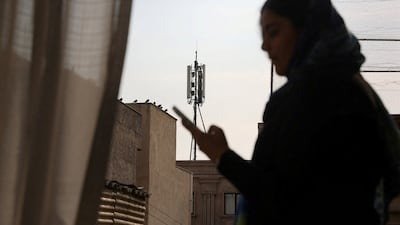
Iran internet restored, that’s the headline tens of millions of Iranians woke up to, as the government lifted sweeping connectivity restrictions that had kept the country largely offline for three months following protests and conflict.
Three Months Dark: What Iran’s Blackout Actually Cut Off
The Iranian government imposed the shutdown as a security measure during a period of civil unrest and conflict, a playbook Tehran has used before, though rarely for this long. For roughly three months, basic digital life ground to a halt: online banking became unreliable, messaging apps went dark, cloud-based business tools were effectively unusable, and families trying to reach relatives abroad were left in near-total silence. The scale of disruption affected everyday transactions, healthcare information access, and education platforms simultaneously.
When a government restricts internet access at this level, it typically works by throttling international bandwidth gateways, blocking specific application-layer traffic, or cutting routing paths between domestic and global networks entirely. Restoration, in turn, means those pathways have been reopened, though not always uniformly. Access can return faster in major urban centres like Tehran than in provincial areas, and mobile networks often recover on a different timeline than fixed-line broadband. The critical question right now is whether international bandwidth remains stable over the coming days and whether major platforms stay reachable without circumvention tools.
What This Means If You’re in the UAE With Ties to Iran
For Dubai and Abu Dhabi residents, and there are hundreds of thousands with family, business, or travel connections to Iran, the immediate upside is real and practical. Cross-border calls and video chats that were near-impossible for months can now go through. UAE-based exporters, logistics operators, and traders coordinating shipments through Iranian ports can resume direct digital communication with counterparts. Banks and remittance services that rely on confirmation messaging to complete Iran-linked transfers should see improved reliability. The Telecommunications and Digital Government Regulatory Authority (TDRA) in the UAE has no direct role here, but UAE telecom operators, Etisalat by e& and du, may see a short-term uptick in international call traffic to Iranian numbers as families reconnect.
- Who is affected: Tens of millions of Iranians; UAE residents with Iran-linked family, trade, or travel ties
- Duration of blackout: Approximately three months
- Trigger for restoration: Iranian government decision to lift restrictions imposed during protests and conflict
- Durability status: Unconfirmed, no public government guidance on scope or permanence
- Key risk: Partial or reversible restoration; continued blocks on specific apps possible
Iran’s internet is back on, but “restored” doesn’t automatically mean “stable.” Historically, politically driven restorations have been reversed or partially rolled back with little warning, leaving businesses and families exposed again. For UAE residents and firms with Iran connections, the smart move right now is to use the open window to catch up on time-sensitive communication and coordination, while building backup channels that don’t depend on Iranian connectivity staying live. Watch the next 72 hours closely.