(Credit - The National)
US Military Assists Commercial Ships Through the Strait of Hormuz as Iran Tensions Raise Gulf Shipping Risk
The Strait of Hormuz became an active zone of US military assistance for commercial shipping in 2026, as heightened tensions with Iran pushed maritime security risks to levels that prompted direct intervention. U.S. Central Command (CENTCOM) publicly confirmed assistance to two commercial vessels transiting the strait, while separate reporting, including coverage by The National, described the number of ships receiving some form of help as running into the dozens.
What CENTCOM Confirmed, and What Remains Unverified
CENTCOM’s public statements acknowledged assistance to two vessels. The broader claim that dozens of ships received US help has not been independently confirmed by official US sources and remains unverified. The gap between reported activity and formal disclosure is consistent with standard military practice: operational support in sensitive waterways is routinely broader than what is publicly acknowledged at any given moment.
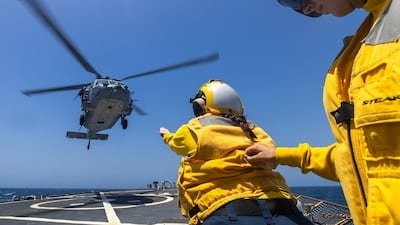
In practical terms, US military assistance to merchant shipping in the Gulf can take several forms, from real-time radio advisories and aerial surveillance to coordinated responses when a vessel reports suspicious approaches or attempted interference. In higher-risk periods, this can extend to close accompaniment through the narrowest sections of the strait, which measures roughly 33 kilometres at its tightest navigable point between the Persian Gulf and the Gulf of Oman.
Direct Consequences for UAE Ports, Operators, and Importers
For businesses and residents in the UAE, elevated risk at Hormuz translates quickly into higher operating costs. War-risk insurance premiums rise when the strait is under threat, and those costs flow through to charter rates, freight contracts, and ultimately to the price of seaborne imports, including energy, food staples, petrochemicals, and industrial components that move through Jebel Ali Port and the Fujairah anchorage. UAE maritime authorities have not issued a specific advisory as of June 1, 2026, but operators with time-sensitive cargo are already adjusting voyage planning and building buffer inventory as standard risk management.
- US confirmation: CENTCOM publicly confirmed assistance to two commercial vessels transiting the Strait of Hormuz.
- Broader reports: The National and other outlets cited dozens of ships receiving US help, a figure CENTCOM has not officially verified.
- Nature of assistance: Can range from radio advisories and surveillance to active accompaniment; specific methods in these incidents were not disclosed.
- UAE exposure: Higher war-risk premiums and potential freight rate increases affect import costs across energy, food, and industrial supply chains.
The Strait of Hormuz remains the single most consequential chokepoint for Gulf energy and trade flows, and any sustained period of elevated tension there carries direct cost implications for UAE businesses and consumers. CENTCOM’s confirmed assistance to two ships signals active US engagement, even as the full operational picture is wider than official statements reflect. Shipping operators, insurers, and procurement teams across the UAE should treat current conditions as a live risk variable, not a background concern.*Source: U.S. Central Command (CENTCOM) official statements; The National. Specific figures beyond CENTCOM’s confirmed two-vessel disclosure are unverified at time of publication.*