300,000 New Ejari Contracts Spark Dubai’s 2027 Tourism Shift
The rhythm of September across Dubai’s residential clusters told its own story, marked by packed school drop-off lanes and a bustling leasing market that sidestepped regional uncertainties entirely. Daily routines across local neighborhoods quickly rebounded, backed by concrete markers of community confidence that point directly toward the city’s long-range goals for 2027.
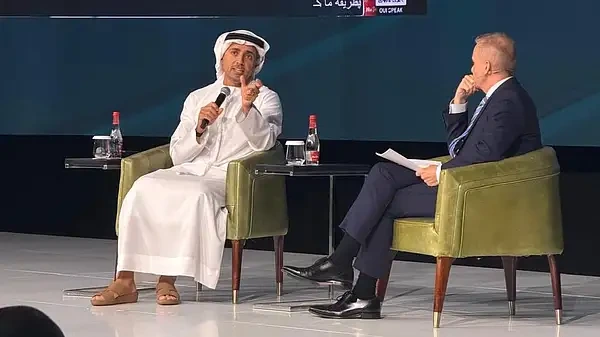
Issam Kazim, CEO of the Dubai Corporation for Tourism and Commerce Marketing (DCTCM), laid out this evolving framework during a recent sector discussion, emphasizing a deliberate pivot away from raw visitor volume. Instead, the emirate is sharpening its focus on attracting high-value travelers who spend more, put down roots, and return regularly. Around 25 per cent of visitors already head back to Dubai within a 12 months window, a repeat rate that underpins the city’s push to convert casual tourists into permanent residents and investors.
Moving away from the traditional playbook of massive advertising campaigns, celebrity endorsements, and social media influencers, DCTCM is leaning into direct engagement. The approach now prioritizes targeted events and personal outreach aimed at high-net-worth individuals, family offices, and international business networks. It is a strategy built on direct word-of-mouth networking, encouraging established international professionals to introduce their peers to the commercial and lifestyle opportunities available locally.
That confidence is already translating into hard metrics across the city’s neighborhoods. Addressing recent regional disruptions, Kazim pointed to the swift return of everyday activity, noting that more than 400,000 new student registrations were processed when schools resumed in September. At the same time, newly opened educational facilities added roughly 17,000 student places to accommodate growing family communities. In the housing sector, nearly 300,000 new Ejari rental contracts reflected steady domestic demand as families and professionals commit to long-term leases across Dubai’s districts.
Meanwhile, private-sector hotel operators have used the recent climate to accelerate infrastructure work. Rather than slowing down, hospitality groups moved quickly to upgrade existing properties and advance new projects, ensuring service standards remain high as the city prepares for future demand.