(Credit - Gulf News)
Strait of Hormuz Reopening Could Come Friday, But Your Fuel Bill Won’t Feel It for Weeks
If you drive, fly, or run a business that moves goods, the Strait of Hormuz reopening expected on Friday, June 19 is welcome news, but don’t expect prices at the pump or on your freight invoice to drop immediately.
Why “Open Again” Doesn’t Mean “Settled Again”
The Strait of Hormuz is the world’s single most critical oil transit chokepoint, funnelling roughly a fifth of global crude supply through a narrow corridor between the Gulf and the Arabian Sea. When it’s disrupted, the damage isn’t just physical, it’s psychological. Traders price in uncertainty, insurers hike war-risk premiums, and tanker operators reroute or delay sailings. All of that takes time to unwind, even after the first vessel clears the strait.
According to Gulf News, analysts warn that even with shipping resuming on Friday, oil markets could remain volatile for up to eight weeks. The reason is structural: crude contracts, cargo hedges, and refinery supply agreements are booked weeks in advance. A backlog of delayed vessels, elevated shipping insurance costs, and cautious routing decisions don’t evaporate the moment a waterway reopens, they work their way through the system gradually.
Before and After: What the Reopening Actually Changes
| Factor | During Disruption | After Reopening (Estimated Timeline) |
|---|---|---|
| Physical oil flows | Halted or severely reduced | Resumes from June 19 |
| Tanker traffic | Rerouted or delayed | Normalises over days to weeks |
| War-risk insurance premiums | Sharply elevated | Gradual decline over weeks |
| Crude benchmark (Brent) volatility | High, risk premium baked in | May persist up to 8 weeks |
| Retail fuel price impact | Upward pressure | Delayed pass-through as inventories reprice |
| Freight and logistics costs | Elevated | Slow unwinding as new cargo rates settle |
Who Feels This in the UAE, and How
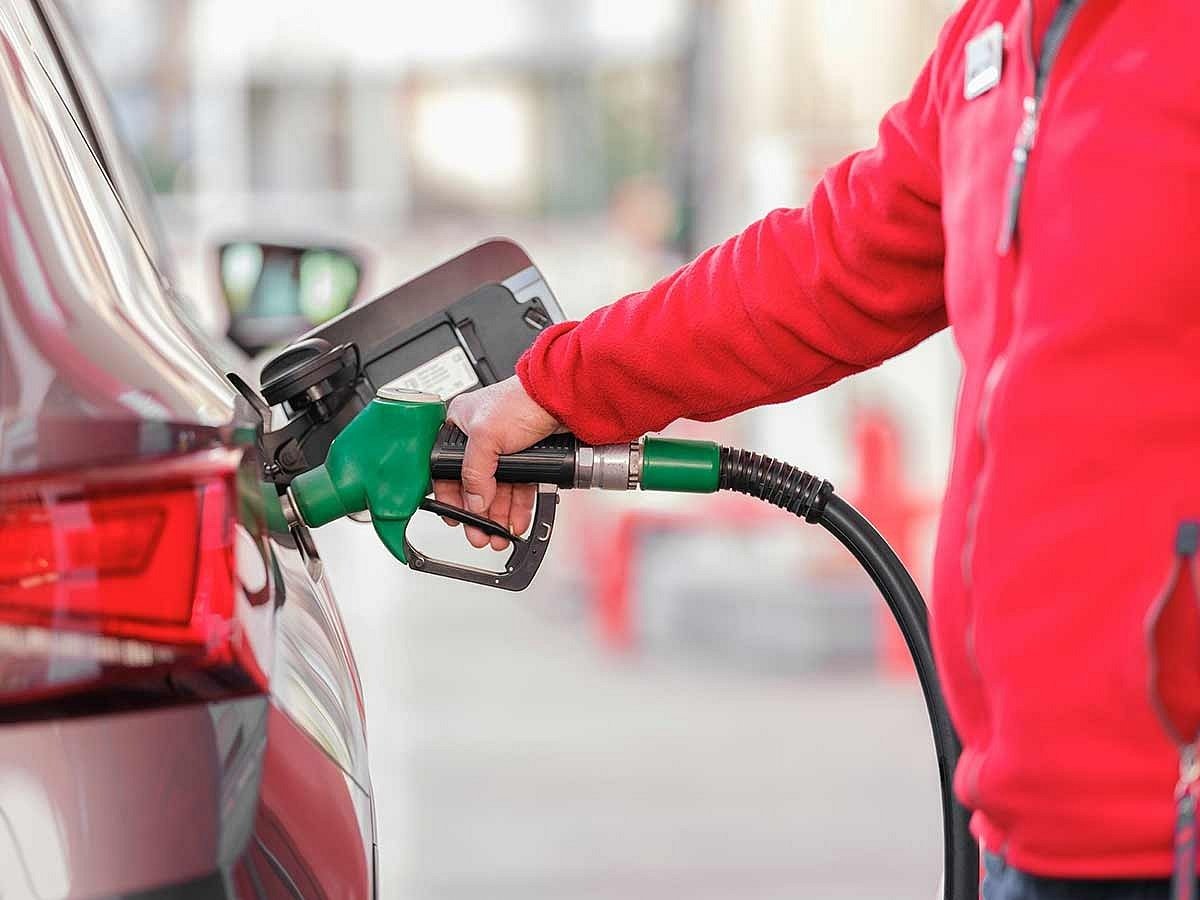
If you’re a daily driver in the UAE, the Ministry of Energy sets monthly fuel prices based on global benchmarks. Even if Brent crude softens after June 19, the repricing cycle means any relief at the pump could be weeks away, and only if benchmark prices actually fall and hold. Watch the monthly fuel price announcement from the UAE Fuel Price Committee for the first real signal.
If you’re in logistics or freight, the more immediate concern is shipping insurance. War-risk premiums added to tanker voyages through the strait don’t disappear on day one of reopening, underwriters typically wait for a sustained period of safe passage before revising rates downward. That cost sits in your supply chain until it doesn’t.
If you’re in aviation, jet fuel procurement is tied to crude benchmarks and forward contracts. Airlines operating out of Dubai International Airport and Abu Dhabi International Airport will be watching the eight-week stabilisation window closely, as fuel hedging decisions made now will lock in costs well into August.
- Reopening date: Friday, June 19, 2026 (expected)
- Price stabilisation window: Up to eight weeks from reopening
- Key cost drivers persisting post-reopening: War-risk insurance, tanker backlog, risk premiums in crude contracts
- Who monitors UAE fuel pricing: UAE Fuel Price Committee (monthly announcement)
The Strait of Hormuz reopening on June 19 ends the physical blockage, but the financial aftershock moves more slowly. Traders, insurers, and logistics operators all need weeks to reset their risk calculations, which means consumers and businesses should plan for elevated costs through at least mid-August. The waterway opening is the start of the recovery, not the end of it.## FAQ