(Credit - The National)
UAE Strait of Hormuz dependency zero: Boosting Energy Security through Eastern Ports Expansion
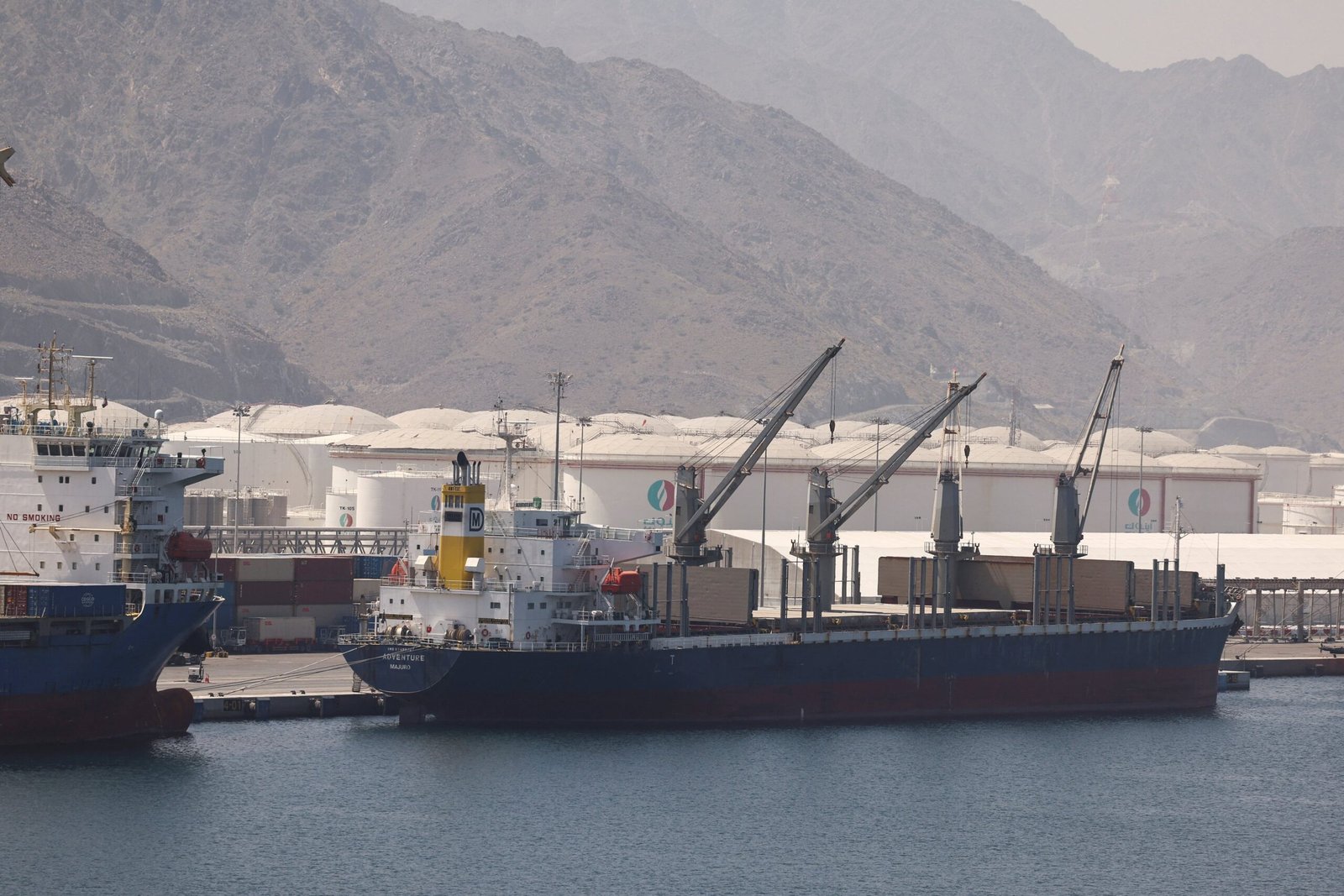
The UAE isn’t just building new ports. It’s positioning for a future where its dependency on the Strait of Hormuz is zero, by expanding key eastern ports and building supporting pipelines and transport links. This strategic move aims to strengthen national logistics resilience and protect trade flows from chokepoint disruption, with a focus on Dibba, Fujairah, and Khor Fakkan.
Driver: Economic Security
The UAE‘s plan to reduce its dependency on the Strait of Hormuz to “zero” is driven by economic security concerns. The Strait of Hormuz is one of the world’s most critical maritime chokepoints, and any disruption can quickly raise shipping insurance costs, delay cargo, and tighten energy supply chains. By shifting more export and import capacity to the UAE’s east coast, outside the Strait, the country reduces exposure to geopolitical risk and improves continuity for fuel exports, container trade, and essential imports.
Driver: Geopolitical Risk
The geopolitical risk associated with the Strait of Hormuz is a significant driver of the UAE’s strategy. The UAE is moving to eliminate reliance on the Strait of Hormuz for critical trade flows by expanding eastern ports in Dibba, Fujairah, and Khor Fakkan, supported by new pipelines and transport networks. This shift in strategy will help the UAE reduce its exposure to potential disruptions in the Strait and strengthen its position as a regional logistics and re-export hub.
Driver: Demographic and Trade Growth
The UAE’s growing population and increasing trade volumes are also driving the need for a more resilient logistics backbone. The expansion of eastern ports and the development of new pipelines and transport networks will help to stabilize supply chains during regional shocks, potentially reducing the severity of price spikes and shortages for imported goods. For shippers, traders, and manufacturers, diversified routing can mean fewer delays, more predictable lead times, and improved competitiveness for UAE-based re-export and distribution operations.
The Ripple Effect: Stakeholder Groups
Residents in the UAE will benefit from a more resilient logistics backbone, which can help stabilize supply chains during regional shocks, potentially reducing the severity of price spikes and shortages for imported goods. The expansion of eastern ports and the development of new pipelines and transport networks will also create new job opportunities and stimulate economic growth in the regions surrounding Dibba, Fujairah, and Khor Fakkan.
Businesses, particularly those involved in shipping, trading, and manufacturing, will also benefit from the UAE’s strategy. Diversified routing can mean fewer delays, more predictable lead times, and improved competitiveness for UAE-based re-export and distribution operations. The expansion of eastern ports and the development of new pipelines and transport networks will also provide businesses with more options for transporting goods and energy, reducing their reliance on the Strait of Hormuz.
The UAE’s logistics sector will also be impacted by the strategy, with the expansion of eastern ports and the development of new pipelines and transport networks expected to increase the sector’s capacity and efficiency. The sector will need to adapt to the changing environment, with a focus on providing more resilient and reliable logistics services to businesses and residents.
The Contrarian View
Some may argue that the UAE’s strategy to reduce its dependency on the Strait of Hormuz to “zero” is overly ambitious, given the significant investment required to expand eastern ports and develop new pipelines and transport networks. However, the potential benefits of the strategy, including reduced exposure to geopolitical risk and improved continuity for fuel exports, container trade, and essential imports, make it a worthwhile investment for the UAE’s long-term economic security and growth.
The UAE’s strategy to reduce its dependency on the Strait of Hormuz to “zero” is a significant move to strengthen its logistics resilience and protect trade flows from chokepoint disruption. With the expansion of eastern ports and the development of new pipelines and transport networks, the UAE is positioning itself for a future where its economy is less vulnerable to geopolitical risk and more competitive in the global market. As the UAE continues to grow and develop, its logistics sector will play an increasingly important role in supporting the country’s economic growth and diversification.