(Credit - The National)
Temporary Shipping Corridor Established in Strait of Hormuz
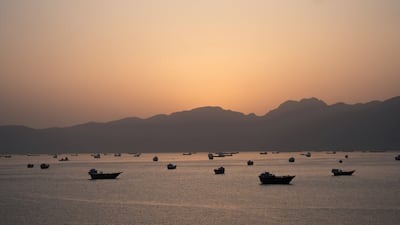
Oman, in coordination with the UN’s International Maritime Organization (IMO), has established a temporary shipping corridor in the Strait of Hormuz to enable safe passage for vessels reported to be stranded. The arrangement, which is fee-free, is linked to efforts to evacuate seafarers and reduce immediate maritime safety risks in the strategic waterway. This move affects shipowners, charterers, and cargo interests, as routing decisions, schedule reliability, and insurance risk assessments can shift quickly when a chokepoint is under stress.
The establishment of this corridor is a significant development, as the Strait of Hormuz is one of the world’s most strategically important maritime chokepoints, linking the Persian Gulf to the Gulf of Oman and the wider Indian Ocean. Even short-lived disruptions can ripple through global energy and freight markets because a significant share of seaborne oil and LNG transits the strait. The temporary corridor is typically used to deconflict traffic, provide a clearly communicated route for merchant vessels, and reduce navigational and security risks during periods of heightened uncertainty.
For seafarers, the situation can become critical when ships are delayed or stranded, as crew welfare can deteriorate quickly due to limited provisions, fatigue, and uncertainty over port access and onward routing. Evacuation or crew-change facilitation becomes a parallel priority to restoring vessel movements. The fee-free arrangement lowers barriers for operators seeking to move ships out of holding patterns or congestion, which is crucial for the immediate safety and well-being of those on board.
The context of this development is closely tied to the strategic importance of the Strait of Hormuz and the potential for disruptions to have far-reaching consequences on global trade and energy markets. As the situation unfolds, shipping advisories, insurer guidance, and updates from maritime authorities and the IMO will be crucial in determining whether the corridor remains temporary, expands in scope, or is replaced by longer-term traffic management measures.
Source: The National