Oil Prices to Trade Around $80, Hormuz Toll Not a Factor
The strategic intent behind Standard Chartered‘s latest forecast is clear: despite rising tensions and shipping disruptions around the Strait of Hormuz, oil prices are expected to remain steady, trading around $80. This call is significant because it suggests that the potential “Hormuz toll” – a fee that could be imposed on tankers passing through the strait – is not a key factor in the bank’s pricing view. Instead, Standard Chartered’s outlook is driven by a more nuanced assessment of global energy markets, one that takes into account a range of factors beyond just regional security risks.
The drivers behind this forecast are largely economic and geopolitical. On the one hand, the ongoing tensions between the US and Iran have raised concerns about the stability of the region and the potential for disruptions to oil supplies. On the other hand, the global economy is still growing, albeit at a slower pace, and this is supporting demand for oil. Standard Chartered’s forecast suggests that these competing forces will balance each other out, keeping oil prices steady in the near term.
The ripple effect of this forecast will be felt by a range of stakeholders, including oil producers, consumers, and investors. For oil producers, a steady price environment will provide a degree of certainty and stability, allowing them to plan and invest with more confidence. For consumers, the forecast suggests that they will not see a significant increase in fuel prices, at least in the near term. And for investors, the outlook provides a basis for making informed decisions about investments in the energy sector.
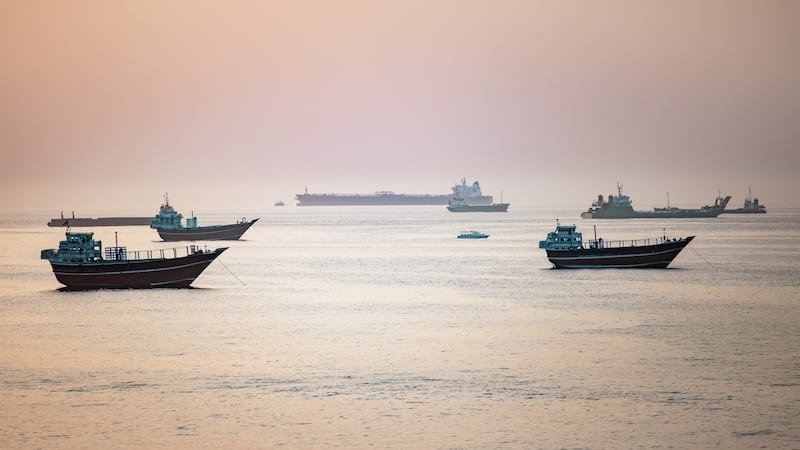
One group that will be particularly interested in this forecast is the shipping industry, which has been affected by the tensions in the Strait of Hormuz. The potential “Hormuz toll” has been a major concern for shipping companies, which have been seeking ways to mitigate the risks and costs associated with passing through the strait. Standard Chartered’s forecast suggests that this toll may not be as significant a factor as previously thought, which could provide some relief to the industry.
The contrarian view to this forecast is that the tensions in the Strait of Hormuz are more significant than Standard Chartered suggests, and that the potential “Hormuz toll” could have a major impact on oil prices. Some analysts argue that the risks to oil supplies are higher than the bank’s forecast suggests, and that prices could rise significantly if there are further disruptions to shipping in the region. However, this view is not universally held, and the majority of analysts appear to agree with Standard Chartered’s assessment that the tensions in the Strait of Hormuz will not have a major impact on oil prices.