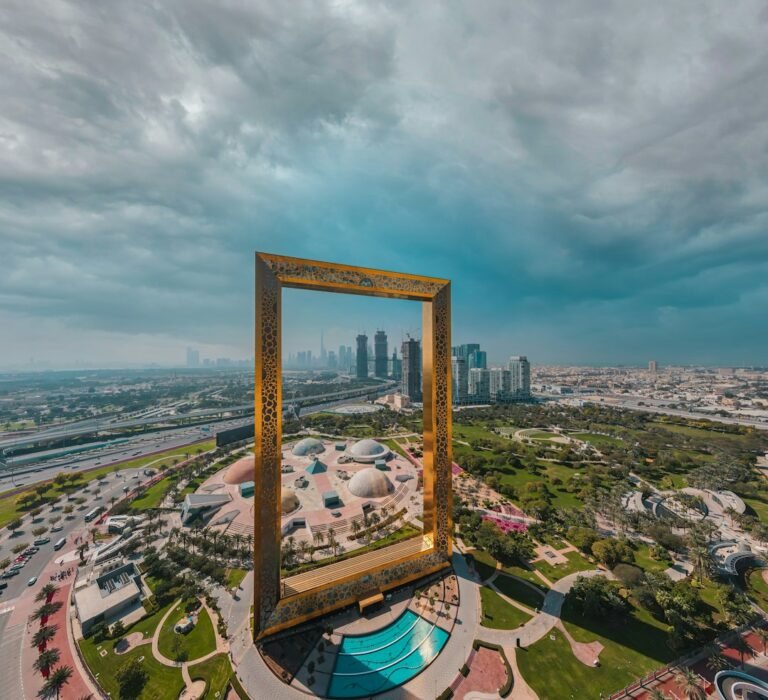
(Credit - WAM)
UAE Career Counselling Programme Supports 60,000 Emiratis
In Dubai, the Ministry of Human Resources and Emiratisation (MoHRE) has announced that over 60,000 UAE citizens, including job seekers and private-sector employees, have benefited from its career counselling programme. Additionally, more than 3,000 private companies have also benefited from the programme, which aims to enhance private sector establishments’ ability to attract and retain national talents.
The programme offers individual and group career counselling sessions focused on developing personal and professional skills, mapping career paths, and enhancing job stability. It also addresses topics such as time and stress management, and integrating and adapting to the work environment. The goal is to improve Emiratis’ chances of securing jobs that match their academic qualifications while supporting long-term career development and promoting job stability.
The career counselling programme forms part of MoHRE‘s strategy to provide a comprehensive system to support Emirati citizens through various stages of their careers and strengthen their participation in the labour market. Farida Al Ali, Assistant Undersecretary of National Talents at MoHRE, stated that the programme is part of the ministry’s strategy to provide an integrated support system for Emiratis throughout their professional journey. The initiative aligns with the UAE’s objectives of building a competitive national workforce capable of contributing to sustainable economic development and advancing the country’s strategy for attracting and retaining talent.
The programme has been successful in equipping participants with skills that meet the changing demands of the labour market, including interview preparation, career planning, and identifying suitable employment opportunities. The sessions are held at dedicated training facilities under the supervision of experts and specialists, with programmes designed around labour market research and evolving workforce requirements. Compliant companies will continue to enjoy various forms of support, including financial discounts of up to 80% on MoHRE service fees and priority status in the government procurement system.
The MoHRE career counselling programme is a key component of the UAE’s Emiratisation strategy, which aims to increase the number of Emiratis in the private sector. The programme’s success is a significant step towards achieving this goal, and it is expected to have a positive impact on the UAE’s labour market. As the UAE continues to grow and develop, the importance of programmes like the MoHRE career counselling programme will only continue to increase.
The UAE’s Emiratisation targets apply to companies with 50 or more employees, and the MoHRE career counselling programme is an essential tool for these companies to attract and retain national talent. The programme’s benefits extend beyond the individual participants, as it also supports the growth and development of the UAE’s private sector. As the programme continues to expand and evolve, it is likely to play an increasingly important role in shaping the UAE’s labour market and supporting the country’s economic development.
In the context of the UAE’s broader economic strategy, the MoHRE career counselling programme is a vital initiative that supports the country’s goals of diversification and sustainable development. By providing Emiratis with the skills and training they need to succeed in the private sector, the programme is helping to drive economic growth and reduce the country’s reliance on foreign labour. As the UAE continues to move forward with its economic development plans, the MoHRE career counselling programme is likely to remain a key component of the country’s strategy for building a competitive and sustainable economy.
Trump scraps Hormuz levy
Trump Drops Hormuz Fee Plan
U.S. President Donald Trump has abandoned his proposed 20 per cent charge on cargo moving through the Strait of Hormuz, replacing it with planned trade and investment agreements with Gulf states while keeping a naval blockade on Iran in force. Vessels using the strategic waterway will no longer face the previously announced "reimbursement fee", a move that had triggered objections over its legality and potential inflationary impact.
The reversal came a day after Trump initially announced the fee, which was met with concerns from various parties. The U.S. will instead focus on strengthening trade ties with Gulf states, aiming to bolster regional economic cooperation while maintaining pressure on Iran through the naval blockade.
The naval blockade on Iran remains in force, restricting Iran-linked vessels and maintaining a significant U.S. military presence in the region. This development is likely to have implications for global oil prices and shipping insurance rates, as the risk of conflict and disruptions in the Strait of Hormuz continues to affect the maritime industry.
This move follows a series of tensions between the U.S. and Iran, with the Strait of Hormuz being a critical waterway for international oil trade. The decision to scrap the proposed levy and maintain the naval blockade reflects the ongoing complexities of the U.S.-Iran relationship and its impact on global trade and security.
US strikes on Iran escalate conflict
US Launches New Strikes on Iran
The US military launched new strikes against Iran early Wednesday, hours after three merchant ships were struck in the Strait of Hormuz. You're witnessing the escalation of the conflict between the US and Iran, which threatens to disrupt global oil shipping and puts the interim deal to end the fighting between the two countries at risk. The US official stated that the strikes were a response to Iran's unacceptable actions in the strait, which needed to be met with consequences.
The Iranian Foreign Ministry condemned the US move, saying it violates the interim deal and that the US government bears responsibility for the consequences of this breach of commitment. The attacks on the merchant ships were the most in a single day since late April, according to the UN International Maritime Organization, and risk choking off the flow of traffic in the strait.
The US hit 140 Iranian military sites, including drone sites, ammunition storage, and surveillance locations, in the third round of strikes this week, with over 300 targets hit. Iran retaliated with more attacks on US bases in the Gulf, including in Jordan. The UAE's Ministry of Defense reported dealing with missile and drone attacks originating from Iran, with Iran launching 15 missiles at the UAE on Monday.
The conflict between the US and Iran has been escalating, with the US beginning a new military operation, dubbed Project Freedom, to guide commercial ships through the Strait of Hormuz in defiance of Iranian threats. The situation remains volatile, with gas prices in the US rising amid the conflict.
The US and Iran have been engaged in a standoff over the Strait of Hormuz, a critical global oil-shipping chokepoint, with the UN Secretary-General António Guterres calling for restraint and de-escalation. The US Central Command has been involved in the strikes, with the Iranian paramilitary Revolutionary Guard responding with attacks of its own.

UK Teen Social Media Curfew
UK Weighs Social Media Curfews for Teens
The UK is embracing the concept of social media curfews for teenagers, signaling growing support for restricting minors' access to platforms at certain hours. This move is part of a wider push to address online harms affecting young people. As of July 16, 2026, policymakers and stakeholders are considering the implementation of such curfews to improve teen safety and wellbeing.
The proposed curfews aim to reduce the risks associated with late-night social media use, which has been linked to various concerns, including sleep deprivation, cyberbullying, and exposure to harmful content. By restricting access to social media during certain hours, the UK hopes to mitigate these risks and promote healthier online habits among teenagers.
Teenagers and their parents are likely to be affected by the proposed curfews. Teenagers may need to adjust their social media habits and find alternative ways to spend their time during the restricted hours. Parents, on the other hand, may need to monitor their children's social media use and ensure they comply with the curfews.
To comply with the proposed curfews, teenagers and their parents can take several steps:
- Familiarize themselves with the proposed curfew rules and regulations.
- Adjust their social media habits to avoid using platforms during restricted hours.
- Explore alternative activities and hobbies to fill the time previously spent on social media.
- Monitor and enforce compliance with the curfews to ensure a safe and healthy online environment.

Unai Simón six clean sheets breaks record
Spain's Unai Simón Breaks 96-Year World Cup Record
Unai Simón, Spain's goalkeeper, has broken a 96-year World Cup record by achieving six clean sheets in the tournament. This milestone was reached as Spain defeated France 2-0 in the semi-final, with goals from Mikel Oyarzabal and Pedro Porro, sending them into their first World Cup final since 2010.
Simón's performance was crucial in the semi-final, where he made a key play by beating France's Kylian Mbappé to a loose ball and then smothering a rebound chance from Désiré Doué. This play exemplified his determination and skill throughout the tournament, which has been a significant factor in Spain's success.
The record-breaking six clean sheets surpass the previous record, with Simón's team now having gone over 650 minutes without conceding a goal, exceeding Walter Zenga's 1990 mark.
This achievement connects to Spain's overall strong defensive performance in the tournament, which has been a key factor in their progression to the final. As Spain prepares for the final, Simón's record and the team's defensive solidity will be crucial in their bid for the World Cup title.

Mashreq digital account for visitors now available
Mashreq Introduces Digital Account for UAE Visitors
In Dubai, a new development is making it easier for visitors to manage their finances. Mashreq, a major Emirati bank, has introduced a digital banking account option aimed at UAE visitors. This move is part of the country's broader shift toward cashless, app-led banking, with tourists increasingly using digital wallets and upgraded ATM-style service channels.
The introduction of this digital account is tied to Mashreq NEO's expansion, the bank's digital platform that provides a range of online banking services. With this new account, visitors can enjoy a simpler, more intuitive banking experience, using AI technology and big data to facilitate transactions. The Mashreq NEO app offers functionalities such as account transactions, bill payments, reward tracking, and financial news updates, making it easier for visitors to manage their finances while in the UAE.
As part of its push for more self-service banking, Mashreq is also upgrading its branch network, focusing on advisory services that encourage greater human interaction between employees and customers. For everyday transactions, the bank's use of state-of-the-art technology enables customers to benefit from a wide range of self-service facilities. This shift is expected to make banking much quicker, easier, and more accessible across the entire network.
The introduction of this digital account for visitors is a significant development in the UAE's banking sector, as it caters to the growing demand for cashless, app-led banking among tourists. With Mashreq leading the way in encouraging the adoption of digital banking in the UAE and across the region, this move is expected to have a positive impact on the country's financial environment.
In the context of the UAE's broader strategy to promote digital banking and cashless transactions, Mashreq's introduction of a digital account for visitors is a welcome development. As the country continues to invest in digital infrastructure and innovative banking solutions, visitors can expect a more seamless and convenient banking experience.