Hormuz Ship Attack Raises Tensions
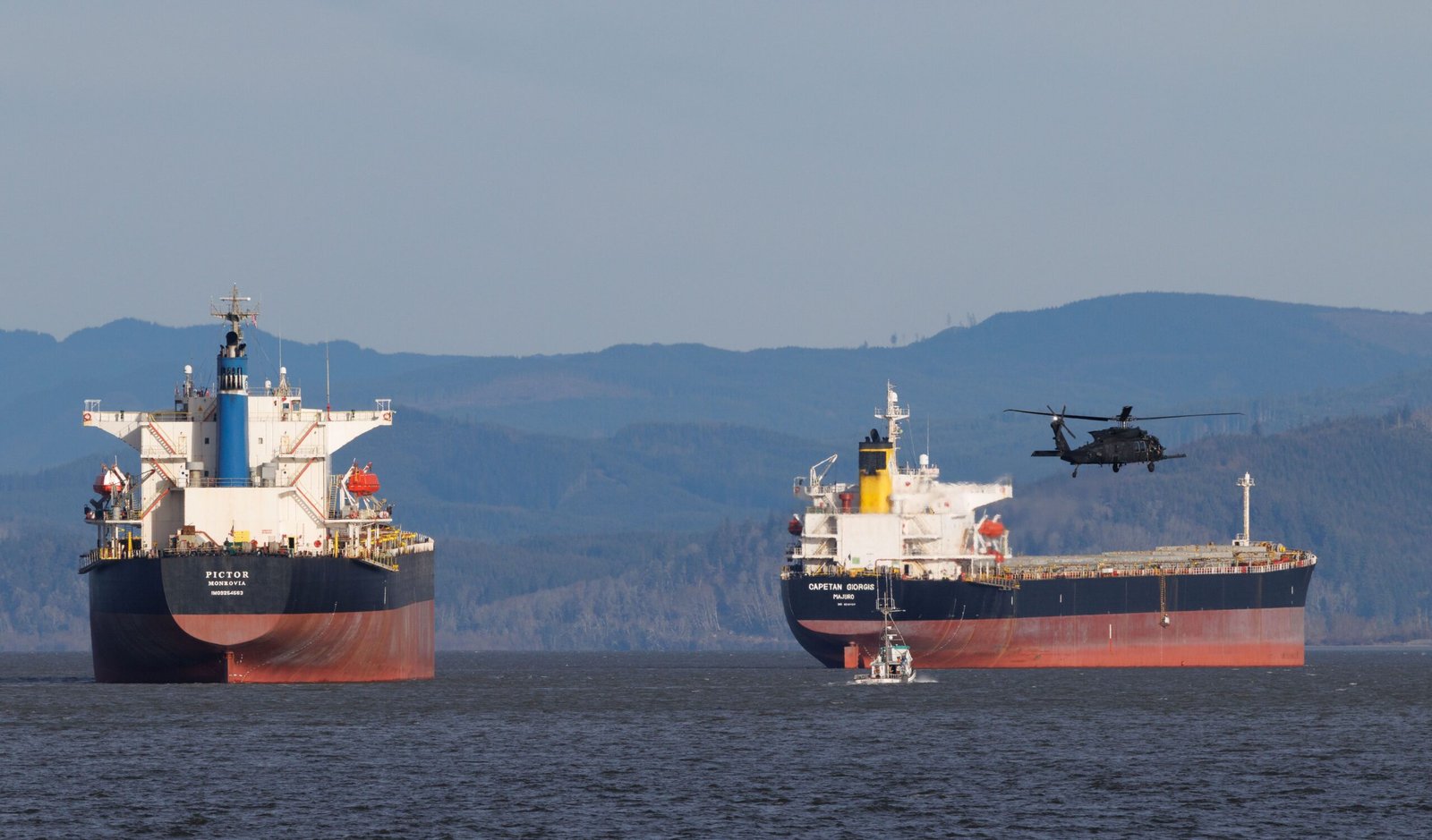
A cargo vessel was struck by an unknown projectile near the Strait of Hormuz off Oman’s coast, the United Kingdom Maritime Trade Operations (UKMTO) agency reported on Tuesday. This incident occurred amidst conflicting signals from the US and Iran over the status of talks to end their five-month-old war, boosting uncertainty and highlighting risks to global energy flows. Shipping activity in the Gulf has been significantly impacted, with only six vessels transiting the strait on Monday, down from seven the previous day, according to Kpler data.
The attack on the vessel and the rebound in oil prices on Tuesday highlightd doubts that the US-Iran war was nearing a resolution. Oil prices rose nearly 3% after a steep selloff in the previous session as investors reassessed optimism over diplomacy. Maritime sources told Reuters that the vessel struck near Hormuz was a dry bulk ship, and its crew had to abandon the vessel, with one seafarer missing.
US President Donald Trump said on Monday that talks with Tehran were under way and Iran faced a “last chance” to reach a deal, while Iranian officials insisted no negotiations with the United States were taking place. Trump stated that discussions were taking place at the request of Iran, Saudi Arabia, the United Arab Emirates, and Qatar. However, Iran says its only talks are with Oman about the Strait of Hormuz, and no major meetings are planned this week.
The situation in the Strait of Hormuz remains volatile, with the latest attack on shipping highlighting the ongoing threats to global energy flows. The incident has raised concerns over the safety of maritime shipping lanes and the potential impact on global energy supply. As the US-Iran talks remain uncertain, the international community is closely watching the developments in the region.
This latest incident is a reminder of the ongoing conflict in the region, which has been affecting global energy flows for months. The Strait of Hormuz is a vital route for international maritime shipping, with over 100 ships typically transiting the strait per day in peacetime. The current situation has led to a significant decrease in shipping activity, with only a fraction of the usual number of vessels transiting the strait.
The UKMTO maritime security agency has warned of the risks to shipping in the region, and the latest incident has highlightd the need for increased vigilance and cooperation to ensure the safety of maritime shipping lanes. As the situation continues to evolve, the international community will be closely monitoring the developments in the region and the impact on global energy flows.
In relation to previous events, the current situation in the Strait of Hormuz is a continuation of the ongoing tensions between the US and Iran, which have been escalating since the start of the year. The conflict has had a significant impact on global energy markets, with oil prices fluctuating in response to the latest developments.