Trump Limits US Birthright Citizenship Despite Supreme Court Ruling
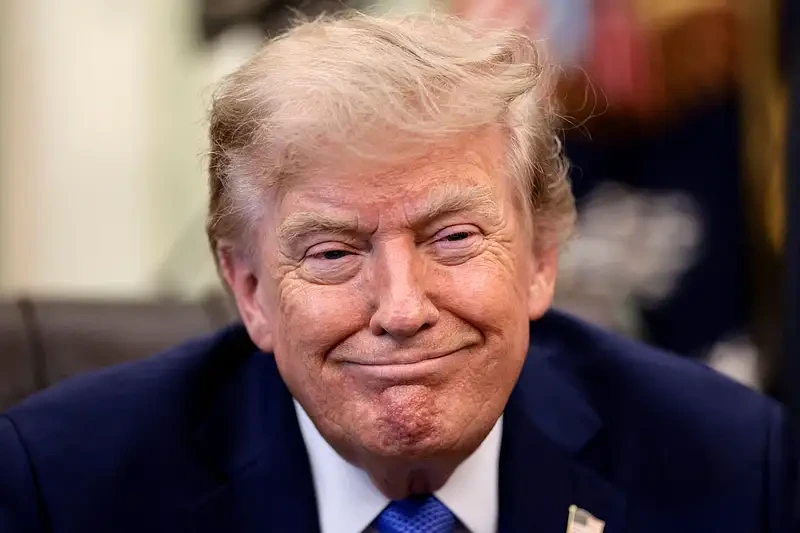
US President Donald Trump signed two executive orders on August 6, 2026, in a bid to limit US birthright citizenship, despite a prior Supreme Court ruling rejecting his earlier attempt. The new orders target the practice of “birth tourism,” where pregnant foreigners travel to the US to give birth, and also limit the rights of children born to foreign government employees in the US. According to White House aide Stephen Miller, “the practice of birth tourism is, as of the signing of this order, hereby banned.”
The Center for Immigration Studies estimates that between 20,000 and 25,000 mothers came to the US for birth tourism in a year-long period between 2016 and 2017. The executive orders could also affect people born in US territories, should Congress enact a proposed law to end automatic citizenship there. Immigrant advocates have called the move an attempt to evade the Supreme Court’s decision, with the ACLU predicting it is doomed to fail in court.
The Supreme Court had previously struck down Trump’s earlier executive order, which targeted a wide swath of immigrants in the country illegally or temporarily. Trump’s new orders are likely to face legal challenges, with legal experts saying it is unclear what effect the executive orders might have given the Supreme Court ruling. Deborah Fleischaker, a former Biden administration official, said, “Today’s executive orders are nothing more than an attempt to get around that ruling.”
The move is part of Trump’s crackdown on immigration, with the White House taking particular aim at birth tourism. Trump called the Supreme Court’s 6-3 ruling on June 30 a “very unfortunate decision,” decrying that “people are building businesses around” birth tourism. The executive orders have sparked immediate backlash, with immigrant advocates calling for the government to establish guidelines honoring the Supreme Court ruling.
This development comes after the Supreme Court’s June 30 ruling, which rejected Trump’s earlier attempt to limit birthright citizenship. The new executive orders are a narrower attempt to curtail birthright citizenship, but are still likely to face significant legal challenges.