Drivers face 20-litre caps as fuel stations shut across Tehran
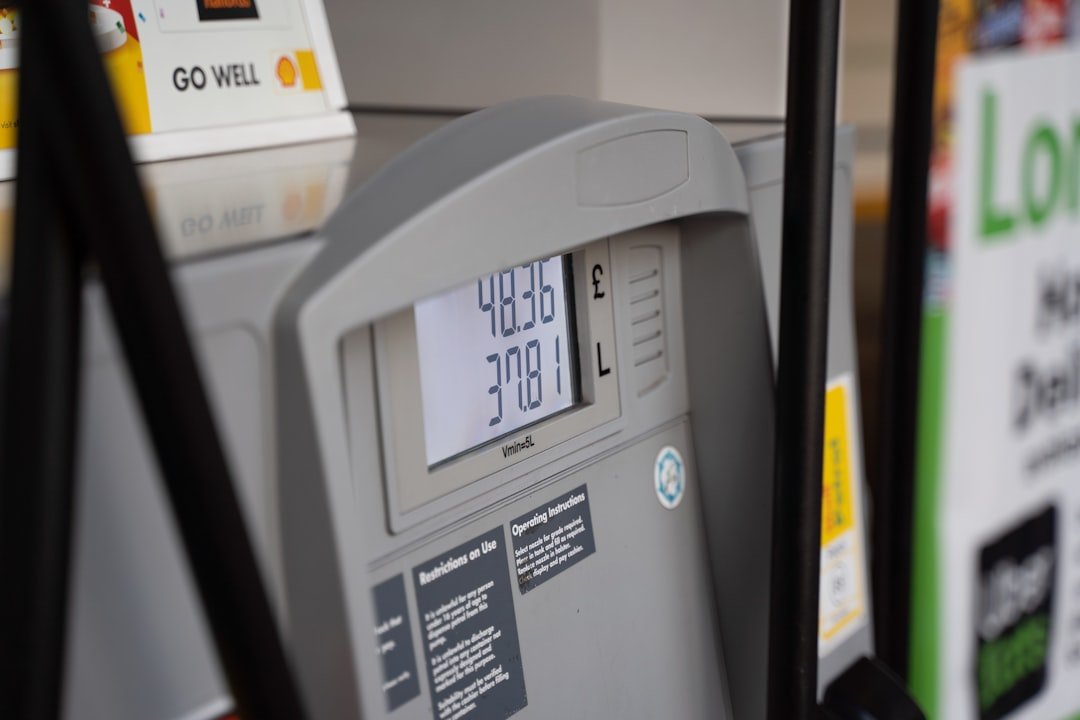
Fuel stations across Tehran and major Iranian cities shut down or capped sales this week as a daily supply shortfall of up to 15 million litres crippled local distribution networks. Motorists in Tehran, Karaj, Mashhad, and Kerman waited in lines extending past two hours or drove between multiple empty stations as operating outlets limited individual purchases to 20 litres per vehicle.
Damaged refineries and naval blockade push daily fuel deficit to 15 million litres
Stations in Tehran districts including Pasdaran, Mirdamad, Shariati Park, Damavand, Mirza-ye Shirazi, and Dolat ran dry or imposed 20-litre fill caps per vehicle as drivers queued around city blocks. Iran’s Energy Optimisation Organisation confirmed the country faces a daily deficit of 14 to 15 million litres against national demand of roughly 135 million litres. Officials linked the gap to record domestic consumption, infrastructure damage to refineries and storage sites from strikes during the conflict that began in February, and an ongoing US naval blockade in place since mid-July that restricts petrol imports.
Mohsen Haji-Mirzaei, chief of staff to President Masoud Pezeshkian, stated that government fuel quotas will be cut while the subsidised base price remains unchanged, leaving excess purchases subject to higher tariffs. Officials at the National Iranian Oil Products Distribution Company attributed the supply bottlenecks to delivery delays, heavy traffic, war-damaged urban infrastructure, and panic buying. Pressure on the market intensified following an announcement by US Treasury Secretary Scott Bessent regarding expanded secondary sanctions targeting Iran‘s economy.
The current distribution crisis follows earlier strikes on Iranian refining and processing infrastructure during the conflict that began in February 2026, which severely damaged the nation’s capacity to refine crude oil for domestic use.