Dropped Visa Thresholds Shift Buyer Focus Across Dubai Neighborhoods
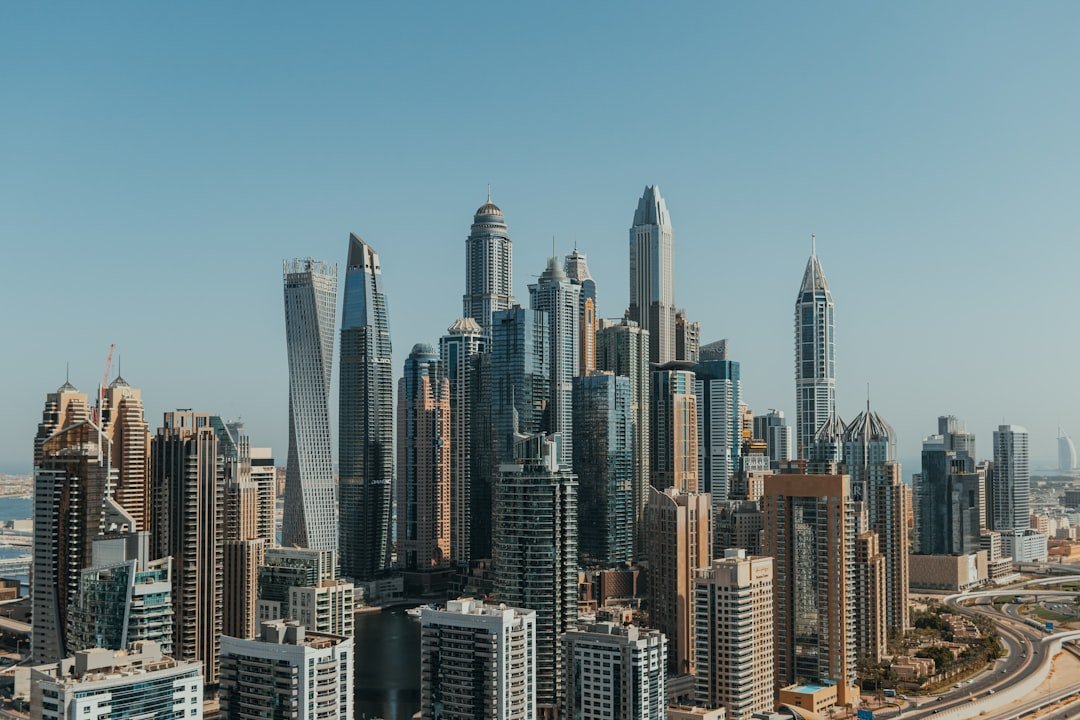
Dubai’s residential areas are entering the second half of 2026 with localized price dynamics, as individual communities respond to their own supply and demand balances rather than following a single citywide trend. Buyers looking across prime and mid-prime neighborhood clusters are finding clearer access to larger homes as price growth moderates from earlier peaks.
More Options for End-Users and Upgrading Investors
Policy changes are altering how residents and buyers approach property decisions. The removal of the minimum property value requirement for the Property Visa, alongside the introduction of the First-Time Home Buyer Programme, has expanded access for end-users who previously paused their searches during periods of rapid price spikes. At the same time, real estate investors are diversifying away from studio units and smaller apartments, directing capital toward larger properties that offer stronger rental yields and long-term capital appreciation.
Trading activity reflects a more cautious, highly selective environment. Morgan’s International Realty notes that while buying activity has moderated, overall transaction volumes remain above long-term historical averages. That momentum follows a strong first half of the year, where property sales hit Dh286 billion and developers delivered 24,800 new homes across the emirate.
According to Cushman & Wakefield Core, the defining factors for the remainder of the year will be how quickly newly delivered supply is absorbed and how occupier behavior evolves. These metrics will clarify whether current price moderations stabilize or lead to a softer market. Equity founder and CEO Emrah Yar confirmed that sustained population growth and international buyer interest are expected to keep transaction volumes healthy across both mainstream and luxury residential segments through the rest of 2026.