European Supermarket Fridges Targeted by Hackers Raising Temps to 150°C
Commercial cooling systems across at least half a dozen European nations were thrown into crisis this week when cyberattacks remotely hijacked digital thermostats, driving temperatures up and destroying millions of dollars worth of inventory. Supermarkets and independent retailers in Sweden, Belgium, Luxembourg, Ireland, Italy, Estonia, and Greece saw freezers and fridges turned into heaters overnight.
The breaches stem from connected temperature control hardware that allows store managers to track cooling 24 hours a day, cut energy bills, and receive automated alerts before food spoils. However, attackers exploited internet-exposed hardware running discontinued firmware rather than sophisticated code to take control.
How Legacy Systems Exposed Store Cooling Operations
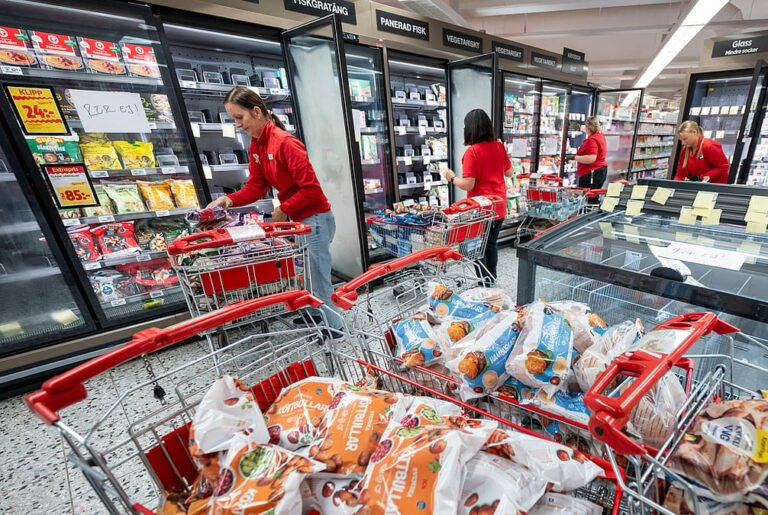
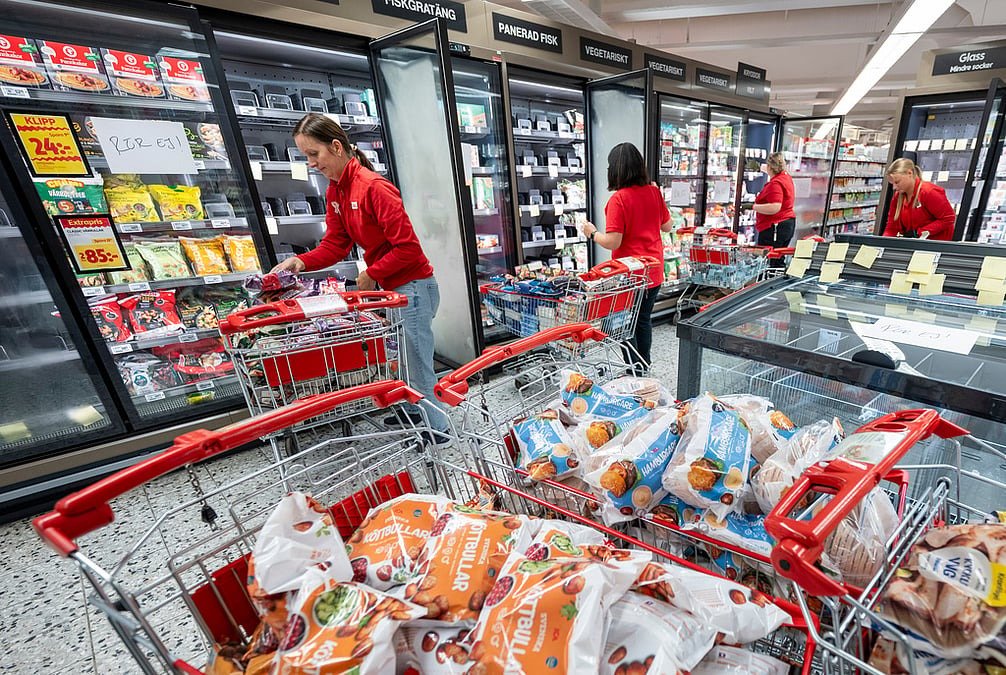
The breaches hit both multi-national grocery chains and independent high-street businesses. In Sjöbo, Sweden, staff at an ICA Kvantum store were forced to shovel frozen stock into carts to discard after overnight hacking set units to 50 degrees Celsius. In the Kifisia suburb of Athens, butcher shop owner George Boubas reported that hackers breached his shop’s temperature unit and cranked it to 150 degrees Celsius, forcing staff to disconnect the refrigeration system’s Wi-Fi access entirely to regain control.
Hardware manufacturers Danfoss and Copeland identified vulnerabilities in older remote control modules and discontinued controllers that no longer receive software or security updates. Katerina Mitrokotsa, a cybersecurity professor at the University of St. Gallen, emphasized that businesses routinely fail to treat connected physical infrastructure as IT entry points. “A fridge doesn’t look like a security risk, and that’s exactly why attackers like it,” Mitrokotsa noted.
Darktrace senior vice president Nicole Carignan confirmed the intruders bypassed defensive systems by leveraging exposed hardware running default credentials and outdated firmware. “Nobody broke into these refrigeration systems with a zero-day,” Carignan stated. UK cyber minister Liz Lloyd similarly warned that the attacks are a direct consequence of weak passwords and known unpatched flaws in legacy hardware.