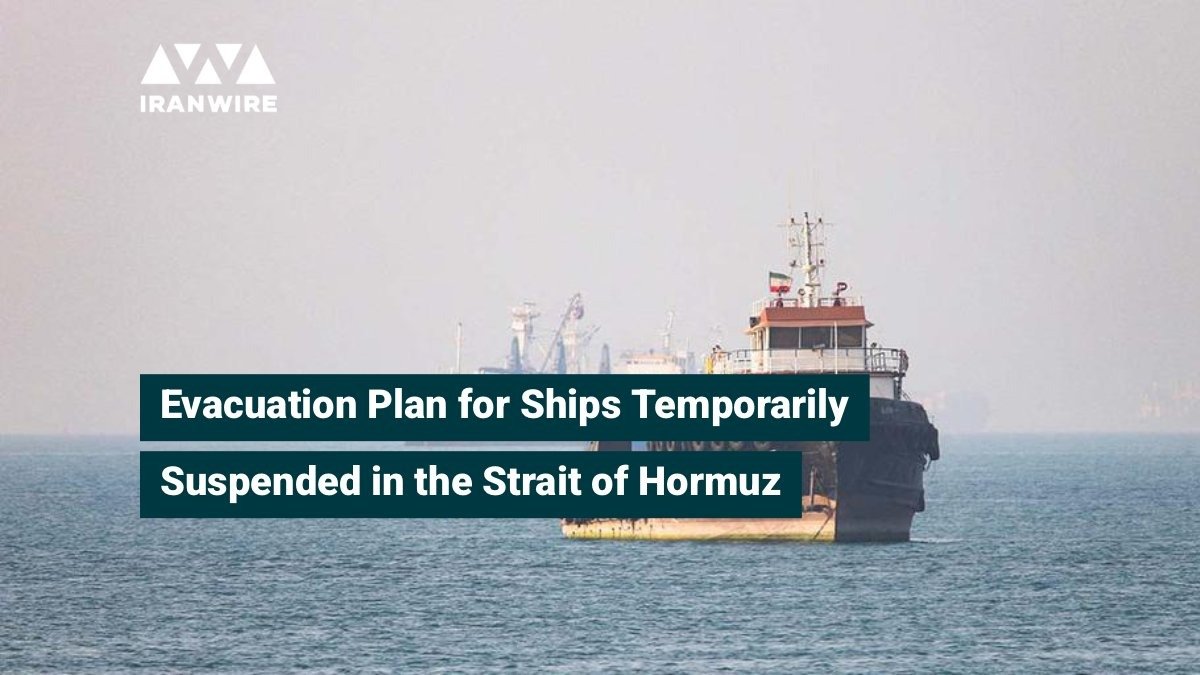
IMO Halts Strait of Hormuz Evacuation Plan After Drone Attack
The International Maritime Organization (IMO) has suspended its vessel evacuation plan for ships transiting the Strait of Hormuz following a drone attack on a cargo ship. The move affects ships operating in the corridor, particularly those carrying oil and LNG exports.
This decision by the IMO highlights the heightened security risks in one of the world’s most critical oil-shipping chokepoints, and it is likely to have significant implications for shipowners, charterers, and insurers. The suspension of the evacuation plan means that ships will need to take alternative measures to ensure navigational safety, which may include tighter onboard security procedures and coordination with regional naval forces.
Ships transiting the Strait of Hormuz will need to be prepared for increased scrutiny and potential delays, as the IMO’s decision is aimed at reducing collision risk and managing traffic flow during acute security incidents. The incident is also likely to heighten risk assessments by shipowners and insurers, potentially increasing war-risk premiums and altering routing decisions.
The Strait of Hormuz is a narrow maritime chokepoint linking the Persian Gulf to the Gulf of Oman and the Arabian Sea, and it is among the world’s most strategically sensitive shipping lanes. An IMO evacuation plan is an emergency safety measure designed to reduce collision risk and manage traffic flow during acute security incidents.
The International Maritime Organization made this decision, citing navigational safety concerns after the drone attack on a cargo ship establishing that its evacuation plan for ships transiting the Strait of Hormuz will remain suspended until seafarer safety can be assured, after a vessel was attacked in the waterway.

Mohamed Salah injury rocks Egypt
Salah Injury Throws Egypt's World Cup Hopes into Doubt
Mohamed Salah suffered a left knee injury during Egypt's World Cup 2026 match against Iran, forcing him off the field and raising concerns over his availability for the knockout stage. Egypt coach Hossam Hassan confirmed that Salah is being assessed and will undergo further examinations as the team advances to the last 32.
The injury to Salah, a key player for Egypt, adds to the team's fitness concerns ahead of the knockout stage. With the tournament's tight schedule, even minor knee sprains can significantly impact a team's strategy and performance. Egypt's planning for the next match will now hinge on the severity of Salah's injury, with medical assessments and day-to-day evaluations determining his potential return to the field.
The injury's impact on Egypt's daily training and match preparation will be significant, as the team must adapt their tactics and lineup in case Salah is unable to play. This may involve adjusting their pressing intensity, transition speed, and set-piece roles, as well as altering their squad rotation and substitution strategy.
Egypt's progress in the World Cup 2026 has been closely watched, and this injury raises questions about their chances of advancing further in the tournament. As the team prepares for the last 32, they will need to carefully manage Salah's injury and adjust their strategy accordingly.

Venezuela Twin Earthquakes: Baby Rescued
Miracle Rescue in Venezuela: Baby Pulled Alive from Rubble 32 Hours After Twin Earthquakes
An 18-day-old baby was pulled alive from rubble 32 hours after twin earthquakes hit Venezuela. The baby's mother was also rescued shortly after, according to reports. The rescue operation took place in La Guaira, Venezuela, where search-and-rescue teams continued operations after quake-related building collapse trapped survivors.
The rescue of the 18-day-old baby is a remarkable example of the critical work of search-and-rescue teams in the aftermath of natural disasters. The fact that the baby was rescued alive 32 hours after the earthquakes struck highlights the importance of rapid and thorough search efforts.
Rescue teams typically use listening devices, canine teams, and careful debris removal to avoid destabilizing void spaces and locate survivors. In the case of infant rescues, rapid triage for dehydration, hypothermia, crush injuries, and respiratory distress is often required.
The rescue of the baby and its mother reflects the dedication and expertise of the search-and-rescue teams in La Guaira. As the region continues to respond to the aftermath of the twin earthquakes, the rescue serves as a reminder of the critical importance of search-and-rescue operations in saving lives.

Venezuela earthquakes June 24: UN estimates 6.76 million affected
Venezuela Earthquakes: UN Estimates 6.76 Million Affected, Death Toll Rises
The United Nations estimates that up to 6.76 million people could be affected by the June 24 earthquakes in Venezuela, as rescue operations continue across impacted areas. The people affected include those injured, displaced, cut off from services, or living in areas with damaged infrastructure.
The reported death toll has surpassed 1,400, underscoring the scale of humanitarian needs and infrastructure damage. Rescue efforts are still ongoing, with the first days focusing on search-and-rescue and trauma care, followed by rapid damage assessments, restoring power, water, and communications, and setting up temporary shelters.
A specific, concrete change to the daily routine of those affected is the need to access temporary shelters and aid distribution points, as many have been displaced from their homes. The full extent of the damage and the needs of the affected population are still being assessed, but it is clear that the impact will be significant and long-lasting.
The United Nations and the International Organization for Migration (IOM) said they are coordinating the emergency response to deliver aid to communities impacted by the June 24, 2026 earthquakes and described by humanitarian agencies as the strongest to hit Venezuela in more than a century.

UAE Petrol Prices May Fall in July 2026
Petrol Prices in UAE Could Finally Ease in July
If you're one of the many UAE motorists who've been feeling the pinch of rising petrol prices, there's a glimmer of hope on the horizon. After several months of increases, forecasts suggest that UAE petrol prices could stabilize or even decrease in July, thanks to shifts in global oil markets.
The UAE Fuel Price Committee is responsible for setting the monthly petrol prices, and while they haven't made an official announcement yet, forecasts point to a possible dip in prices. This would be a welcome relief for motorists who've been dealing with rising fuel costs since March. The key factor driving this potential change is the easing of global oil market movements and refined fuel costs, which have shown signs of stabilizing after months of upward pressure.
For UAE motorists, a decrease in petrol prices would mean a reduction in weekly commute costs. This could have a significant impact on household budgets, especially for those who rely heavily on their vehicles for daily transportation. Additionally, a decrease in petrol prices could also affect ride-hailing and taxi operating expenses, as well as delivery and logistics pricing, which can feed into broader consumer prices.
The official confirmation of the July petrol prices will come at the end of June, when the UAE Fuel Price Committee makes its monthly price announcement. Until then, any July figures remain forecasts. However, if prices do dip, it could have a significant impact on various industries, including fleet operators, last-mile delivery, and any business with high road mileage.
In terms of what this could mean for your weekly commute costs, a decrease in petrol prices would likely result in lower fuel expenses. This could be especially beneficial for those who have to travel long distances for work or other activities. Furthermore, a decrease in petrol prices could also lead to lower transportation costs for businesses, which could potentially lead to lower prices for consumers.
To give you a better idea of how this could affect your weekly spend, let's consider an example. If you drive a vehicle that consumes an average of 15 liters of petrol per week, and the current price of petrol is AED 2.50 per liter, your weekly fuel expenses would be AED 37.50. If the price of petrol were to decrease by 10% to AED 2.25 per liter, your weekly fuel expenses would decrease to AED 33.75, resulting in a weekly saving of AED 3.75.
Here's a breakdown of the potential impact on different groups:
For motorists, a decrease in petrol prices would mean lower fuel expenses and potentially lower transportation costs.
For businesses, a decrease in petrol prices could lead to lower transportation costs, which could potentially lead to lower prices for consumers.
For the economy as a whole, a decrease in petrol prices could have a positive impact on inflation and consumer spending.
Global oil prices have fallen significantly in late June 2026, raising expectations that current UAE June pump prices could drop in July after four months of increases.
UAE petrol prices for July 2026 are set to be announced next week, following a sharp drop in global oil prices after four consecutive months of increases at the pump.

Dubai 4-day work week summer starts June 29
Dubai Introduces Flexible Summer Working Hours for Government Employees
Across Dubai, a new initiative is set to change the daily routine for many government employees. The "Our Flexible Summer" programme, launched by the Dubai government, offers either a four-day workweek or reduced daily hours during the hottest months, aiming to improve work-life balance while maintaining government service delivery. This programme will run from June 29 to September 10.
The introduction of flexible summer working hours is expected to have a significant impact on the daily commute and productivity of government employees. With the option to choose between a four-day workweek or reduced daily hours, employees can enjoy fewer commuting days or shorter workdays during the summer. For departments, the operational challenge will be ensuring continuity of service, response times, and inter-agency coordination across mixed schedules.
The shift to flexible working hours will also affect the way government entities operate. Each entity will choose the model that best fits their service needs and staffing coverage, allowing for more flexibility and autonomy. This change is expected to improve productivity and employee wellbeing, as well as maintain operational requirements and service continuity.
The Dubai government's "Our Flexible Summer" initiative is part of a broader strategy to enhance work-life balance and productivity in the public sector. By introducing flexible working hours, the government aims to improve the overall wellbeing of its employees, while also maintaining the high standards of service delivery that citizens expect. As the programme rolls out, it will be interesting to see how government entities adapt to the new working models and how it impacts the community at large.