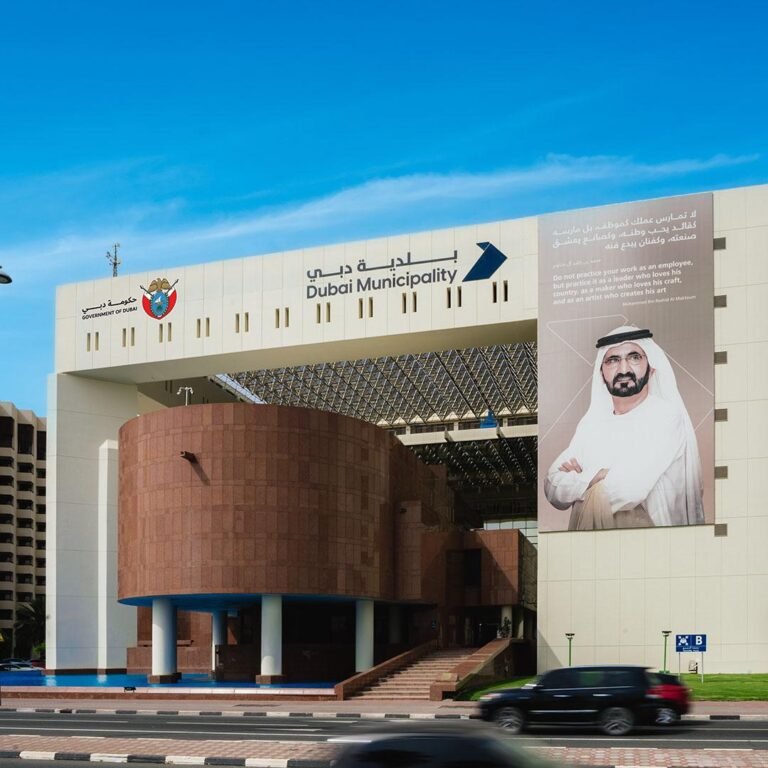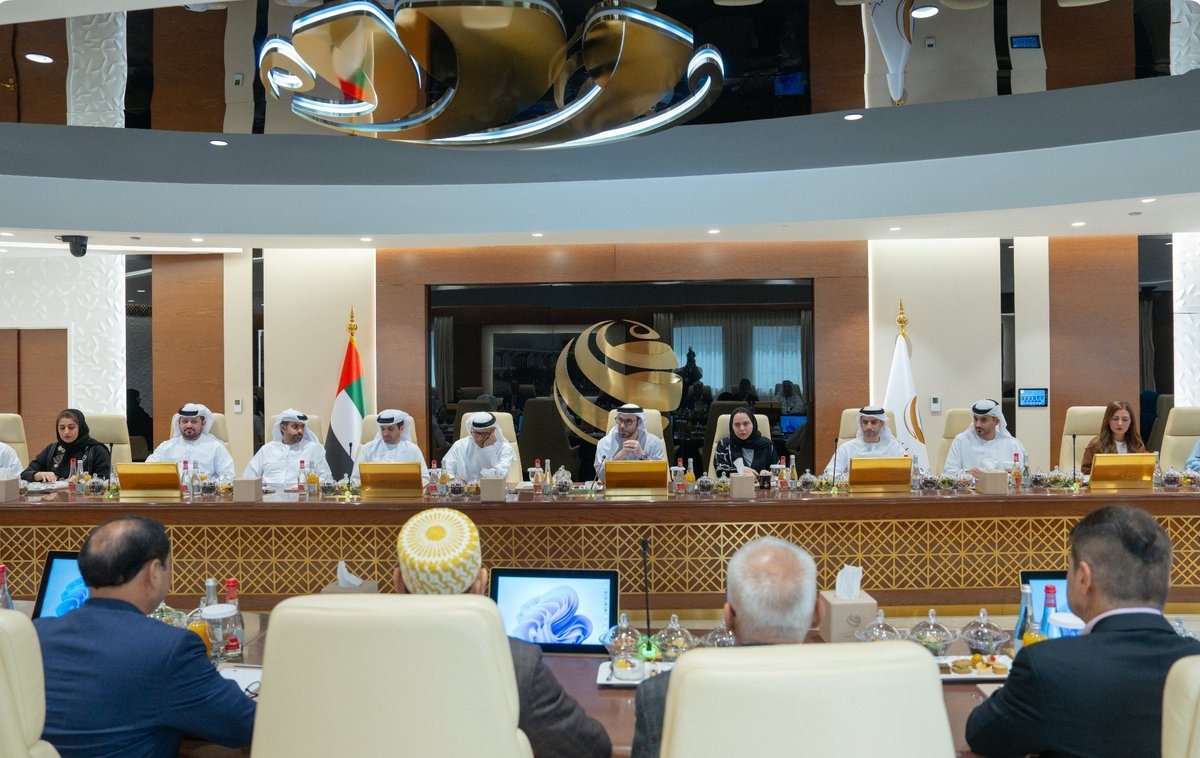
(Credit - Ports, Customs and Free Zone Corporation (PCFC))
Dubai Customs Measures Are Keeping the UAE’s Trade Engine Running, Even When the Region Gets Turbulent
Dubai Customs measures are doing exactly what they were designed to do, and the Ports, Customs and Free Zone Corporation (PCFC) wants businesses to know it. In an official statement, PCFC confirmed that a comprehensive, proactive strategy rolled out by Dubai Customs is strengthening trade flows and reinforcing supply chain resilience across the emirate, directly in line with Dubai’s broader economic vision and under the directives of Sheikh Hamdan bin Mohammed bin Rashid Al Maktoum.
Why This Announcement Hits Different Right Now
Dubai’s economy doesn’t just run on oil, it runs on cargo. The emirate is one of the world’s most active re-export and logistics hubs, connecting Gulf, Asian, African, and European supply routes through its ports, airports, and free zones. When regional tensions flare or global shipping gets disrupted, the pressure lands squarely on customs clearance systems. A bottleneck at the border doesn’t stay at the border, it ripples into retail shelves, factory floors, and hospital supply rooms.
That’s the context behind PCFC‘s statement. By flagging that Dubai Customs has already put proactive measures in place, the corporation is sending a clear signal to importers, re-exporters, and free-zone operators: the system is built to absorb shocks, not buckle under them. For businesses managing tight inventory cycles or time-sensitive cargo, think pharmaceuticals, perishables, or industrial spare parts, that kind of predictability is worth real money.
What “Supply Chain Resilience” Actually Looks Like on the Ground
Government statements about resilience can sound abstract, so here’s the plain-English version of what customs-led resilience typically involves. Risk-based inspection systems allow Dubai Customs to fast-track low-risk shipments while focusing scrutiny on higher-risk cargo, meaning compliant businesses spend less time waiting at clearance. Tighter coordination between Dubai Customs, port operators, and free-zone authorities reduces the handoff delays that quietly eat into delivery schedules. And compliance-focused initiatives, clearer documentation requirements, better-flagged declaration errors, cut the kind of avoidable hold-ups that cost SMEs disproportionately more than large corporations.
Operational continuity planning is the other side of the coin. Ensuring that inspection and clearance capacity can scale up during peak periods or unexpected disruptions means trade lanes stay reliable even when external conditions shift fast. For businesses calculating landed costs and working-capital requirements, that reliability is a competitive advantage in itself.
The Bigger Picture: Dubai’s Economic Security Play
PCFC framed these initiatives explicitly around economic security and the readiness of vital sectors, language that connects directly to Dubai’s D33 Economic Agenda, which targets doubling the size of Dubai’s economy by 2033. Keeping trade predictable and compliant isn’t just good logistics management; it’s a core part of maintaining investor confidence in Dubai as a regional distribution hub. When businesses know clearance timelines are stable and compliance expectations are clear, they’re more willing to route cargo through Dubai, set up regional distribution operations here, and absorb the kind of volume growth the D33 agenda demands.
- Who is behind this: Ports, Customs and Free Zone Corporation (PCFC) and Dubai Customs, under directives from Sheikh Hamdan bin Mohammed bin Rashid Al Maktoum
- What’s been implemented: A comprehensive proactive strategy covering trade flow optimisation, supply chain resilience, and compliance-focused operational measures
- Why now: Evolving regional and geopolitical developments that put pressure on shipping schedules, clearance timelines, and landed costs
- Who benefits directly: Importers, re-exporters, free-zone operators, SMEs, and any business dependent on predictable cargo delivery in the UAE
- Alignment: Dubai’s economic vision and the D33 Economic Agenda’s long-term growth targets
Dubai Customs isn’t waiting for disruptions to hit before reacting, PCFC’s statement makes clear the strategy is already in motion. For businesses operating in or through Dubai, that means more predictable clearance, clearer compliance expectations, and a logistics ecosystem designed to hold steady when regional conditions don’t. The practical upside: fewer surprise delays, lower inventory risk, and a stronger case for routing your supply chain through the UAE.

What You Should Do Next
If you’re an importer, freight forwarder, or free-zone operator in Dubai, this is a good moment to audit your own compliance posture. Resilience measures work best for businesses that meet them halfway, accurate declarations, clean documentation, and proactive engagement with Dubai Customs’ digital clearance platforms will put you in the fast lane, not the inspection queue. Check the official Dubai Customs portal and PCFC communications for any updated compliance guidelines tied to these initiatives.
Fine Dining Dubai: Top Restaurants & Best Deals 2026
Fine Dining Dubai Just Got Easier to Navigate, Here's Where to Book and What to Pay
Fine dining Dubai has a new central reference point: Visit Dubai, the official guide from the Dubai Department of Economy and Tourism, has published an updated directory spotlighting the city's top upscale restaurants, Michelin-recognised venues, and exclusive dining deals, giving residents and visitors a single, structured place to plan their next high-end meal.
Locations, Venue Types & Timings
Dubai's premium restaurant scene is spread across several distinct clusters, from beachfront resort strips in Jumeirah and Palm Jumeirah to the dense hotel corridors of Downtown Dubai and DIFC. A large share of the city's most celebrated kitchens operate inside luxury hotels, which gives them access to international culinary talent, curated beverage programs, and the kind of back-of-house infrastructure that supports multi-course tasting menus and chef's counter formats.
Reservations at Michelin-recognised venues in Dubai typically open 2, 4 weeks in advance for standard seatings, with chef's table and counter experiences often filling faster. Most fine dining kitchens run two seatings on weekends, an early sitting around 6:30, 7:00 PM and a later one from 9:00, 9:30 PM. Weekday availability is generally wider, and this is also when deal-led offers tend to apply.
| Venue Category | Key Districts | Typical Service Hours | Reservation Lead Time |
|---|---|---|---|
| Michelin-Recognised Restaurants | DIFC, Downtown Dubai, Palm Jumeirah | 7:00 PM, 11:30 PM | 2, 4 weeks in advance |
| Rooftop Fine Dining | Downtown, Marina, JBR | 6:30 PM, 12:00 AM | 1, 2 weeks in advance |
| Hotel-Based Tasting Menu Venues | Jumeirah, Business Bay, DIFC | 7:00 PM, 11:00 PM | 2, 3 weeks in advance |
| Chef's Counter / Omakase | DIFC, Downtown, Palm | 6:30 PM & 9:00 PM seatings | 3, 6 weeks in advance |
| Dubai Restaurant Week Participants | Citywide | Lunch & Dinner (venue-specific) | Book early, fills within days of launch |
- Dubai Restaurant Week: A citywide culinary event where participating restaurants offer set menus at fixed price tiers, typically held twice a year (spring and autumn editions).
- Michelin Guide Dubai: The guide covers restaurants across all price points, from Bib Gourmand picks to full-star recipients, check the official Michelin Guide website for the current Dubai list.
- Booking platforms: Most fine dining venues in Dubai accept reservations via Sevenrooms, OpenTable, or direct hotel concierge lines.
- Dress code: Smart casual to formal, confirm with the venue before arrival, especially for hotel-based restaurants.
Pricing: What Fine Dining in Dubai Actually Costs
Pricing across Dubai's fine dining tier varies significantly depending on format. A standard à la carte dinner for two at a Michelin-recognised restaurant typically lands between AED 600, 1,200 before beverages. Tasting menus, the dominant format at chef-led venues, run from AED 450 per person at the entry level up to AED 1,500+ per person for multi-course experiences with wine pairing. Dubai Restaurant Week set menus are the most accessible entry point, with three-course dinners historically priced at AED 99, 295 per person depending on the tier.
| Dining Format | Estimated Price Per Person (AED) | Includes Beverages? | Best For |
|---|---|---|---|
| Dubai Restaurant Week (Set Menu) | AED 99, 295 | Usually excluded | First-time visitors to premium venues |
| À la Carte (Michelin-level) | AED 300, 600 | Excluded | Flexible dining, sharing plates |
| Tasting Menu (Entry-Level) | AED 450, 650 | Optional pairing add-on | Special occasions, date nights |
| Tasting Menu (Premium / Starred) | AED 800, 1,500+ | Pairing often included at top tier | Milestone celebrations, culinary tourism |
| Chef's Counter / Omakase | AED 600, 1,200+ | Sake/wine pairing available | Immersive, interactive dining |
| Exclusive Deals (Visit Dubai Offers) | Varies, typically 20, 40% off standard pricing | Venue-specific | Weekday dining, shoulder season value |
- Service charge: Most fine dining venues in Dubai add a 10% service charge, check the menu footer before ordering.
- VAT: 5% VAT applies to all restaurant bills in the UAE.
- Exclusive deals: Visit Dubai's deals page aggregates limited-time offers from participating restaurants, these are typically weekday-only or early-bird seatings and can cut the cost of a tasting menu by AED 150, 300 per person.
- Lunch vs. dinner: Several Michelin-recognised venues offer abbreviated lunch menus at 30, 40% lower price points than their dinner equivalent, a practical way to experience the kitchen without the full dinner spend.
Dubai's fine dining scene is one of the most competitive in the world, backed by international guide recognition, a year-round calendar of culinary events, and a hotel-driven infrastructure that keeps quality standards high. For residents, the smartest move is to combine Visit Dubai's deals listings with Dubai Restaurant Week bookings to access top-tier kitchens at a fraction of the standard price. Plan ahead, the best tables at Michelin-recognised venues fill weeks in advance, and the most popular Restaurant Week seatings are gone within 48 hours of the event launching.

Dubai Customs Advanced Cargo Information System Launches
Dubai Customs Advanced Cargo Information System Is Changing How Your Shipments Clear the Border
Dubai Customs Advanced Cargo Information is no longer a future concept, it's live, and if you move goods through Dubai, this directly affects how fast your cargo gets released, how predictable your supply chain becomes, and how much you spend on delays you can no longer afford.
What Dubai Customs Has Actually Done Here
Dubai Customs has rolled out a new Advanced Cargo Information (ACI) system that pulls in shipment data before a vessel or aircraft even leaves its origin port. That's the key shift. Instead of inspectors seeing your cargo details for the first time when it lands at a Dubai seaport or airport, the system already has the picture, consignment details, declared values, commodity types, well ahead of arrival.
That earlier data feed powers a risk engine that sorts incoming cargo into lanes. Low-risk, well-documented shipments can be pre-cleared or fast-tracked through lighter-touch channels. Higher-risk consignments, flagged for misdeclaration, prohibited goods, or undervaluation patterns, get pulled for documentary or physical checks on arrival. The whole model flips customs from a reactive queue at the border into a proactive, data-driven screening process that runs while the cargo is still in the air or at sea.
Why This Hits Different for Freight Forwarders, Importers, and E-Commerce Operators
Dubai's economy runs on trade. The emirate's seaports and airports serve as the primary gateway for the wider Gulf, South Asia, and East Africa corridors, and for those corridors, minutes saved at inspection and release stages translate directly into lower demurrage costs, fewer missed delivery windows, and tighter inventory control. For high-turnover sectors like retail, pharmaceuticals, and perishables, that's not a minor operational tweak, it's a structural improvement to the cost base. Dubai Customs, as the authority overseeing all commercial cargo clearance in the emirate, is essentially raising the floor on processing speed for compliant operators while simultaneously raising the detection ceiling for those who aren't playing by the rules.
- System Name: Advanced Cargo Information (ACI)
- Launched by: Dubai Customs
- Core Mechanism: Pre-departure shipment data submitted before cargo departs origin
- Primary Benefit: Faster risk triage, reduced arrival-point congestion, improved clearance predictability
- Who Gains Most: Freight forwarders, importers, e-commerce sellers, pharma and perishables logistics operators
- Enforcement Upside: Stronger detection of misdeclaration, prohibited goods, and undervaluation
- Wider Impact: Smoother supply chains can reduce retail price pressure during disruption periods
Dubai Customs' ACI system marks a genuine operational shift, moving cargo risk assessment from the arrival gate to the point of departure, which is where it can actually do the most good. For compliant businesses, that means fewer random inspections and more consistent release times; for everyone else, the compliance bar just got measurably higher. If you're a logistics operator, importer, or e-commerce seller moving goods through Dubai, now is the time to audit your documentation quality and talk to your freight partners about what pre-departure data submission looks like under the new system.
What You Should Do Right Now
If you're an importer or freight forwarder: Contact your customs broker or freight agent and confirm they are aligned with Dubai Customs' ACI data submission requirements. The quality of your pre-departure documentation now directly determines which clearance lane your cargo lands in.If you're an e-commerce seller or SME: Talk to your 3PL or logistics provider about how the ACI system affects your expected release times and whether your current SLAs need updating to reflect faster clearance windows.For the latest official guidance: Monitor announcements directly from [Dubai Customs](https://www.dubaicustoms.gov.ae) and check Khaleej Times for regulatory updates as the system beds in.Oil Prices Hit Six-Week Lows on Hormuz Hopes
Oil Prices Sink to Six-Week Lows as Strait of Hormuz Reopening Hopes Reshape Global Energy Markets
Oil prices dropped sharply to six-week lows on May 27 as traders began unwinding the geopolitical risk premium built into crude, following reports of a draft US-Iran understanding and a direct signal from Tehran that the Strait of Hormuz is "completely open" during an active ceasefire.
Why the Strait of Hormuz Moves Oil Markets Faster Than Any OPEC Meeting
The Strait of Hormuz is not just a waterway, it is the single most consequential chokepoint in global energy supply. Sitting between the Arabian Gulf and the Gulf of Oman, it carries a substantial share of the world's seaborne crude oil, refined products, and LNG cargoes every single day. When traders sense even a credible threat of disruption here, a risk premium gets baked into Brent and WTI futures within hours. When that threat recedes, as it did this week, the unwind can be just as fast and just as sharp.
That is precisely the mechanics behind Tuesday's price slide. No physical barrel of oil was blocked or released. What changed was expectation. Reports of a draft US-Iran understanding, combined with Iranian statements that the strait remains fully navigable during the ceasefire period, were enough to shift the calculus for refiners, financial traders, and shipping operators simultaneously. Futures markets don't wait for confirmation, they price in probability, and the probability of a major supply disruption just fell.
The Ripple Effect: What This Means for UAE Businesses, Residents, and Regional Revenues
For UAE residents, the most direct downstream effect of sustained lower crude prices is the potential for softer retail fuel costs over time. The UAE's monthly pump-price mechanism, overseen by the UAE Ministry of Energy and Infrastructure, tracks global refined-product benchmarks, meaning a prolonged dip in Brent and WTI does eventually filter through to the forecourt. That said, the transmission is not instant. Refining margins, inventory cycles, and the dollar exchange rate all play a role before any saving reaches a driver in Dubai or Abu Dhabi.
For the business community, the implications run deeper. Logistics operators, airlines, delivery fleets, and construction companies, all of which carry significant fuel exposure, stand to benefit from reduced cost pressure if the price slide holds. Tanker charter rates and war-risk insurance premiums, which spiked on earlier Hormuz tension, could also normalise, easing freight costs across the supply chain. The US Fifth Fleet and UKMTO, which monitor maritime security in the region, remain the authoritative real-time indicators of whether shipping conditions have genuinely stabilised beyond the political statements.
There is, however, a counterweight that Gulf policymakers are watching closely. Sustained lower oil prices compress fiscal revenues across the region. For economies still calibrating post-pandemic spending programmes and large-scale infrastructure pipelines, a prolonged price correction, rather than a brief dip, can force recalibrations in public budgets and the pace of energy-sector investment. The current move is being read as a risk-premium unwind, not a demand collapse, which limits the severity of that concern for now.
- Price Move: Brent and WTI crude slid to six-week lows on May 27, 2026
- Trigger: Reports of a draft US-Iran understanding; Iran states Strait of Hormuz is "completely open" during ceasefire
- Claim Status: Unverified, not yet confirmed by UAE Ministry of Energy and Infrastructure, Oman authorities, or US Fifth Fleet/UKMTO official advisories
- Key Chokepoint: Strait of Hormuz, primary transit route for a large share of globally traded crude oil and LNG
- UAE Pump Price Mechanism: Monthly review by UAE Ministry of Energy and Infrastructure, tracking global refined-product benchmarks
- What to Watch: Official maritime security advisories, tanker traffic volumes, war-risk insurance premiums, and whether the draft understanding becomes a formal, verifiable arrangement
The oil market's move this week is a textbook example of how geopolitical signals, even unverified ones, can reprice global energy faster than any supply-side decision. For the UAE and the wider Gulf, the short-term read is cautiously positive: lower fuel-cost pressure and calmer shipping lanes. The longer game depends entirely on whether the ceasefire holds, the draft understanding hardens into something formal, and the Strait of Hormuz stays out of the headlines.

Saudi Arabia Red Sea Shipping Bypasses Hormuz
Saudi Arabia Red Sea Shipping Surge Signals a Strategic Retreat from Hormuz Dependency
Saudi Arabia Red Sea shipping volumes are climbing as Gulf trade operators make a calculated move to reduce their exposure to the Strait of Hormuz, one of the world's most pressure-sensitive maritime chokepoints, with new cargo corridors through Oman, Djibouti, Egypt, and Jordan now actively supporting the shift.
Why the Strait of Hormuz Is Losing Its Grip on Gulf Trade Flows
The Strait of Hormuz handles a staggering share of the world's seaborne energy and container traffic, threading between Iran and Oman to connect the Arabian Gulf with the wider Indian Ocean. But that concentration is exactly the problem. When risk perceptions spike, whether driven by geopolitical tension, insurance cost surges, or operational uncertainty, shippers don't wait for disruption to happen. They reroute before it does. That's the chess move playing out right now.
Routing more cargo through Saudi Arabia's western seaboard ports and into the Red Sea corridor gives operators a credible alternative. From there, goods can move north through the Suez Canal toward the Mediterranean, or branch into East Africa and the Levant. The trade-off, sometimes a longer voyage, occasionally an extra port call, is considered a worthwhile insurance premium against single-point exposure to Hormuz.
The Four-Country Network That Makes This Work
The new cargo links being activated across the region aren't random, they're architectural. Oman functions as the Arabian Sea gateway, offering an exit point that bypasses Hormuz entirely. Djibouti anchors the southern Red Sea near the Bab Al Mandab strait, making it a critical transshipment node for onward connections into Africa and Asia. Egypt brings the Suez Canal into play, unlocking the full Mediterranean market. Jordan rounds out the network as a Levantine land-bridge, giving cargo an overland leg into distribution markets across the northern Arab world. Together, these four connections create genuine redundancy, the ability to keep goods moving even when one corridor comes under pressure.
What This Means for UAE Businesses and Dubai's Re-Export Machine
For UAE-based importers, exporters, and the thousands of companies operating out of Jebel Ali and Dubai's free zones, this regional rebalancing has real operational consequences, even when their own cargo never touches a Saudi port. When significant volumes shift across a maritime network, the ripple effects hit freight rates, vessel scheduling, and container availability across all Gulf ports simultaneously. A sustained diversion of regional volumes can tighten capacity on certain lanes and loosen it on others, reshuffling the cost equation for just-in-time inventory models used by retailers, manufacturers, and e-commerce operators across the Emirates.
The Federal Transport Authority and the UAE's port operators, including DP World and AD Ports Group, will be watching these corridor shifts closely. A more distributed set of Middle East trade routes also intensifies competition among regional logistics hubs, creating pressure to accelerate customs clearance speeds, deepen multimodal connectivity, and sharpen contingency planning. For 3PL operators and freight forwarders based in Dubai, the immediate question is whether to lock in capacity now or redesign routing options before peak-season volatility arrives.
- Primary Shift: Saudi Arabia increasing cargo volumes through Red Sea ports on its western seaboard
- Trigger: Heightened risk perception around the Strait of Hormuz and rising insurance exposure
- New Corridor Partners: Oman (Arabian Sea gateway), Djibouti (Red Sea logistics node), Egypt (Suez Canal anchor), Jordan (Levantine land-bridge)
- UAE Impact: Freight rate fluctuations, container repositioning, and schedule changes across Gulf port networks
- Strategic Goal: Supply-chain resilience through multi-corridor redundancy
- Claim Status: Reported by Gulf News, currently unverified by a second authoritative source
Gulf trade is no longer willing to bet everything on a single chokepoint. Saudi Arabia's Red Sea pivot is less a reaction to one crisis and more a structural upgrade to how the region thinks about supply-chain risk. For UAE businesses plugged into the Gulf's re-export engine, the smartest move right now is to map your routing dependencies, because the network around you is already being redrawn.

Strait of Hormuz Deal: Iran Says Shipping Resumes
Strait of Hormuz Could Reopen Within a Month as Iran Claims Draft Deal With the US Would End Naval Blockade
The Strait of Hormuz, the narrow chokepoint through which a significant share of the world's oil and LNG flows, could be back open for normal shipping within 30 days, if Iran's account of a draft deal with the United States holds up. Tehran announced on May 27 that the two sides have reached a preliminary agreement that would end what Iran describes as a naval blockade and see US military forces withdraw from Iran's vicinity, easing one of the most tense maritime standoffs the Gulf has seen in recent years.
What Iran Is Claiming, and Why Shipping Markets Are Watching Every Word
According to Iran, the draft arrangement covers two headline commitments: the restoration of free commercial passage through the Strait of Hormuz and a US military pullback from positions close to Iranian territory. Iran says shipping could return to normal within a month of the deal being finalised. The claim has not been independently verified, and as of publication, no matching confirmation has emerged from Washington, making this, for now, an unverified but market-moving development.
That distinction is critical for anyone tracking freight costs or energy prices. In situations like this, markets tend to treat announcements as signals, not settled outcomes. The real-world confirmation traders and logistics operators look for is behavioural: do naval escort patterns change, do war-risk insurance advisories soften, and does vessel traffic through Hormuz actually pick up over the stated timeframe? Until those on-the-water indicators shift, the draft deal is a promising headline, not a done deal.
For UAE Businesses and Residents, the Clock Starts Now
The UAE sits directly in the economic blast radius of any Hormuz disruption. Sustained tension in the strait typically shows up first in higher marine war-risk insurance premiums, rerouted cargo, and longer delivery windows, costs that eventually filter through to imported goods, construction materials, and fuel prices. The Federal Authority for Nuclear Regulation, the Ministry of Energy and Infrastructure, and port operators at DP World and Abu Dhabi Ports all monitor Hormuz conditions as a baseline input for supply chain planning. If the draft deal progresses and insurers begin reducing war-risk surcharges in the coming weeks, UAE importers and logistics firms could see freight rates and lead times stabilise faster than current market pricing suggests.
- Who: Iran and the United States
- What: Iran says a draft deal would reopen Strait of Hormuz shipping and end a naval blockade, with US forces withdrawing from Iran's vicinity
- Where: Strait of Hormuz, the maritime gateway between the Arabian Gulf and the Gulf of Oman
- Verification Status: Unverified, no US confirmation as of publication (Source: Khaleej Times)
- UAE Exposure: Marine insurance premiums, freight rates, fuel pricing, and import lead times
Iran's claim of a draft deal with the US to reopen Hormuz shipping is the most significant de-escalation signal the Gulf has seen in months, but the market will need to see it reflected in insurance pricing, naval behaviour, and vessel traffic before treating it as fact. For UAE businesses running tight supply chains, the next two to four weeks are the window to watch. If the one-month normalisation timeline holds, the cost relief for importers, shippers, and energy-linked industries could arrive sooner than most forward contracts currently price in.
The Strait of Hormuz remains a critical chokepoint for global oil exports despite the reported resumption of shipping, underscoring why markets continue to price in disruption risk.