Iran Threatens Wider War as Supreme Leader Orders Immediate Military Response
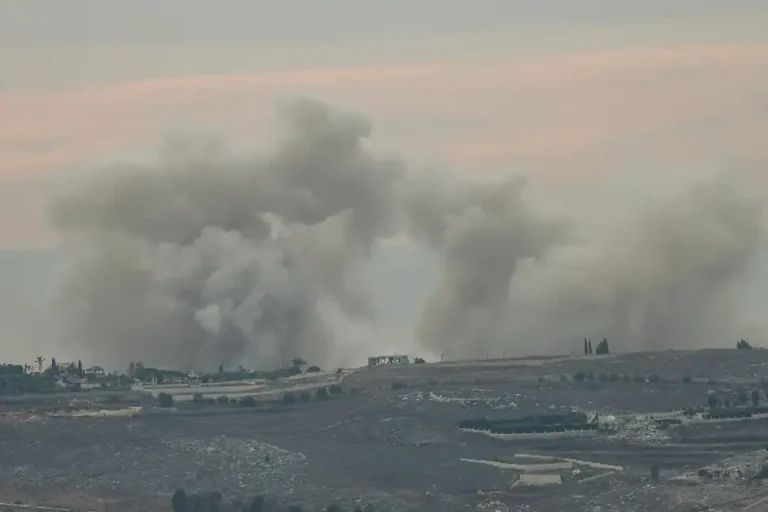
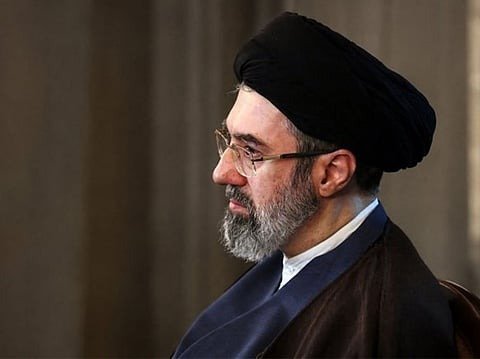
Iran‘s supreme leader Mojtaba Khamenei warned the United States and Israel against launching new military strikes, ordering top military commanders to prepare an immediate, impactful, and geographically unrestricted response as regional tensions escalate. Regional military commanders and political analysts face heightened risks of a full-scale resumption of hostilities following the supreme leader’s directive.
Tehran Orders Target List Updates Amid Stalled Diplomatic Channels
During his first reported public meeting with military leadership since taking office in March, Khamenei instructed armed forces chief of staff Ali Abdollahi, army chief Amir Hatami, and Revolutionary Guards commander Ahmad Vahidi to update target lists incorporating all tangible and intangible assets belonging to American and Israeli interests. The directive follows renewed warnings from United States President Donald Trump regarding potential military action following upcoming midterm elections, alongside Israeli Prime Minister Benjamin Netanyahu describing a historic opportunity to target the Iranian government.
Diplomatic efforts remain stalled, with Iranian Foreign Minister Abbas Araghchi stating there are no current plans for direct talks with Washington, despite ongoing Qatari mediation efforts and a letter sent by US Vice President JD Vance to security chief Mohsen Rezaei.
The standoff has severely impacted commercial shipping through the strategic Strait of Hormuz, which normally carries around one-fifth of global oil consumption. A ship struck a mine and caught fire in the waterway on Saturday, following reports that three oil tankers had been halted after encountering incidents or hitting mines. The resulting blockade has spiked global energy prices, complicating the political environment ahead of the US midterm elections and Israel’s recent parliamentary vote.
Ordinary citizens in the Iranian capital continue to experience the fallout of the conflict that began with initial US-Israeli strikes on February 28. Fariba, a Tehran housewife, described being left in a state of limbo over the past year, while local salesman Ebrahim noted that residents have adapted to decades of ongoing conflict.