Israel Election Deadlock: Netanyahu and Eisenkot Claim Mandates After Vote
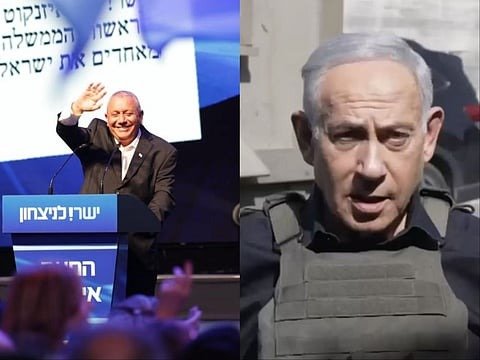
Following an inconclusive general election on Tuesday, October 28, 2026, Israeli Prime Minister Benjamin Netanyahu and opposition challenger Gadi Eisenkot both claimed mandates to form a government. Political analysts and regional observers note that neither candidate’s camp secured the 61-seat majority required in the 120-seat Knesset, plunging the country into political uncertainty as votes continue to be tallied.
With approximately 90% of ballots counted, Netanyahu’s hard-right camp holds 53 seats, marking an 11-seat drop compared to the 2022 election. Meanwhile, the opposition bloc holds 67 seats, which includes 48 seats for the bloc led by former military chief Gadi Eisenkot and 19 seats secured by Arab-Israeli parties. Likud leads as the largest single party with about 26 seats, while the Joint List holds 12 and Ra’am accounts for seven.
Voter turnout reached its highest level in decades, driven by soaring participation among Arab-Israeli voters opposing Netanyahu’s platform. Addressing supporters at a Jerusalem convention centre after 3:00 am, Netanyahu called for a strong right-wing government and unity among the Jewish and Zionist majority, while also referencing regional security coordination alongside US President Donald Trump. In Tel Aviv, Eisenkot issued a cautionary response to his rival’s political maneuvering.
Up to 480,000 ballots cast by troops, police, and diplomats remain uncounted, leaving final seat margins subject to shift before certification.
President Isaac Herzog urged political factions to maintain an open mind as the protracted ballot count leaves the parliament deadlocked following the trauma of the October 7, 2023 attacks.