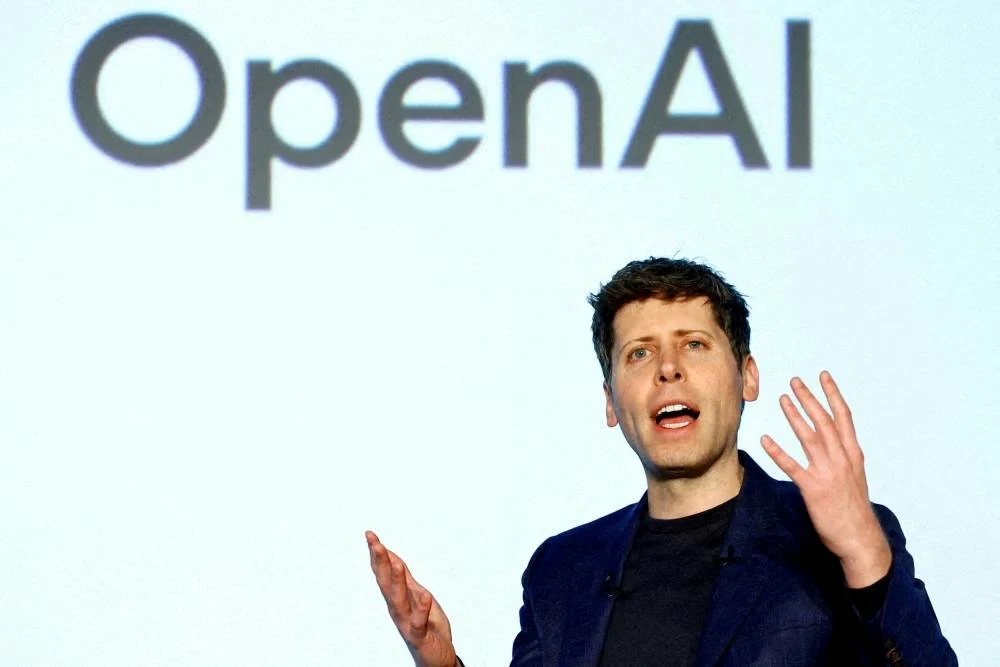
OpenAI's Strategic Move: Sharing AI Profits with the Public
OpenAI isn’t just proposing a 5% stake to the Trump administration; it’s making a calculated move to address political pressure and position AI profits as benefiting the public. This strategic intent is clear: by offering a minority stake, OpenAI aims to ease the political heat and demonstrate its commitment to sharing the benefits of AI development with the broader public.
The drivers behind this proposal are rooted in economic and geopolitical factors. The U.S. government has been discussing whether to take equity stakes in leading AI companies, and OpenAI‘s move can be seen as a preemptive step to shape the narrative and potentially influence the direction of these discussions. Furthermore, the increasing scrutiny of AI labs and their impact on society has led to calls for greater oversight and accountability, making OpenAI’s proposal a tactical response to these pressures.
The ripple effect of this proposal will be felt across various stakeholder groups. For investors, a 5% stake for the Trump administration could signal a shift toward tighter political oversight of AI labs, potentially affecting investment terms and governance structures. For the AI industry as a whole, this move could raise questions about competitive neutrality, particularly if one AI firm is perceived as having a privileged relationship with the administration. Lastly, for the general public, OpenAI’s proposal may be seen as a step toward greater transparency and accountability in AI development, although the actual impact will depend on how the stake is utilized and the benefits are shared.
One counter-argument to OpenAI’s proposal is that it may not be the most effective way to address political pressure or ensure that AI profits benefit the public. Some might argue that a 5% stake is too small to have a significant impact or that it could create unintended consequences, such as undermining the company’s independence or creating conflicts of interest. However, it’s also possible that this move is broadly uncontested, as it represents a pragmatic response to the current political environment and a genuine attempt to share the benefits of AI with the public.