(Credit - The National)
Pope Leo XIV’s AI Warning Just Turned a Tech Debate Into a Global Security Conversation
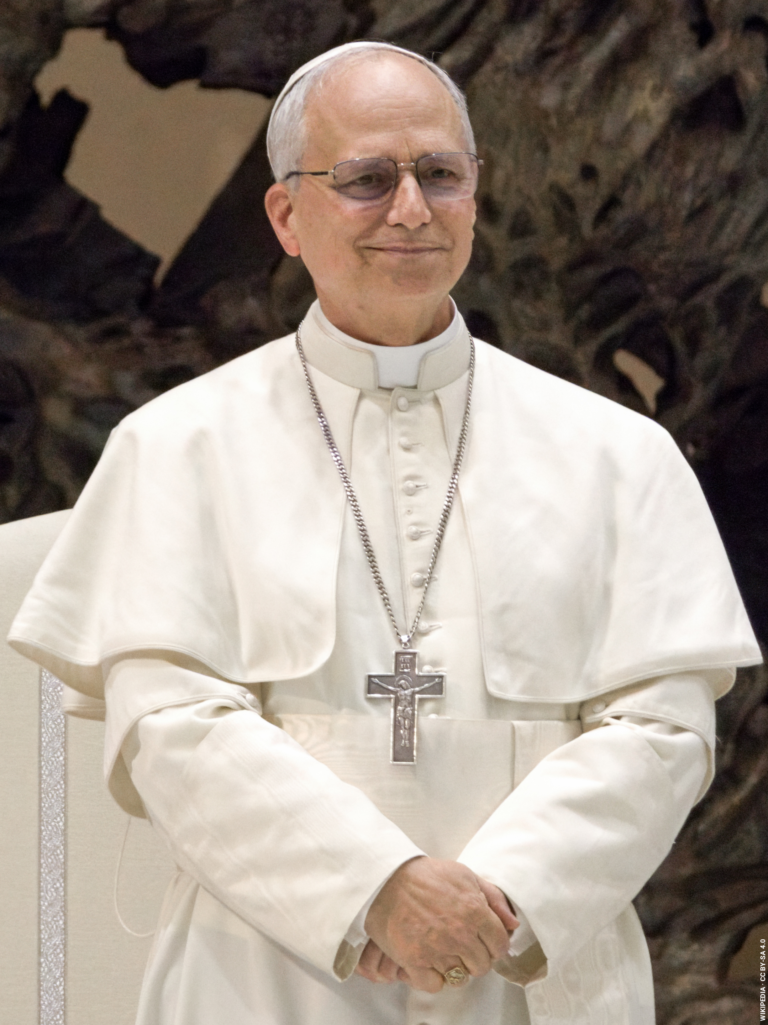
The Pope Leo XIV AI warning landed like a thunderclap this week, and it wasn’t just Catholics paying attention. In a statement that has reignited one of the most urgent policy conversations of our time, Pope Leo XIV declared that artificial intelligence could accelerate war and pose a genuine threat to humanity, calling for stronger oversight and accountability from governments and the tech industry alike.
What the Pope Actually Said, and Why It Cuts Through the Noise
Papal interventions on technology aren’t new, but this one arrives at a particularly charged moment. The core of the warning is straightforward: AI systems, especially those embedded in military and security contexts, can compress the time available for human judgment. When machines make targeting or surveillance decisions faster than humans can review them, the risk of miscalculation, and escalation, rises sharply. That’s not a hypothetical. It’s the central anxiety driving defence ministries and arms-control experts worldwide.
What makes this statement resonate beyond religious communities is its framing. Rather than speaking in purely theological terms, the message zeroes in on human dignity, accountability, and the moral limits of automated power, language that translates directly into policy. Historically, when the Vatican speaks on social issues with this kind of specificity, it shifts public opinion and gives political cover to legislators who want to act but need broader consensus to do so.
The Regulation Gap, and What ‘More Oversight’ Actually Means in Practice
When leaders call for “more oversight,” it can sound vague. In practice, it translates into a concrete set of policy tools that regulators are already debating: mandatory risk assessments before high-impact AI systems go live, transparency requirements around how models are trained and how they behave, independent audits, and clear liability rules for when AI causes harm. Tech companies have typically responded with voluntary safety pledges, but critics, and increasingly governments, argue that enforceable standards are the only way to prevent a race to the bottom on compliance.
The debate is now moving faster. The Pope’s intervention adds moral weight to calls that were already gaining traction in Brussels, Washington, and Beijing. For tech firms, the message is increasingly clear: voluntary commitments are no longer enough to satisfy regulators, investors, or the public.
What This Means If You Live or Do Business in Dubai
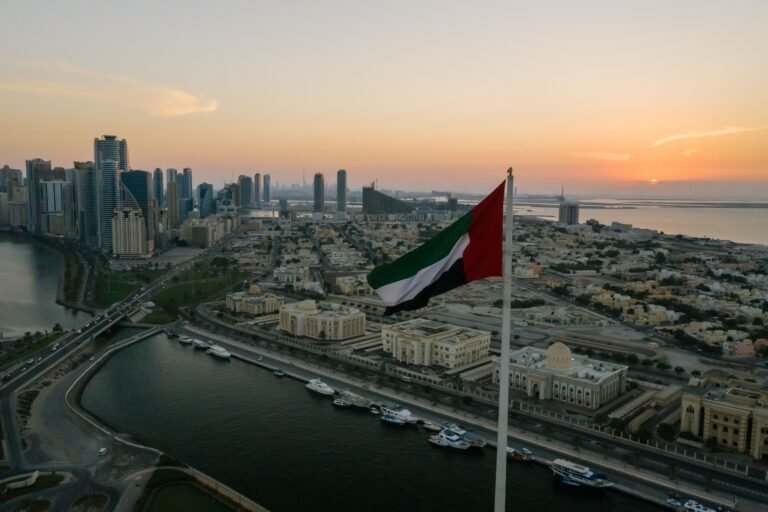
For UAE residents and companies, this global conversation is not abstract. The UAE has moved aggressively on AI adoption, across government services, aviation, logistics, finance, smart-city infrastructure, and education. The country’s AI strategy and the work of entities like the UAE Artificial Intelligence Office and Dubai’s Smart Dubai initiative have positioned the Emirates as a regional leader. But as international governance norms tighten, companies operating here will face rising expectations around data governance, model testing, and responsible deployment, particularly for AI used in hiring decisions, credit assessments, biometric identification, and critical infrastructure.
The practical consequence for Dubai-based businesses is a growing premium on what’s being called “compliance-ready AI”: documented processes, clear audit trails, and demonstrable human oversight for any high-stakes automated decision. Firms that can prove safety and accountability will move faster as regulatory scrutiny increases, both locally and across the international markets they serve.
- Who issued the warning: Pope Leo XIV, with reactions from tech companies and AI experts globally
- Core concern: AI could accelerate war and threaten humanity through reduced human oversight in military and security systems
- Policy ask: Stronger governance, mandatory risk assessments, independent audits, and clear liability frameworks
- Claim status: Reported as unverified by The National, details of the full statement are still emerging
- UAE relevance: Businesses using AI in high-stakes decisions face rising compliance expectations as global norms evolve
- Date: 28 May 2026
The Pope Leo XIV AI warning has done something rare: it has brought a moral voice into a debate that was in danger of becoming purely technical. For UAE residents and businesses, the takeaway is practical, AI governance is no longer a back-office concern, it’s a boardroom priority. The companies and governments that get ahead of enforceable standards now will be far better positioned when the next wave of regulation arrives.