50% Tariffs Hit $28B in Canadian Goods After Trade Talks Collapse
Bilateral trade negotiations between the United States and Canada collapsed after 50 percent US tariffs took effect on roughly $28 billion worth of Canadian goods over the weekend. North American industrial sectors, agricultural exporters, and automotive manufacturers face immediate operational disruption as Washington prepares additional import duties and Ottawa outlines counter-measures.
Retaliatory Duties Set for September as US Targets Canadian Auto and Steel
Canadian Prime Minister Mark Carney confirmed that dollar-for-dollar retaliatory duties will target American imports starting September 8, 2026. US President Donald Trump expanded the trade action by announcing that tariffs on Canadian cars, trucks, automotive parts, and steel imports will increase to 50 percent starting January 1, 2027, urging manufacturers to shift production to the US.
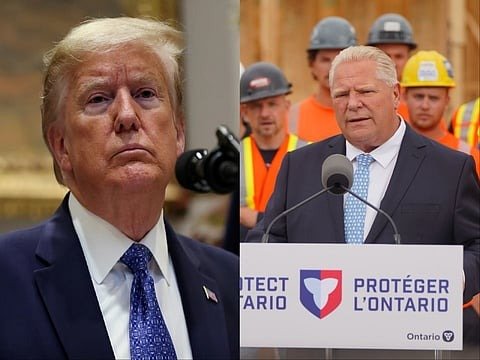
The policy breakdown triggered sharp public exchanges between US and Canadian officials. Trump criticized Canadian leadership on social media, calling Ontario Premier Doug Ford the “less charismatic, intelligent, and overall unimpressive brother” of the late Rob Ford and alleging that Canada’s unemployment rate had risen to 10 percent. Trump also referenced regional energy infrastructure, warning that substantial volumes of Canadian oil, gas, and electricity pass through US territory.
Ford rejected the comments during an interview with Toronto radio station Newstalk 1010, characterizing the US President as “arrogant” and “cocky,” while stating publicly that he would not take advice from a “dictator” or the “king of bankruptcies.” Ford voiced full support for Carney’s decision to walk away from trade talks and stated that all retaliatory options remain available. Following the implementation of the US duties, Ontario’s NDP and Liberal opposition parties requested an emergency recall of the provincial legislature to address the economic fallout across key commercial sectors.