37 Ships Struck in October as US Halts Attacks But Keeps Naval Blockade
A temporary pause on direct air strikes has lowered immediate fears of wider regional war, but maritime trade through local waters remains strictly under pressure.
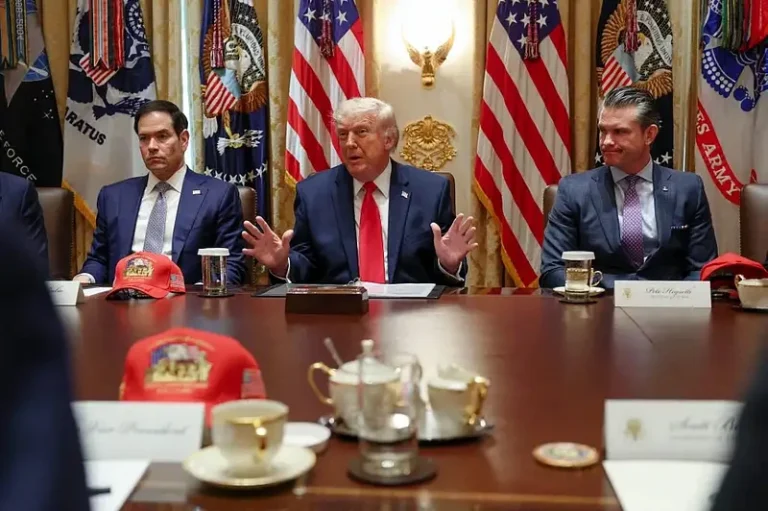
US President Donald Trump announced on November 9 that Washington would hold off on launching fresh military attacks against Iran. The move followed direct appeals for restraint from Gulf nations, including the UAE, Saudi Arabia, Qatar, Bahrain, and Kuwait. While the decision prevents a fresh military escalation for now, American naval forces remain deployed to enforce a total blockade on maritime access to Iranian ports, leaving the broader conflict completely unresolved.
What Washington Agreed to, and What Remains in Place
The pause in direct bombardments came after discussions involving Qatar’s Prime Minister, Sheikh Mohammed bin Abdulrahman Al Thani, who has mediated efforts to end the military confrontation that began on February 28.
Yet the operational reality at sea has not changed. Washington is keeping its naval blockade in place to force Tehran into accepting terms for a final settlement. In response, Iran continues to restrict commercial traffic moving through the Strait of Hormuz.
Tehran proposed a mutual deal: it would reopen the waterway if the US lifted its naval blockade, granted targeted sanctions relief, and ended all strikes. Washington rejected those terms in their current form, leaving both sides at a complete