Hormuz Tanker Fires Escalate as Trump Faces Congressional Defeat
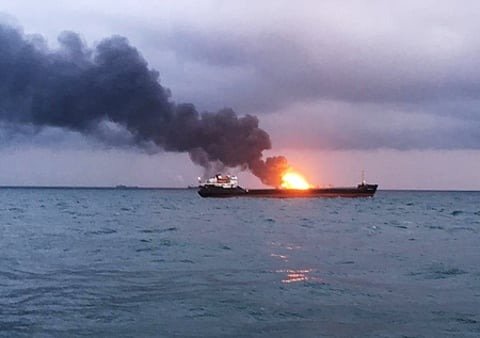
Washington’s political center of gravity shifted dramatically when Democrats seized control of both chambers of Congress in Tuesday’s midterm elections, leaving President Donald Trump politically cornered just as a fresh wave of maritime warfare shatters the Strait of Hormuz. Iran’s Revolutionary Guards and army reported that five oil tankers and a tugboat caught fire in separate incidents across the waterway, compounding a security crisis in a vital energy corridor that previously carried roughly one-fifth of global oil consumption.
The operational reality across the Gulf has deteriorated past conventional risk assessment. International Maritime Organization records confirm damage to six commercial vessels between October 28 and November 1, a toll amplified by subsequent reports of naval mines and projectile strikes. Among the affected shipping, Qatar’s liquefied natural gas carrier *Al Mayeda* was struck by unidentified objects on October 30. Its operator, *Nakilat*, confirmed that the crew remained safe and the vessel operational with no environmental impact, but the broader transit artery faces systemic disruption. Parallel to these incidents, the United Kingdom Maritime Trade Operations agency logged a separate attack involving a tanker struck by two unidentified projectiles approximately 90 kilometres north of Qatar.
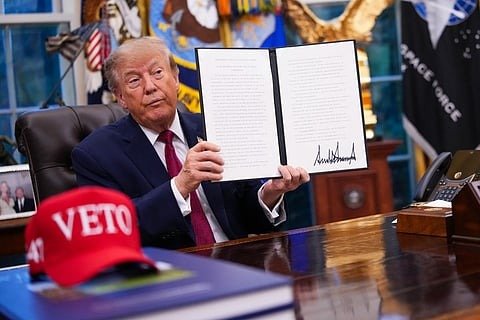
Back in Washington, the domestic cost of the military campaign has caught up with the executive branch. President Trump acknowledged that the conflict and the resulting increase in fuel prices contributed to the Republican defeat. Vice President JD Vance offered an even more explicit assessment, blaming the war directly for the electoral losses. According to reports by *The Wall Street Journal* and *Axios*, senior administration officials are now deeply divided over whether this political setback will force a pivot toward diplomacy or trigger a heavier round of US military retaliation.
Despite mounting domestic pressure and persistent maritime chaos, the administration maintains that preventing Iran from acquiring nuclear weapons overrides immediate electoral penalties, leaving the path forward deadlocked between strategic de-escalation and renewed kinetic conflict.