US Secures 55% Stake in 17 Venezuelan Oil Fields in Century-Long Accord
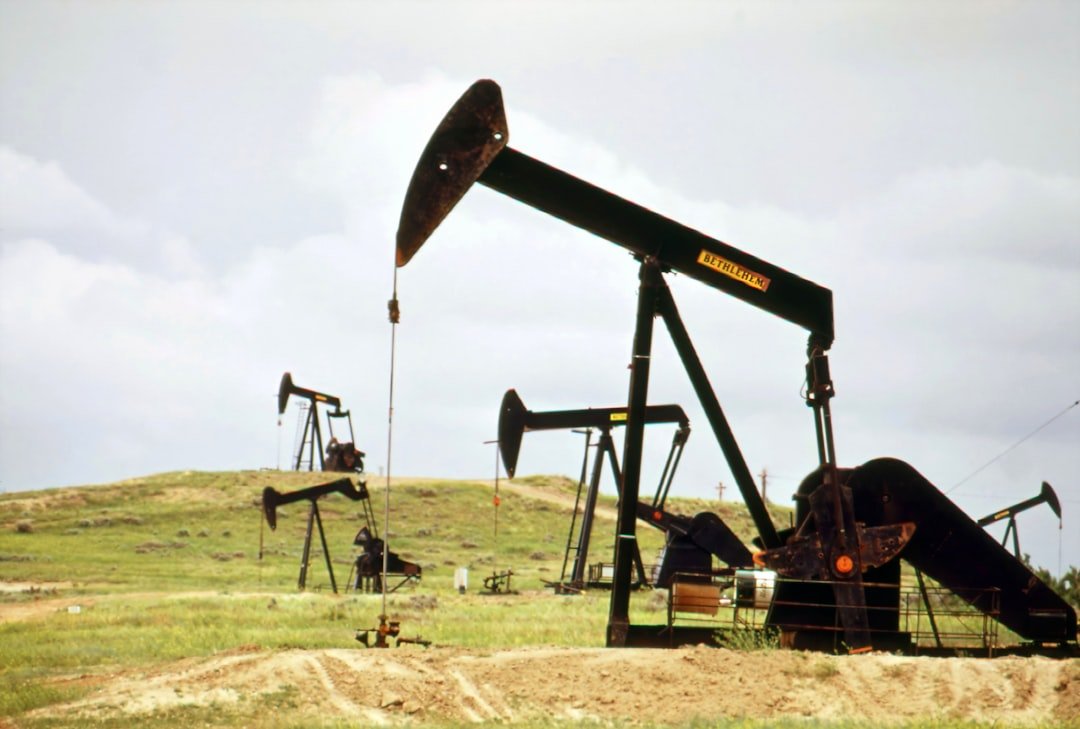
Washington and Caracas finalized a century-long agreement giving the United States a 55% effective output stake across 17 Venezuelan oil fields containing a reported 65 billion barrels of reserves. Global energy markets and American motorists face an extended wait for relief as analysts warn that dilapidated infrastructure will stall immediate production increases.
Century-Long Accord Targets $100 Billion in Energy Investment
The 100-year contract establishes a private company formed by the U.S. government and an unnamed private operator, positioning the entity as the second-largest corporate holder of proven reserves behind Saudi Aramco. American purchases from the fields will feed strategic petroleum reserves and military supplies, according to a U.S. official who spoke on condition of anonymity.
U.S. President Donald Trump announced the agreement, which was negotiated by Secretary of State Marco Rubio, Defense Secretary Pete Hegseth, and Venezuelan Acting President Delcy Rodríguez. Rodríguez stated the accord could draw $100 billion in investment and yield more than $209 billion in taxes for Caracas.
Despite Trump’s assertions that the deal will help lower fuel costs for Americans amid supply slowdowns from the Iran war, energy experts urge caution. The average price of gas in the U.S. stood at $4.08 a gallon, compared to $3.20 at the same time last year.
“It doesn’t happen all at once,” said Kevin Book, managing director at ClearView Energy Partners. “It’s going to take time, many years, to deploy that much capital and produce the kind of incremental results that history suggests possible.”
Amy Myers Jaffe, director of the Energy, Climate Justice and Sustainability Lab at New York University, noted that while the arrangement could prove helpful in the long run, it will not alter retail pump prices for the Labor Day weekend.
Domestically, some citizens have voiced frustration over the terms. At a market in eastern Caracas, resident Douglas Borjas criticized the move, calling it an effort by leaders to maintain power. The agreement follows the January military raid that captured then-President Nicolás Maduro and transferred him to New York to face federal drug trafficking charges.