Six-year UAE health plan targets extreme heat and dust hazards
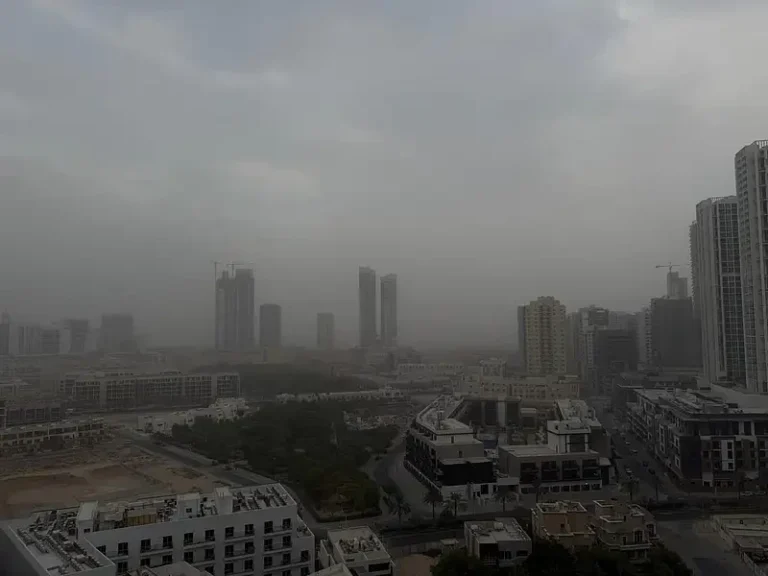
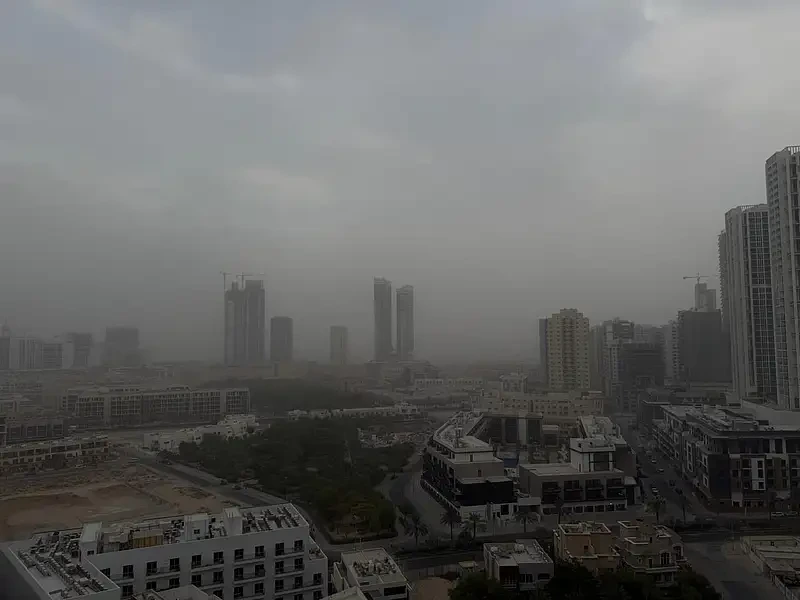
Residents across local neighborhoods are set to see sharper health monitoring for dust storms and extreme heat under a newly unveiled national rollout designed to catch warning signs before emergencies hit.
Early-warning alerts and hospital readiness for neighborhood clinics
Announced by the Ministry of Health and Prevention (MoHAP) during the Abu Dhabi Future Health Summit, the Health Sector Climate Adaptation Plan runs from 2026 to 2031. Rather than waiting for health risks to turn into severe crises, the initiative aims to help authorities spot warning signs early and act before more people fall sick.
The framework hones in on six priority health areas: heat-related illnesses, cardiovascular and respiratory diseases, vector-borne diseases, water- and food-borne diseases, and mental health. Hot and humid conditions drive up the risk of heatstroke while straining heart conditions, whereas dust storms and poor air quality trigger asthma attacks, particularly for children and older residents.
The strategy introduces heat and air-quality alerts so residents can take precautions before prolonged exposure causes illness. At the same time, healthcare providers are scaling up emergency preparedness, strengthening medical supply chains, and coordinating response plans to keep essential care running even when severe weather disrupts transport or facilities. Hussain Al Rand, assistant undersecretary for the Public Health Sector at MoHAP, noted that the next phase focuses on translating climate-risk assessments into practical measures, including training healthcare professionals and expanding specialized research.
The initiative was developed alongside the Ministry of Climate Change and Environment, local health authorities, and specialized partners.