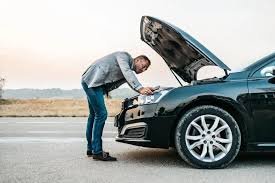
Faulty Second-Hand Car? What UAE Consumer Law Says
Federal Law No. 15 of 2020 on Consumer Protection, amended by Federal Decree-Law No. 5 of 2023 and backed by Cabinet Decision No. 66 of 2023, protects buyers of goods and services supplied in the UAE. It does not expressly exclude second-hand goods, so a sale by a licensed used-car dealer can fall within it. The reported analysis (28 June 2026) does not address private sellers, so do not assume the same protections apply to a sale between individuals.
What Sellers Must Do
Suppliers must not describe goods with incorrect data (Article 17). For used goods, the executive regulation requires the supplier to advertise the condition of the product clearly, and the condition must be stated in the contract or invoice. A fine of up to Dh100,000 applies for offering defective used or renovated products (Addendum No. 2 to Cabinet Decision No. 66 of 2023).
| Item | Detail |
|---|---|
| Main law | Federal Law No. 15 of 2020, amended by Federal Decree-Law No. 5 of 2023 |
| Executive regulation | Cabinet Decision No. 66 of 2023 |
| Maximum fine for defective used products | Dh100,000 |
| Compensation | Consumers can claim compensation for personal or material damage (Article 24) |
If You Have Bought a Faulty Car
- Gather the sales contract, invoice and every message with the seller.
- Get a written report from a mechanic or inspection centre that documents the defects.
- Complain to the Ministry of Economy, or to the competent authority in your emirate (in Dubai, the Department of Economy and Tourism).
- Provide the evidence of the defect and the sale terms. The buyer must show the seller misled them.
Before You Buy
Get the car inspected before you pay, ask the seller to state its condition in writing on the contract or invoice, and keep copies of any advert. That written condition is what you can rely on later.
For everyday shopping, the Ministry of Economy also runs a tool to compare grocery prices across UAE retailers.