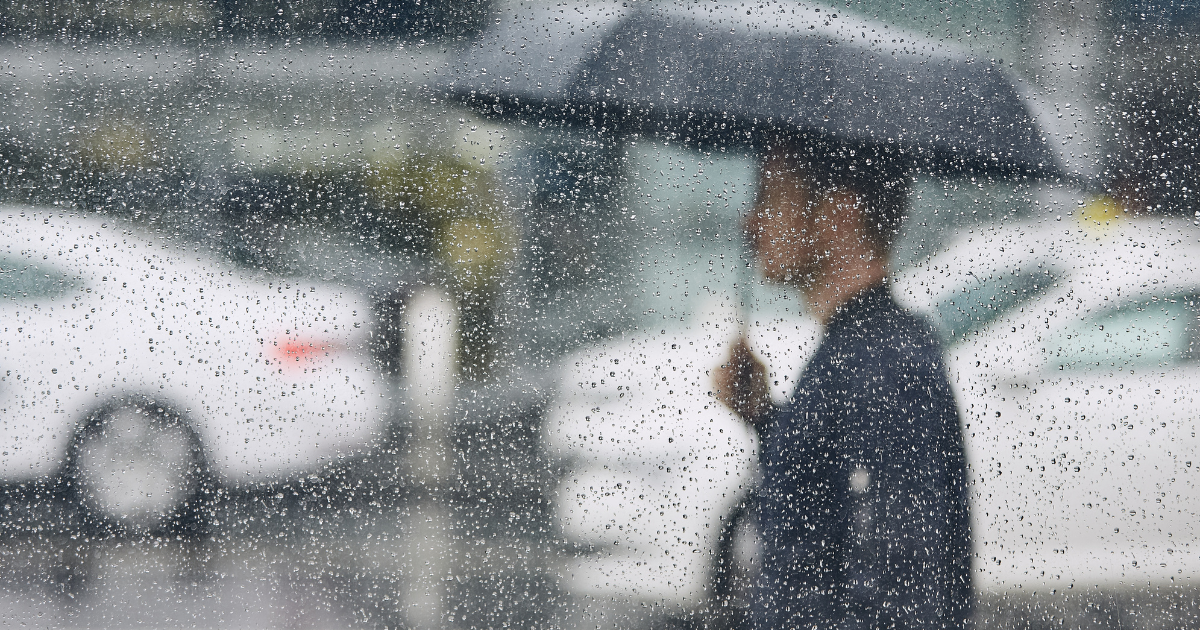
UAE heavy rain swept across parts of the country on March 26, leaving some neighbourhoods dealing with standing water and slow-moving roads as official stations logged sharp differences in rainfall totals by emirate. The National Centre of Meteorology said Shoukah in Ras Al Khaimah recorded the highest reported total at 77.5 millimetres, while Kalba on Sharjah’s east coast followed with 65.8 millimetres. Flash floods were specifically reported in Ras Al Khaimah as a direct consequence of the heavy rain. In Dubai, residents reported flooding and traffic disruption in pockets of the city, the kind of sudden knock-on effect that can turn a routine commute into a long crawl within minutes. Clean-up operations are currently underway following the heavy rain and flooding.
The weather, causing the heavy rain, was described as unstable, and forecasters had a simple message: watch the sky and check official updates. When rain falls hard in short bursts, especially during busy times, water can quickly collect on underpasses and low-lying streets. This is when visibility decreases, stopping distances increase, and minor delays can lead to citywide traffic.
The latest updates indicated that the severe weather continued into March 27, 2026, but Latest official updates confirm that no tornadoes occurred during the severe weather event.
At a Glance: UAE heavy rain & weather update
- Moderate to heavy Rainfall was recorded across the UAE on March 26 amid unstable weather conditions, according to the National Centre of Meteorology.
- Highest reported total: Shoukah, Ras Al Khaimah at 77.5mm. Second highest: Kalba, Sharjah at 65.8mm.
- Dubai residents reported Flooding and Traffic disruption in some areas as water pooled on roads.
- Forecasters warned conditions could remain unsettled, with more storm activity possible.
Rainfall totals by emirate, the numbers that stood out
“The National Centre of Meteorology said in a statement that Shoukah in Ras Al Khaimah recorded the highest rainfall in the country at 77.5 millimetres.”
National Centre of Meteorology (UAE)
| Location | Emirate | Reported rainfall total (mm) | Date |
|---|---|---|---|
| Shoukah | Ras Al Khaimah | 77.5 | 2026-03-26 |
| Kalba | Sharjah | 65.8 | 2026-03-26 |
In areas with mountains and valleys, like parts of Ras Al Khaimah and the Sharjah east coast, water can rush quickly even if it rains more in other places than where you are. This is why the risk of flooding can increase suddenly, and drivers and hikers are advised to avoid flood channels during bad weather.
Public safety and preparedness
Authorities typically advise residents to avoid driving through standing water, keep distance from wadis and flood channels, and follow official alerts for road closures and weather updates. Practical steps include leaving extra time, using main roads where drainage is better, and avoiding underpasses if water is already pooling.
During unstable weather, the safest habit is simple: rely on the National Centre of Meteorology updates and local authority channels, not rumours or recycled clips.
For now, the clearest indication comes from the official reports on March 26, warning that the situation might not be over. If you are going out in Dubai or traveling towards Ras Al Khaimah and Sharjah‘s east coast, prepare for slower traffic, sudden water accumulation, and last-minute changes.