When “Just a Photo” Becomes a Security Risk: UAE Warns Against Sharing Images of Incident Sites and Sensitive Locations
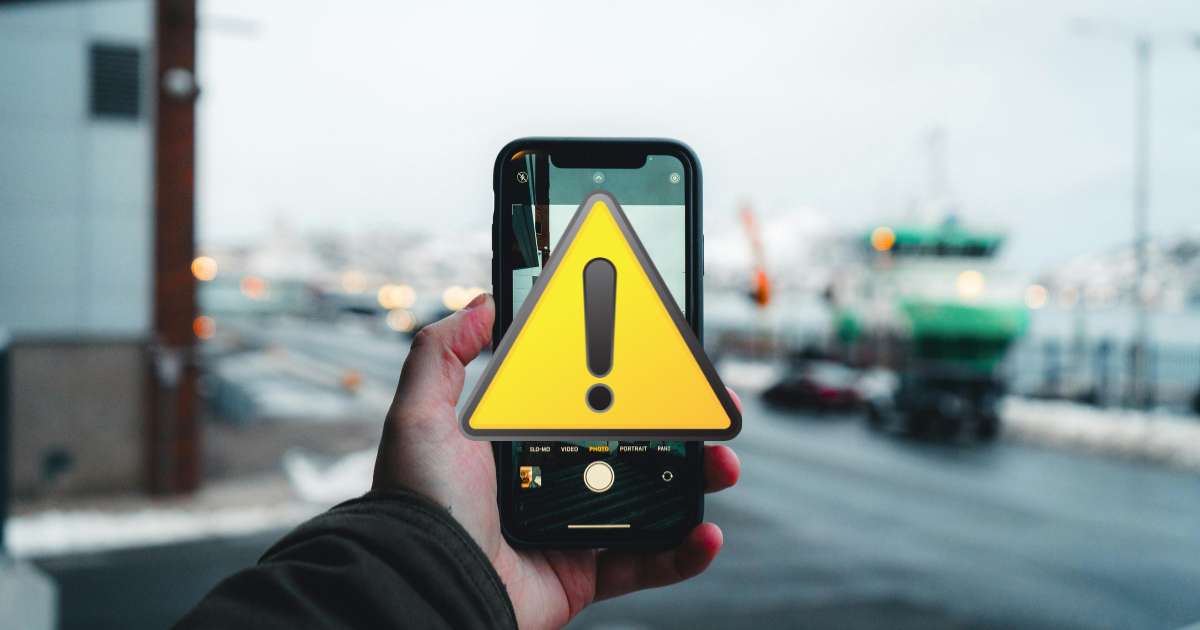
UAE authorities have issued a renewed public advisory urging residents in the Emirates to refrain from photographing or sharing images of accidents, fires, or sensitive sites. Authorities warn that even casual social media posts can be weaponized into misinformation. Sharing these images can lead to legal consequences under UAE cybercrime laws. Posts are frequently recontextualized with false captions to spread panic or misleading narratives during fast-moving events.
Official channels, including Dubai Police and the Ministry of Interior, indicate that images of debris or projectile damage serve as actionable data for third parties. recognizable landmarks and street signage allow for rapid geolocation. This exposure reveals security postures and emergency response routes, potentially compromising critical infrastructure and transport nodes. Authorities are asking the public to treat incident imagery as sensitive intelligence rather than casual documentation.
- Core claim (fact-check framing): Authorities warn that incident photos can be manipulated or recontextualized, meaning an accurate image can still become misinformation if reposted with false time/place details.
- What “sensitive” often includes in practice: incident scenes (accidents, fires, security events), visible damage from projectiles/shrapnel, emergency service deployments, and areas that could expose vulnerabilities in critical infrastructure or transport nodes.
- Operational risk pathway: identifiable landmarks + damage close-ups + street signage enable rapid geolocation and inference of response patterns, potentially undermining scene security and investigative integrity.
- Public action standard implied: don’t post; don’t forward; rely on official updates; report suspicious or misleading content rather than amplifying it—treating virality as a safety hazard during evolving incidents.
Viral content on WhatsApp, Telegram, and X can obstruct ongoing emergency operations. Beyond security risks, on-scene photography violates the privacy of those involved and complicates official investigations. Authorities expect residents to wait for verified updates rather than amplifying unverified claims. In dense urban areas, these viral images can influence crowd behavior and traffic patterns, creating secondary hazards for responders.
This warning signals a long-term shift toward stricter digital conduct during emergencies. The goal is to move the public from a “share first” habit to a “verify before posting” standard. Protecting sensitive locations is now framed as a national responsibility. Cooperation remains a primary requirement for maintaining community stability and safety across the UAE.
- Restrictions: Sharing photos of projectile damage, accidents, or shrapnel is strictly prohibited.
- Risks: Images can be geolocated by landmarks, exposing emergency response patterns and site vulnerabilities.
- Official Sources: Residents should only rely on and forward information from verified government platforms.
- Legal Action: Digital conduct is monitored to prevent the spread of misleading narratives or weaponized content.
Treat incident imagery as sensitive data rather than social media content to ensure the safety of your community.