(Credit - Gulf News)
Three Ebola Vaccine Candidates Fast-Tracked as $60 Million Targets a Strain the World Has No Approved Shot For
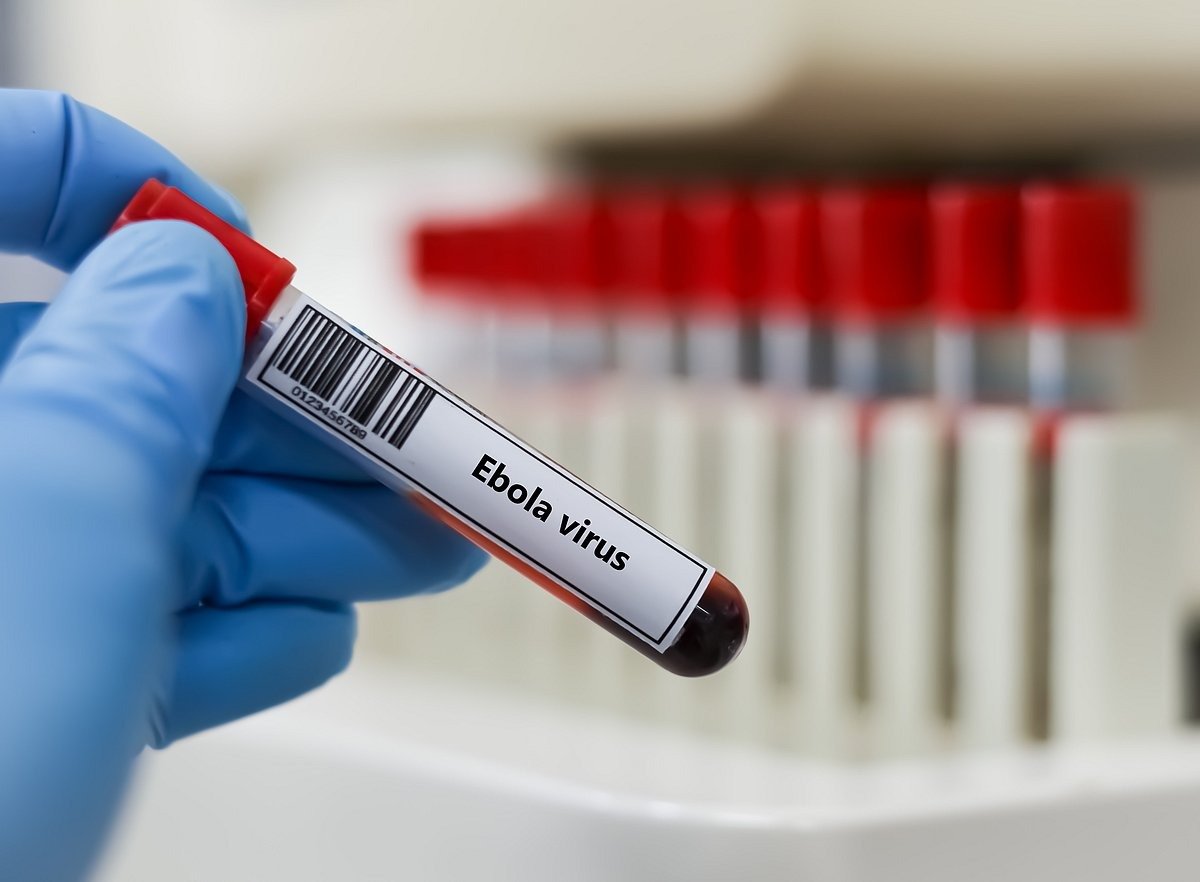
Three Ebola vaccine candidates are being fast-tracked by global health organizations right now, as an active outbreak in the Democratic Republic of Congo, driven by the Bundibugyo species, exposes a critical gap: there is no approved vaccine for this particular strain of the virus.
Why the Bundibugyo Strain Changes the Entire Vaccine Equation
Most existing Ebola vaccine tools were built around the Zaire species, which has historically been the most common and deadly strain. Bundibugyo is a different animal entirely, it has caused outbreaks with significant fatality rates, but it has never had a dedicated, approved vaccine solution. That means every control measure being used right now in DR Congo, rapid case detection, isolation, contact tracing, safe burials, and infection prevention in healthcare settings, is running without the safety net of an authorized immunization tool.
Fast-tracking three candidates simultaneously is a deliberate risk-management strategy, not a sign of disorganization. Different vaccine platforms, viral vectors, protein-based approaches, vary in how quickly they can be manufactured, how long protection lasts, what cold-chain infrastructure they need, and how well they suit ring vaccination during an active outbreak. Running multiple candidates in parallel means that if one platform hits a manufacturing or safety wall, the others keep moving.
What the $60 Million Pledge Actually Buys, and What It Doesn’t
The approximately $60 million pledged to accelerate development is designed to cut through the two biggest bottlenecks in outbreak-era vaccine work: funding gaps and manufacturing delays. In normal timelines, preclinical work, scale-up, and early-stage clinical testing can stretch across years. This funding targets compression of those timelines, but it does not guarantee an approved product. Safety data, immunogenicity evidence, and effectiveness results still have to be generated, even under accelerated protocols.
- Strain in question: Bundibugyo ebolavirus, distinct from the Zaire species that existing approved vaccines target
- Candidates in development: Three vaccine candidates being fast-tracked simultaneously across different platforms
- Funding committed: Approximately $60 million pledged to accelerate preclinical work, manufacturing scale-up, and early clinical trials
- Current outbreak location: Democratic Republic of Congo, as of June 3, 2026
What This Means While the World Waits for a Vaccine
Until any of the three candidates clears safety and effectiveness hurdles, outbreak response in DR Congo depends entirely on classical public-health tools. Surveillance teams identifying cases fast, isolation protocols keeping the virus from spreading in healthcare settings, contact tracing networks mapping exposure chains, and safe burial practices, these are the only proven instruments available right now for Bundibugyo containment.
For NGOs, healthcare operators, and international organizations with staff or supply chains in or near affected areas, the practical implication is immediate: staff protection protocols, personal protective equipment supply chains, and contingency operations planning cannot wait for a vaccine timeline that remains uncertain. The $60 million pledge accelerates the science, but it does not change the ground reality today.
The DR Congo Bundibugyo outbreak has exposed a genuine gap in global vaccine preparedness, one that existing Ebola tools were never designed to fill. Three fast-tracked candidates and $60 million in pledged funding represent the global health community’s most serious attempt yet to close that gap. Until any candidate reaches authorization, the outbreak response runs entirely on surveillance, isolation, and contact tracing, the same tools that have contained Ebola outbreaks for decades.