(Credit - Travel And Tour World)
Dubai Leads in AI-Powered Biometric Travel
In Dubai, the General Directorate of Residency and Foreigners Affairs (GDRFA) has reported that its AI-powered biometric border systems processed more than 9.4 million travellers during the early summer 2026 peak travel period. This milestone highlights Dubai’s commitment to innovative, secure, and efficient travel experiences, setting a new standard for global tourism.
The expansion of contactless biometric hotel check-in across participating hotels in Dubai aims to reduce queues and paperwork while maintaining stringent security standards. This initiative is part of Dubai’s smart tourism strategy, which leverages technology to enhance visitor experiences without compromising safety.
The GDRFA’s biometric border system is a key component of Dubai’s efforts to streamline travel processes. By utilizing AI-powered biometrics, Dubai International Airport can facilitate faster immigration processes, making it an attractive destination for tourists and business travelers alike.
As Dubai continues to invest in digital identity and biometric technologies, it is likely to see further enhancements in its travel infrastructure. The emirate’s focus on innovation and customer experience is expected to drive growth in its tourism sector, cementing its position as a leader in global travel destinations.
The success of Dubai’s AI-powered biometric borders and contactless hotel check-in initiatives demonstrates the emirate’s ability to balance security with convenience, paving the way for a future of seamless and efficient travel experiences.

Oil price jumps on Hormuz fears
Oil Prices Surge as Hormuz Disruption Fears Grow
Oil prices jumped on July 13, 2026, amid fears of prolonged disruption in the Strait of Hormuz. This development impacts anyone involved in oil trading or dependent on energy imports from the Gulf, as escalating US-Iran conflicts raise risk premiums linked to this critical global passage for crude oil and LNG exports.
The surge in oil prices reflects the heightened risk of disruption to shipping through the Strait of Hormuz, a critical waterway between Iran and Oman. The US has struck Iran for the fifth time in six days, prompting concerns about the potential impact on energy flows.
The Strait of Hormuz is a vital shipping lane, with a significant portion of global crude and LNG exports passing through it. Any disruption to shipping in the region could have far-reaching consequences for energy markets, making you more likely to face higher energy costs or supply shortages if the situation escalates.
This development comes as tensions between the US and Iran continue to escalate, with the US designating Iran's IRGC as a terrorist organisation and launching repeated strikes against Iranian targets. The situation is being closely watched by oil traders and energy markets, as any further escalation could lead to even higher oil prices and increased volatility in the region.

Iran US talks Oman De-escalation
Iran, US to Resume Talks in Oman
Iran and the United States are set to resume talks in Oman as part of wider regional de-escalation efforts.
The talks in Oman are aimed at supporting regional de-escalation after a period of heightened conflict and strikes. This development comes amid continued volatility across the Gulf region and market concerns over potential disruption in the Strait of Hormuz.
The planned resumption of talks is connected to previous diplomatic efforts in the region, including earlier negotiations between Iran and the US.

Justice Department subpoenas New York Times journalists
US Justice Dept Subpoenas NYT Journalists Over Air Force One Reporting
The US Justice Department has issued subpoenas to four New York Times journalists, compelling them to testify before a federal grand jury in Manhattan. This action raises significant concerns about press freedom and the potential chilling effect on journalists reporting on sensitive issues. The subpoenas relate to the journalists' coverage of alleged security flaws in President Donald Trump's Qatari-donated Air Force One plane.
According to the New York Times, a senior FBI official contacted the paper prior to publication, urging them to withhold the story and demanding the journalists’ sources. The official cited national security concerns but provided no further details. The Times refused to reveal its sources, leading to the issuance of the subpoenas. The Justice Department states it is investigating unauthorized leaks of sensitive national security information.
FBI Director Kash Patel spent several hours at the White House attending meetings connected to the investigation. The subpoenas request the journalists’ testimony regarding a possible violation of federal criminal law. David McCraw, the Times’s top newsroom lawyer, condemned the move as a "brazen act" aimed at intimidating journalists from performing their duties.
The Qatari-donated Air Force One plane was unveiled last month, with the Air Force stating that any potential threats identified with the use of previously owned aircraft were "neutralised" in the new one. The plane has been valued at an estimated $400 million.
This development highlights the ongoing tension between press freedom and national security, spotlighting the public’s right to know. It follows recent reports about the Trump administration’s intensified efforts to crack down on leaks and its use of subpoenas to compel journalists to testify.

EGA Al Taweelah alumina refinery restarts
Al Taweelah Refinery Back Online
The Al Taweelah alumina refinery in Abu Dhabi, operated by Emirates Global Aluminium (EGA), has restarted production. This move comes after an emergency shutdown was triggered by Iranian drone attacks on Khalifa Economic Zone Abu Dhabi in March. The refinery, located near the Khalifa Economic Zone, is set to ramp up to 50% capacity within days and aims for a full return to alumina production by the end of 2026.
The restart of the refinery is a significant step for EGA, which has been working to restore operations after the drone attack caused significant damage and injuries to employees. As the refinery ramps up production, it will help meet the demand for alumina, a key feedstock for the aluminum smelter. The phased approach to reaching full capacity ensures a safe and efficient return to operations.
The impact of the restart will be felt locally, with the refinery's production contributing to the regional economy. The Al Taweelah refinery is a crucial part of EGA's operations, and its restart is a positive development for the company and the community. As the refinery reaches full capacity, it will help support the local industrial sector, which has been affected by the shutdown.
The restart of the Al Taweelah refinery is part of EGA's efforts to restore operations and meet the demand for aluminum products. The company, led by CEO Abdulnasser bin Kalban, has been working to minimize the impact of the drone attack and ensure a safe return to production. With the refinery back online, EGA is poised to continue playing a significant role in the regional aluminum industry.
The UAE's industrial sector, particularly in Abu Dhabi, is expected to benefit from the refinery's restart. The Khalifa Economic Zone, where the refinery is located, is a key hub for industrial activity, and the restart of the Al Taweelah refinery will contribute to the zone's economic growth. As the refinery reaches full capacity, it will help support the local economy and provide a boost to the regional industrial sector.
In the context of the UAE's economic diversification strategy, the restart of the Al Taweelah refinery is a significant development. The country's efforts to reduce its reliance on oil exports and develop a more diversified economy are well underway, and the industrial sector is playing a crucial role in this process. The restart of the refinery is a positive step towards achieving this goal, and it is expected to have a positive impact on the local economy.

Burj Khalifa Open Call 2026: Global Art Competition
Artists Can Now Apply to Have Their Work Displayed on Burj Khalifa
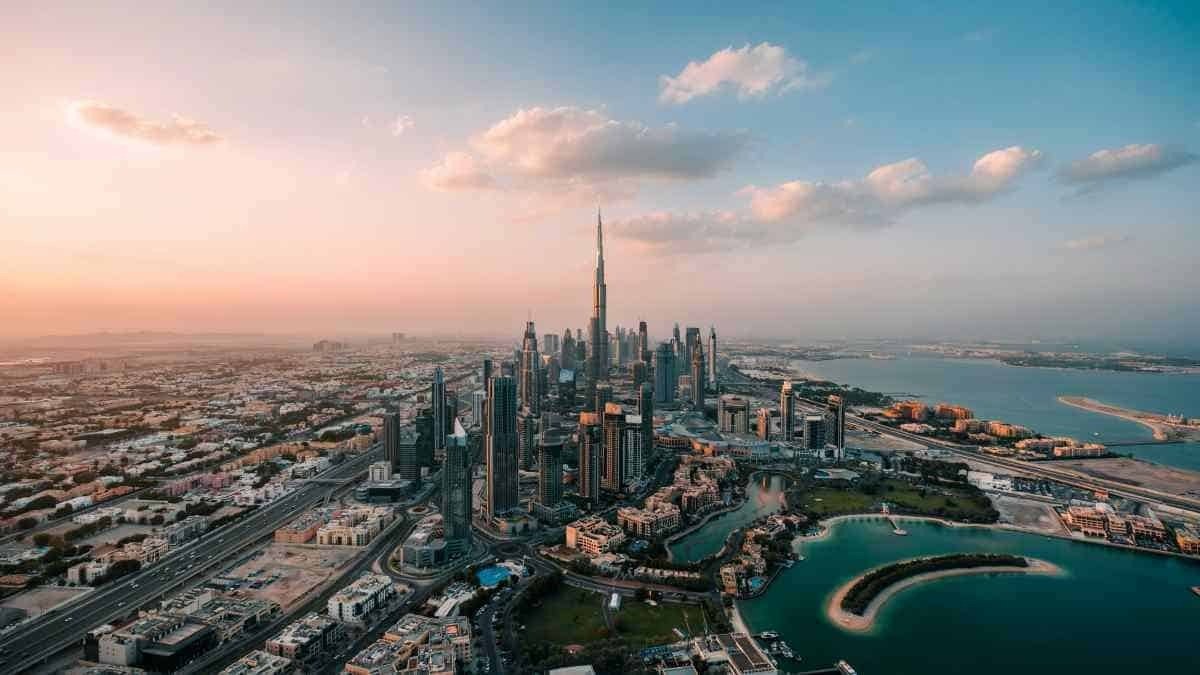
The Burj Khalifa, located in Downtown Dubai, is once again calling on artists, designers, and creatives from the UAE and around the world to submit their ideas for a new projection on the famous landmark. Emaar has officially reopened its Burj Khalifa Open Call for 2026, giving one artist the opportunity to showcase their work to millions of visitors.
The Competition
The competition is looking for an original three-minute audio-visual projection that reflects Dubai's creativity, innovation, and artistic spirit. The winning design will be displayed on the Burj Khalifa's exterior, offering the winner a chance to have their work seen on a global stage.To enter, artists will need to submit a 3-minute final video, an MP4 preview with embedded music, a high-resolution MOV projection file, and a 300-word concept note outlining the idea and inspiration. Submissions are now open and will be accepted until Tuesday, August 18, 2026, at 11:59pm. Artists can email their submissions to opencall@emaar.ae.
This year, the incentive for participating lies in the visibility of having original work projected across one of the most recognized skyline landmarks globally, rather than a monetary prize. The shift marks a notable change from the 2025 edition, which was limited to UAE residents, signaling Emaar's push toward a more global creative footprint.
The Burj Khalifa Open Call is a compelling case study in how iconic landmarks can be used to promote creativity and innovation. With the competition now open to artists from around the world, it will be interesting to see the diverse range of submissions and the final winning design that will be displayed on the Burj Khalifa's facade.
In the heart of Dubai, this competition is set to bring the community together, showcasing the city's vibrant artistic spirit. As the submission deadline approaches, artists are encouraged to take part in this unique opportunity to have their work displayed on the world's tallest building.