How Al Qaeda Fragmented and Shifted Focus 25 Years After 9/11
Twenty-five years after 19 hijackers commandeered four passenger jets on September 11, 2001, killing nearly 3,000 people, the network founded by Osama bin Laden operates under a transformed structure. What began as a centralized command base in Afghanistan has spent a quarter-century fragmenting into regional affiliates across Africa and the Middle East, reshaped by targeted counterterrorism campaigns and internal ideological rivalries.
From Central Command to Regional Splinters
Al Qaeda first emerged in the late 1980s as a transnational network under bin Laden, who had recruited and funneled support to Arab volunteers fighting the Soviet invasion of Afghanistan after 1979. After his expulsion from Sudan in 1996, bin Laden re-established sanctuary in Afghanistan, setting up foreign fighter training camps and declaring a “World Islamic Front” in 1998 that mandated attacks on Americans and their allies.
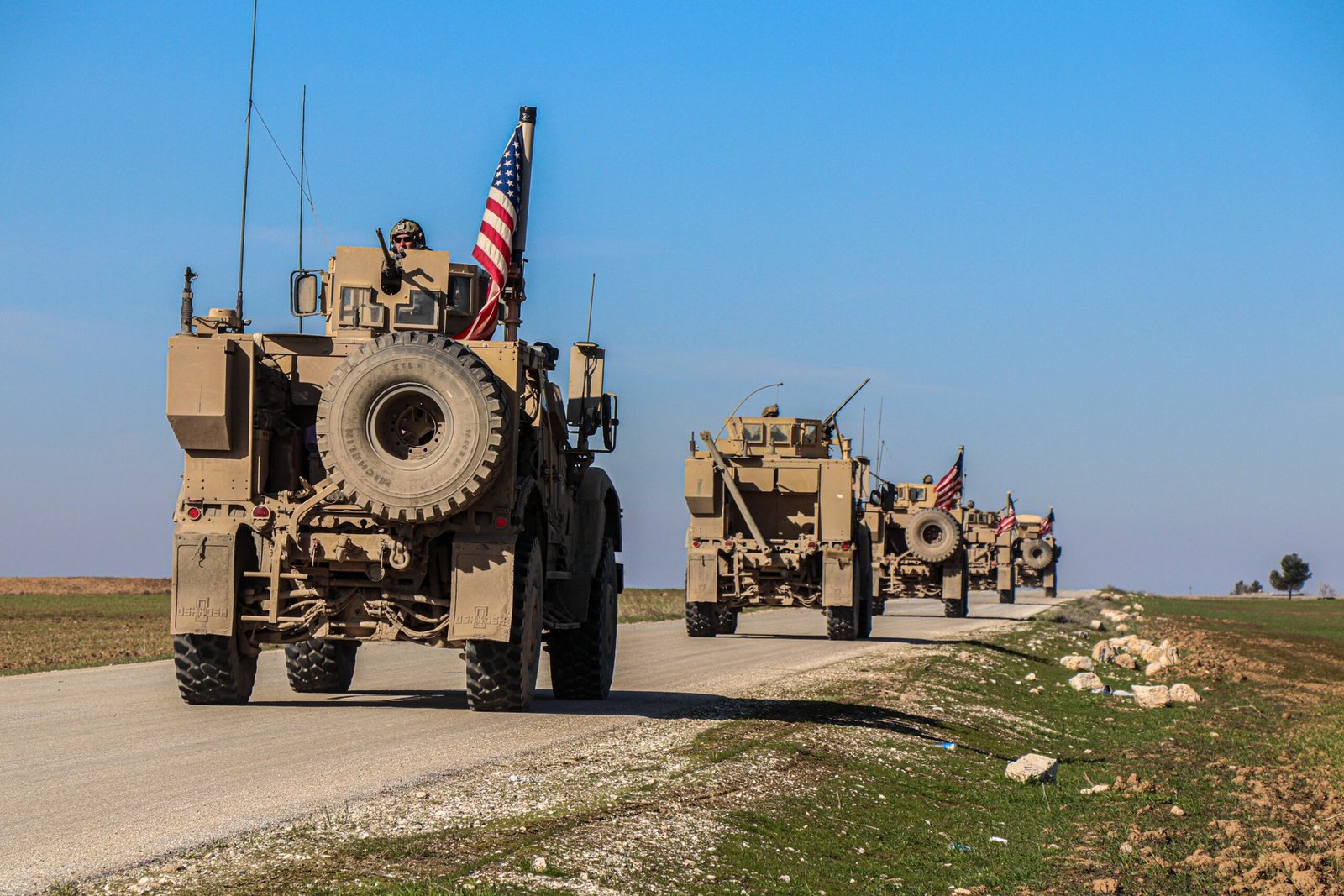
Following the US invasion of Afghanistan in October 2001 and the collapse of the network’s Tora Bora stronghold two months later, the leadership scattered. According to research from the Royal United Services Institute (RUSI) in London, the group’s global influence peaked around 2013. Shortly after, its powerful Iraqi branch broke away to form Daesh, creating a fierce regional rival for radical recruits and resources. Today, security analysts note that while core operations have waned, Al Qaeda continues to act as a primary source of ideological support and direction for local insurgencies, particularly across Africa.
The Decimation of Key Leadership
The senior command structure that planned the September 11 attacks has been systematically dismantled over two decades of military operations and legal proceedings:
- Osama bin Laden: Evaded capture for a decade following the 2001 invasion before US special forces killed him during a raid on his compound in Abbottabad, Pakistan, in 2011.
- Ayman Al Zawahri: Took control of the organization after bin Laden’s death and led the core network until a US drone strike killed him in Kabul in 2022.
- Khalid Sheikh Mohammed: The self-professed coordinator who claimed in a 2007 military hearing to have planned the 9/11 strikes “from A to Z.” Captured in Pakistan in 2003, he remains held at Guantanamo Bay, Cuba. Following two decades of legal deadlock, a military judge recently ordered Mohammed and three co-defendants to stand trial before a tribunal in June 2028.
- Seif Al Adel: The veteran militant currently believed by security officials to serve as Al Qaeda’s de facto operational leader.
A Legacy of Transnational Strikes
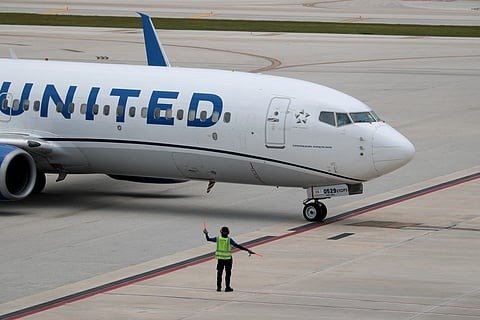
Before and immediately following the 2001 attacks in New York, Virginia, and Pennsylvania, where passengers famously stormed the cockpit of the fourth hijacked plane before it crashed in Pennsylvania, the group executed some of the deadliest coordinated bombings in modern history.
Its first US-recognized strike occurred in 1992, targeting Yemen hotels housing American military personnel. In 1998, Al Qaeda truck bombings at US embassies in Kenya and Tanzania killed 224 people. Post-9/11 affiliates and inspired cells launched major attacks worldwide, including the 2002 Bali nightclub bombings that killed 202 people, the 2004 Madrid train strikes that killed over 190, and the 2005 London transport bombings that claimed 52 lives.
While central command no longer exercises direct operational control over every franchise, regional branches, including those established in Iraq following the 2003 invasion and across North Africa in 2007, continue to anchor the organization’s remaining global footprint.