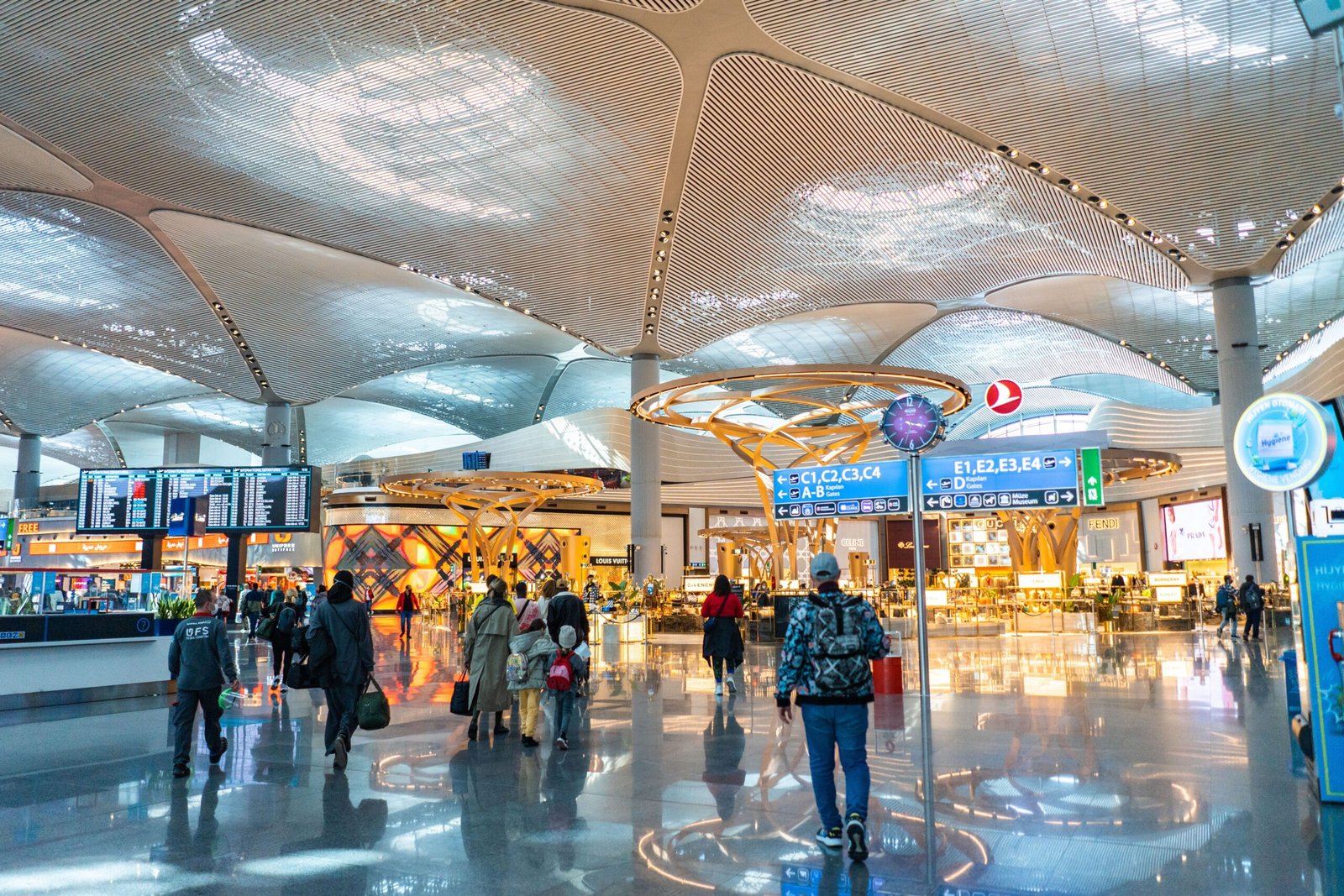
Dubai Airports Defy Regional Tensions, Operate Near Full Capacity
Dubai International Airport, a major hub in the UAE, is operating near full capacity despite the ongoing regional conflict. According to Paul Griffiths, CEO of Dubai Airports, the airport has maintained strong passenger traffic, with airlines rerouting flights and Emirates offsetting some foreign carrier shortfalls.
The airport’s resilience can be attributed to its effective management and the increased capacity provided by Emirates airline. As a result, Dubai Airport’s operations have not been significantly impacted by the regional tensions, and it continues to serve as a major transit point for travelers.
The strong passenger traffic at Dubai Airport reflects the UAE’s aviation infrastructure and its ability to adapt to challenging situations. With Emirates playing a crucial role in offsetting the shortfalls of foreign carriers, the airport has been able to maintain its operations and provide a seamless travel experience for passengers.
The fact that Dubai Airport is operating near full capacity is a positive sign for the UAE’s economy, which relies heavily on tourism and travel. The airport’s ability to withstand regional tensions and maintain its operations is a reflection of the country’s strong aviation infrastructure and its commitment to providing a world-class travel experience.
Regarding the Dubai Economic Agenda D33, the airport’s resilience and ability to operate near full capacity is a significant achievement. The agenda aims to make Dubai a leading hub for trade, tourism, and investment, and the airport’s performance is a key indicator of the city’s progress towards this goal.
As the regional situation continues to evolve, it is likely that Dubai Airport will remain a critical transit point for travelers. With its strong infrastructure and effective management, the airport is well-equipped to handle the challenges posed by regional tensions and continue to operate near full capacity.