Dubai Property Transactions Surge to AED419.9 Billion
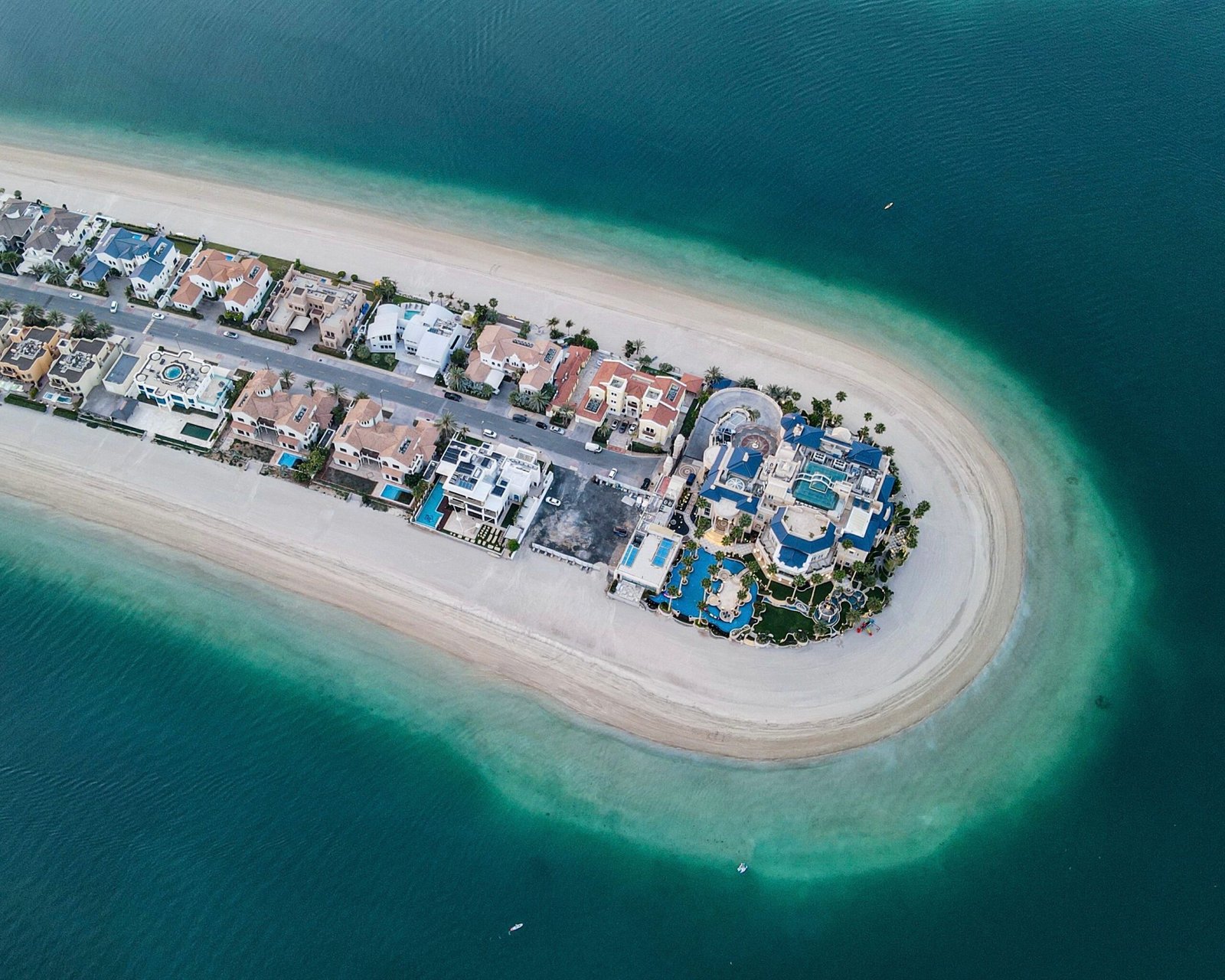
Dubai\’s real estate market recorded AED419.9 billion in transactions during the first half of 2026, with 112,850 transactions taking place. Local investors and property buyers were involved in 86,000 deals worth more than AED286.44 billion in real estate sales. Completed property sales accounted for the largest share of total real estate sales, reaching AED146.69 billion across 27,160 transactions, while off-plan property sales totalled AED139.75 billion through 58,840 transactions.
The Dubai Land Department\’s data revealed a significant surge in Dubai\’s off-plan office market, with sales reaching AED13.1 billion across 1,668 deals. This surpasses the sector\’s combined sales over the previous seven years, from 2019 to 2025, which totalled AED5.48 billion across 1,821 deals. The record off-plan office sales indicate strong investor confidence and robust growth in Dubai\’s property market.
The Dubai Land Department\’s report on the first half of 2026 comes after a period of steady growth in the emirate\’s real estate sector. In 2025, Dubai witnessed a significant increase in property transactions, with the total value of real estate transactions reaching a record high.
112,850 transactions were recorded in the first half of 2026, with the majority being off-plan property sales. The Dubai Land Department\’s data provides insight into the emirate\’s real estate market, highlighting the growth and demand for property in Dubai.
This surge in Dubai\’s property market can be attributed to the emirate\’s business-friendly environment and attractive investment opportunities. The record off-plan office sales are a reflection of the confidence of investors in Dubai\’s real estate sector.


Madonna, Justin Bieber Clash Backstage
Madonna, Bieber Reportedly Clash at World Cup Halftime
Madonna and Justin Bieber performed at the FIFA World Cup Halftime show, but according to a report, their different ideas about what makes a great performance may have caused some friction before they took the stage. Bieber wanted something "clean and controlled," while Madonna went for a dramatic and unforgettable spectacle, bringing dancers and drama to the stage.
The difference in approach allegedly became a source of tension, with a Daily Mail source claiming that neither artist wanted to feel like they played second fiddle. Bieber's mindset was focused on the music, without unnecessary risks or distractions, while Madonna believed a stage as massive as the World Cup Final's called for something people would be talking about for years.
In the end, both artists delivered their performances without overshadowing each other, and the halftime show got its big superstar moment. The actual football match was happening concurrently, but for those focused on the celebrity guest list, the real game was the sightings, including BTS's performance and interactions with fans and other celebrities.
The FIFA World Cup Halftime show's success can be attributed to the performances of various artists, including Madonna, Justin Bieber, and BTS, who all brought their unique styles to the stage. The event was a culmination of music, drama, and sports, making it an unforgettable experience for the audience.

US Imposes 50% Tariffs on Canadian Products
US Slaps 50% Tariffs on $20 Billion of Canadian Goods
The US has imposed new 50% tariffs on $20 billion worth of Canadian products, effective 30 days from the announcement on July 21, 2026. This move, taken by President Donald Trump's administration, is in response to what the US calls Canada's discriminatory treatment of American-made cars, alcohol, and dairy goods. The tariffs will apply to a wide range of goods, including dairy products, swimming pools, furniture, fishing rods, seeds, clothing, and wigs.
This decision affects Canadian exporters, particularly those in the dairy, furniture, and clothing industries, as they will now face a 50% tariff on their products entering the US market. The US Trade Representative's office estimates that the tariffs will apply to nearly $20 billion of imports from Canada, which is about 5.2% of the $382 billion worth of goods the US imported from Canada in 2025.
To comply with the new tariffs, Canadian businesses exporting to the US should review their product lines and assess the impact of the 50% tariff on their goods. They may need to adjust their pricing, explore alternative markets, or renegotiate contracts with US buyers. The tariffs are set to take effect on August 19, 2026, giving businesses a 30-day window to prepare for the changes.
The US Trade Representative, Jamieson Greer, stated that the tariffs are a response to Canada's retaliatory measures against previous US tariffs. Canadian Prime Minister Mark Carney has expressed willingness to engage in intensive talks to address outstanding trade issues with the US. The trade dispute between the two countries has been ongoing, with the US complaining about Canada's treatment of American goods and Canada responding with retaliatory measures.
| Product Category | Tariff Rate |
|---|---|
| Dairy products, swimming pools, furniture, fishing rods, seeds, clothing, and wigs | 50% |

FIFA investigation into World Cup final brawl
FIFA Probes World Cup Final Brawl
FIFA has appointed a disciplinary and ethics prosecutor to investigate the post-match brawl that erupted after Spain's 1-0 extra-time victory over Argentina in the World Cup final. The incident occurred after Spain secured their second World Cup title, courtesy of an extra-time winner from winger Ferran Torres. Argentine midfielder Leandro Paredes clashed with several Spanish players, including defender Eric Garcia and midfielder Gavi, triggering a broader brawl between the two sets of players.
The investigation will review potential breaches of the FIFA Disciplinary Code, following violent clashes between players and staff after the match. No timeframe was given for the conclusion of the investigation. The disciplinary and ethics prosecutor will examine the incidents, which included Leandro Paredes clashing with Spanish players, and other alleged violent conduct by players and staff.
The World Cup final was marred by controversy, with Argentina being reduced to 10 men in the 93rd minute of normal time when Enzo Fernandez was sent off for a second yellow card. The match ended with a 1-0 victory for Spain, but the post-match brawl overshadowed the celebrations.
This incident is reminiscent of past controversies in the World Cup, such as the infamous Zinedine Zidane headbutt in the 2006 World Cup final. The FIFA investigation will aim to determine the severity of the breaches and impose appropriate sanctions.

UAE Sets 15 as Minimum Age for Social Media Use
UAE Introduces New Social Media Regulations for Minors
The UAE has implemented new regulations that prohibit children under the age of 15 from independently creating or using social media accounts. According to Mohammed Al Zarooni, Director of Strategic Planning at the National Media Authority, this move aims to safeguard children from exploitation and encourage safer digital participation through parental supervision. The new rules, approved by the UAE Cabinet, make the UAE the first Arab country to set a minimum age for social media use.
This regulation is expected to have a positive impact on the younger generation, as it will encourage them to use social media platforms with the supervision of their parents. Teenagers aged 15 to 16 will be allowed to use social media, but they will be subject to enhanced safeguards, including age-based content controls, parental supervision, and restrictions on interacting with unknown users. Social media platforms must implement robust age verification measures using digital ID and AI, and they have 12 months to comply with the new regulations.
The National Media Authority believes that these measures will not significantly impact the creator economy in the UAE. Instead, they could encourage safer participation on digital platforms and support the long-term growth of the sector. The move is part of the UAE's efforts to protect children from inappropriate content, online risks, and excessive use.
Social media companies operating in the UAE will be required to enforce the prohibition on children under 15 creating or using personal social media accounts. They must also implement effective and reliable age verification mechanisms, such as digital identity verification and biometric tools, and parental control tools.
The UAE's decision to set a minimum age for social media use is a significant step towards ensuring the online safety of children. By introducing these regulations, the UAE aims to create a safer digital environment for its young citizens and promote responsible social media use.
| Category | Details |
|---|---|
| Minimum Age | 15 years old |
| Compliance Period | 12 months |
| Age Verification | Digital ID, AI |

UAE delivery platforms roll out heat safety measures
UAE Delivery Platforms Introduce Heat Safety Measures for Riders
As the midday break rules take effect in the UAE, delivery platforms such as Careem and Talabat are rolling out heat safety measures to protect their riders from the extreme heat. In Dubai, where temperatures can soar up to 41.2°C, these measures are crucial to ensure the health and safety of delivery riders.
The new heat safety measures include capping orders at three during peak heat hours, which typically last from 12:30 PM to 3 PM. This cap is designed to limit the total delivery time to 60 minutes, reducing the exposure of riders to the extreme heat. Additionally, over 12,000 cooling stations have been made available across the country, providing riders with a safe and cool place to take a break.
The Ministry of Human Resources and Emiratisation (MoHRE) has implemented the midday break rules to protect workers, including delivery riders, from the extreme heat during the summer months. The rules, which are in effect from June 15, 2026, to September 15, 2026, aim to reduce the risk of heat-related illnesses and ensure the well-being of workers.
The introduction of heat safety measures by UAE delivery platforms is a welcome move, and it demonstrates their commitment to the health and safety of their riders. By providing access to cooling stations and capping orders during peak heat hours, these platforms are taking proactive steps to mitigate the risks associated with extreme heat.
The midday break rules and heat safety measures are part of a broader effort by the UAE authorities to protect workers and ensure their well-being during the summer months. As the country continues to experience extreme heat, it is essential for employers and platforms to take proactive measures to safeguard the health and safety of their workers.
In the UAE, the summer months can be challenging for delivery riders, who often have to work in extreme heat for extended periods. The introduction of heat safety measures by UAE delivery platforms is a positive step towards reducing the risks associated with heat-related illnesses and ensuring the well-being of riders.