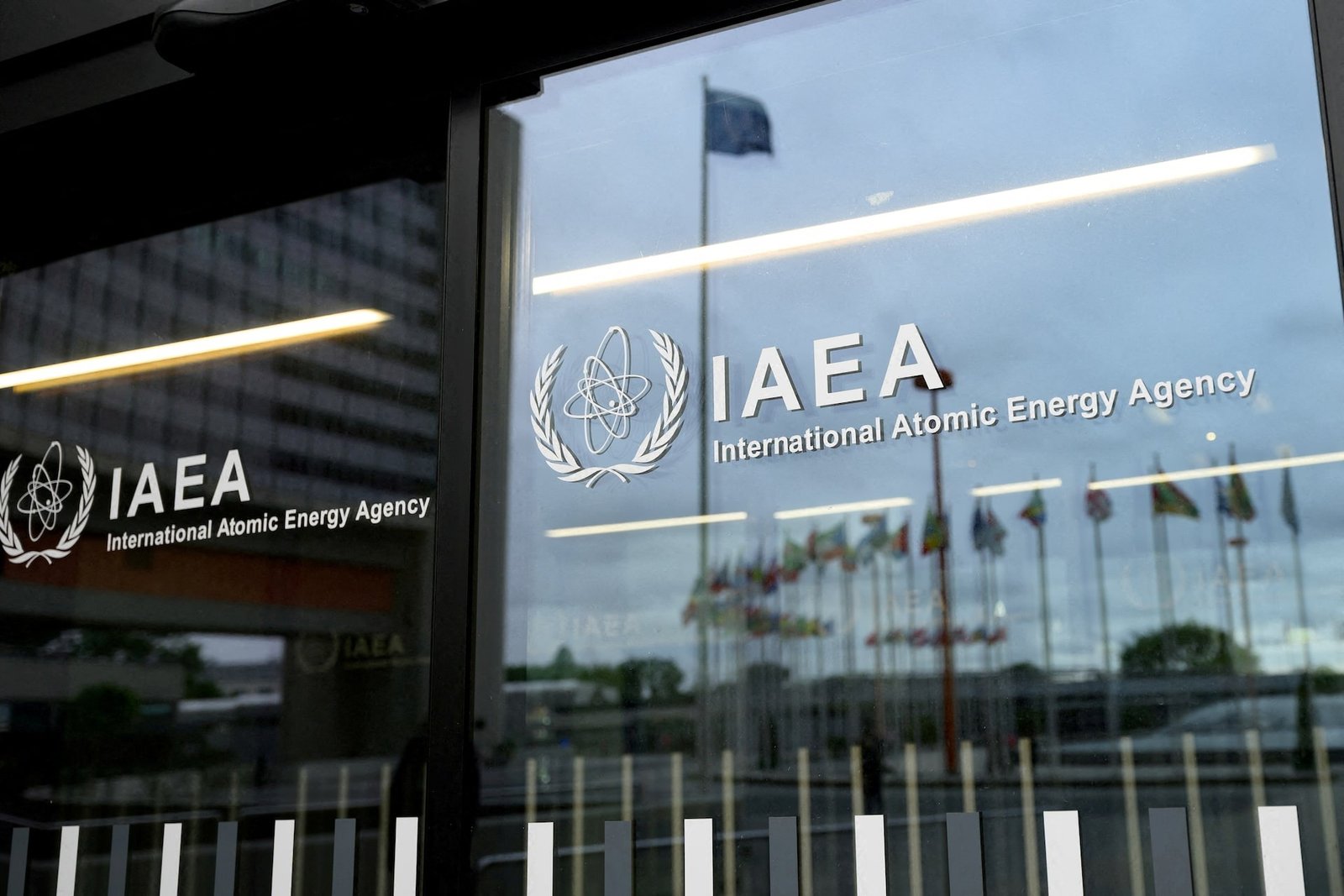
UN nuclear watchdog votes 23-3 to report Iran to Security Council
The International Atomic Energy Agency’s board of governors voted on Wednesday in Vienna to refer Iran to the United Nations Security Council over nuclear non-compliance. The move escalates diplomatic pressure on Tehran, raising immediate strategic implications for international defense monitors, global energy markets, and regional security analysts.
Western powers secure 23-vote majority as Russia and China oppose referral
The resolution, submitted jointly by Britain, France, Germany, and the United States, passed with 23 votes in favor, three against, and eight abstentions. Russia, China, and Niger voted against the text, which formally requests IAEA Director General Rafael Grossi to submit a report on Tehran’s reporting failures to both the UN Security Council and the General Assembly.
The IAEA has been unable to access primary Iranian nuclear sites since a 12-day military conflict involving Israel and the United States damaged facilities in June 2025. Following subsequent strikes in hostilities that erupted on February 28, the watchdog has repeatedly requested entry to inspect ongoing operations. Before losing access in mid-2025, agency metrics indicated Iran held roughly 440 kilograms of uranium enriched to 60 percent purity, a level nearing weapons-grade capability and far exceeding the 3.67 percent threshold established under the defunct 2015 nuclear pact.
Iran’s ambassador to the UN in Vienna, Reza Najafi, rejected the resolution as a political tool following the vote. Tehran will cooperate with inspectors only to the extent that local safety and circumstances permit, according to Najafi.
This resolution marks the first time in 20 years that the UN nuclear watchdog has formally referred Iran to the Security Council for failing to comply with its atomic reporting obligations.
Separately, reports on 15 October said the US military has drawn up strike options on Iranian nuclear sites that include the MOAB bomb: see US weighs MOAB in Iran strike plans, report says.