Strait of Hormuz Oil Surges Past $100 as Iran Widens Prohibited Zone
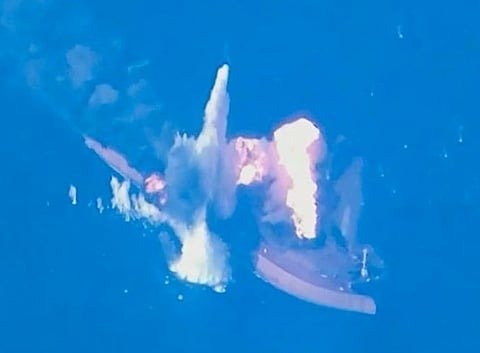
Iran attacked more than a dozen commercial and military vessels attempting to traverse the Strait of Hormuz on Wednesday while expanding its maritime prohibited zone outside the strategic waterway. The escalating military conflict and a corresponding surge in Brent crude prices directly impact global energy markets, shipping operators, and international transport sectors operating through the vital energy conduit.
Revolutionary Guards Target Multiple Vessels and Expand Enforcement Boundaries
Brent crude closed at $101.21 per barrel after Iran’s Revolutionary Guards reported attacking two United States vessels, eight oil tankers, and ten non-compliant ships trying to clear the passage. The United Kingdom Maritime Trade Operations confirmed that several vessels across the Gulf of Oman and the Persian Gulf were subjected to disabling fire amid active military engagements. The confrontation escalated further when the Revolutionary Guards struck a US military base in Jordan in retaliation for American forces destroying five Iranian oil tankers a day earlier. Jordan’s military stated that its air defense systems intercepted and shot down 18 missiles fired during the exchange.
Simultaneously, the International Atomic Energy Agency board of governors voted 23 to 3, with eight abstentions, to refer Iran to the United Nations Security Council over nuclear non-compliance. Iran’s representative to the UN nuclear watchdog rejected the resolution as the product of US pressure, asserting it lacks legal basis.
The Revolutionary Guards’ spokesman, Hossein Mohebi, outlined conditions for ending the hostilities, demanding that Washington withdraw Israeli forces from Lebanon, lift the blockade of Yemen, release $24 billion in frozen Iranian assets, and halt interference in the country’s missile and nuclear programs. US President Donald Trump stated during a press briefing that the conflict will conclude immediately following the November mid-term elections due to mounting economic pressure on Tehran. However, confidential reports cited by the Wall Street Journal indicate that senior American advisers warn the confrontation could extend throughout the remainder of Trump’s presidential term. In southern Syria, Israeli Prime Minister Benjamin Netanyahu claimed during a military visit that the Iranian government is nearing collapse.