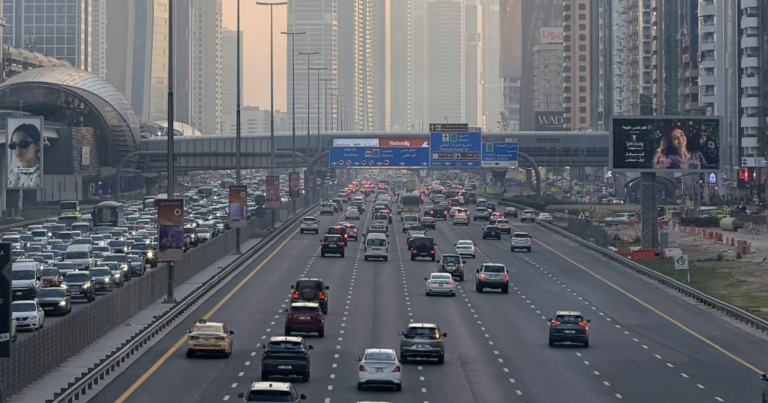
UAE flag message spreads as unity symbol
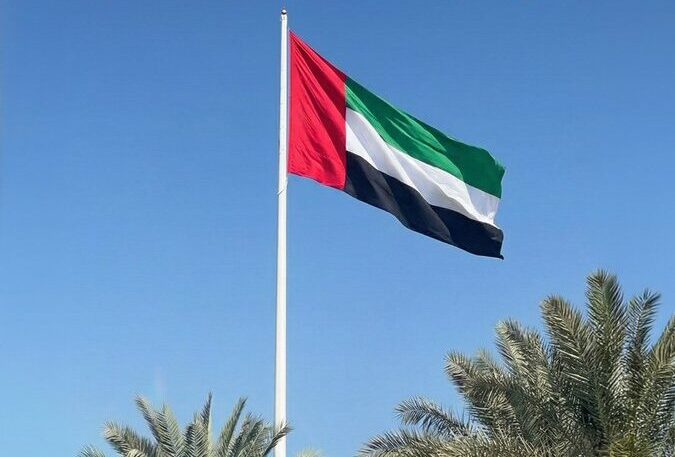
Sheikh Mohammed bin Rashid Al Maktoum has called on government entities, private institutions and residents across the UAE to fly the national flag as a visible expression of unity, strength and solidarity.
The message describes the UAE flag as a symbol of pride, unity, and a nation that continues to progress with purpose and ambition. It includes a prayer for the country’s leadership and people. The post connects to ongoing leadership messaging that encourages visible public support for the nation through the flag.
UAE leaders have carefully framed the flag-display campaign as a practical and meaningful everyday act that not only fosters and strengthens social cohesion among the diverse population but also serves as a powerful signal of resilience and unity during challenging and difficult moments faced by the nation.
Across the United Arab Emirates, the UAE flag is prominently displayed on government buildings, schools, private companies, and homes, making it a highly visible national symbol in daily life. Civic education often explains the flag’s colors as representing core national values like strength, courage, peace, and prosperity, reinforcing a shared identity.
- Key message: The UAE flag is being highlighted as a symbol of pride, unity and forward ambition.
- Leadership context: Sheikh Mohammed bin Rashid Al Maktoum has urged visible flag displays as a sign of solidarity.
- Where it applies: Nationwide, across homes, workplaces, schools and public spaces in the UAE.
- Why it matters: Flag campaigns are used to strengthen social cohesion and resilience during crises and national reflection.
UAE leaders urged residents and institutions across the country to display the national flag as a symbol of unity and strength, with Sheikh Mohammed bin Rashid Al Maktoum leading the call for solidarity.
The campaign messaging emphasises national pride and cultural cohesion, urging communities to display the flag to underline shared identity and solidarity.
Dubai Police warn sudden lane changes can cause serious crashes
Dubai Police warn against sudden lane changes
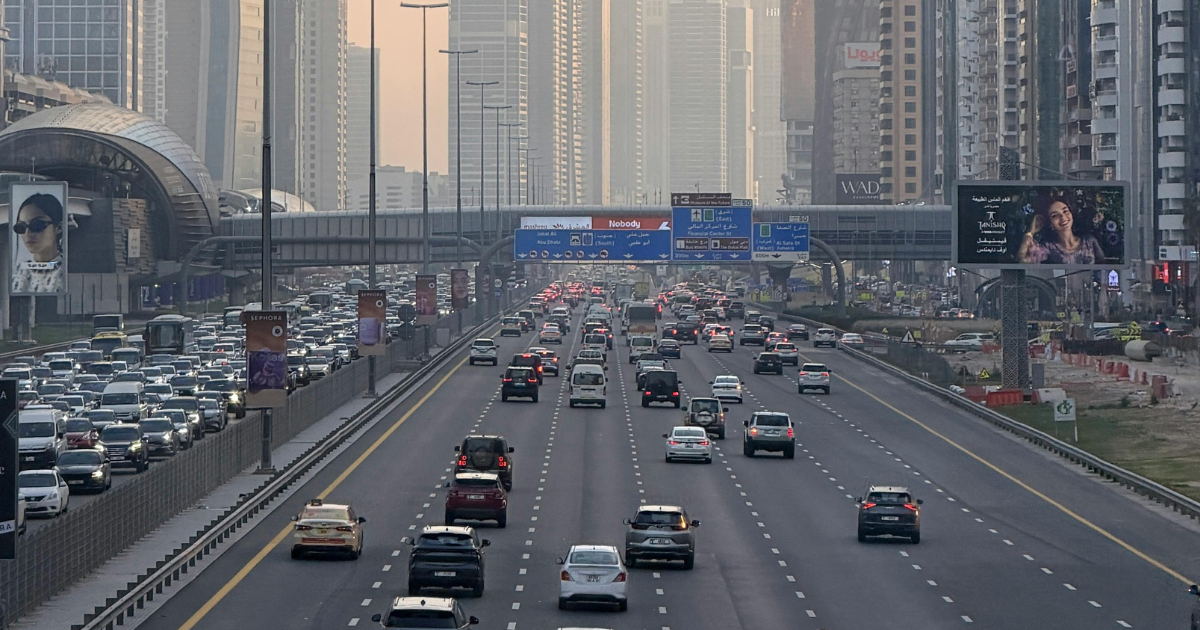
Dubai Police have issued a warning that sudden lane changes and swerving are increasingly linked to serious crashes across the emirate. The reminder matters for daily commuters and businesses because one abrupt move on Dubai's high-speed roads can trigger multi-vehicle collisions, injuries, and long delays.
The Dubai Police warning on sudden lane changes focuses on last-second manoeuvres that reduce predictability for other drivers, especially when traffic is dense and speeds vary between lanes. Authorities urged motorists to change lanes safely and avoid cutting in at the final moment, as these actions can quickly escalate into major incidents.
On busy corridors and interchanges, safe lane changes depend on clear signalling, checking mirrors and blind spots, and moving only when there is a safe gap. Dubai Police road safety messaging also stresses staying consistent in your lane and planning early for exits, rather than swerving across lanes near slip roads and merges.
In Dubai, where roads are designed for high-capacity, high-speed travel, a single swerve can set off chain-reaction braking and side-swipes that block lanes and slow traffic for everyone behind. The impact is immediate on routes feeding business districts and residential communities, and it also adds pressure on emergency response resources when serious crashes occur.
Common scenarios include drivers realising too late they are about to miss an exit, trying to jump queues near interchanges, or weaving through traffic to gain a few car lengths. These situations are especially risky around merges and exits, where vehicles are already changing speed and position.
- Authority: Dubai Police
- Location: Dubai, United Arab Emirates
- Main risk highlighted: Sudden lane changes and swerving linked to serious crashes
- What drivers are told to do: Change lanes safely and avoid last-second manoeuvres
Check your route early, signal before moving, and avoid cutting across lanes near exits and merges.
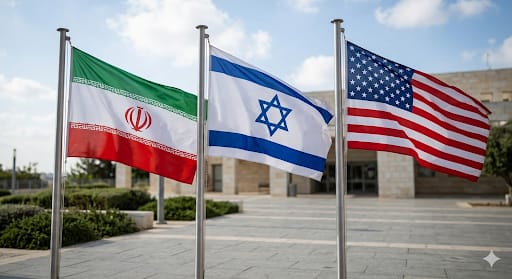
US Iran Ceasefire Starts; Strait of Hormuz Reopens for Now
Hormuz shipping risk drops after US–Iran pause
A two-week US Iran ceasefire has started, with Tehran temporarily reopening the Strait of Hormuz reopened route that underpins UAE import flows and Gulf energy shipments, cutting immediate disruption risk across a world wide economic sectors including in Dubai. The United States and Iran announced a two-week ceasefire on April 7, 2026, triggering the temporary reopening of the Strait of Hormuz after days of heightened disruption risk.
Under the ceasefire terms, Iran is required to halt attacks and keep the Strait of Hormuz open to international shipping for the duration of the two-week truce pending a deal with the factions
Impact on shipping, fuel, and travel in the UAE
For UAE logistics and retail supply chains, the immediate concerns are vessel schedules and insurer advisories related to Hormuz transits into Jebel Ali Port (DP World) and Port Rashid, along with onward trucking into industrial zones such as JAFZA, Al Quoz, and Dubai Industrial City. A reopened strait reduces short-term rerouting pressure and stabilizes delivery windows for containerized imports that supply supermarkets and construction sites across Dubai, Sharjah, and Ajman.
On diplomacy, UAE messaging frames the de-escalation as a strategic win for regional stability, aligning with Abu Dhabi's continuity-of-trade priority through hubs such as Khalifa Port (Abu Dhabi Ports) and Dubai's re-export engine through Jebel Ali.
At a glance for UAE residents and businesses
- Ceasefire length: Two weeks between the United States and Iran
- Maritime change: Tehran temporarily reopened the Strait of Hormuz
- Diplomatic track: Iran floated a 10-point proposal to end escalation
- UAE posture: Officials framed de-escalation as a strategic win for stability
- Global forum: UN Security Council failed to act on the Hormuz crisis
International bodies welcomed the April 7, 2026 ceasefire and called for a durable settlement to prevent renewed threats to shipping through the Strait of Hormuz.

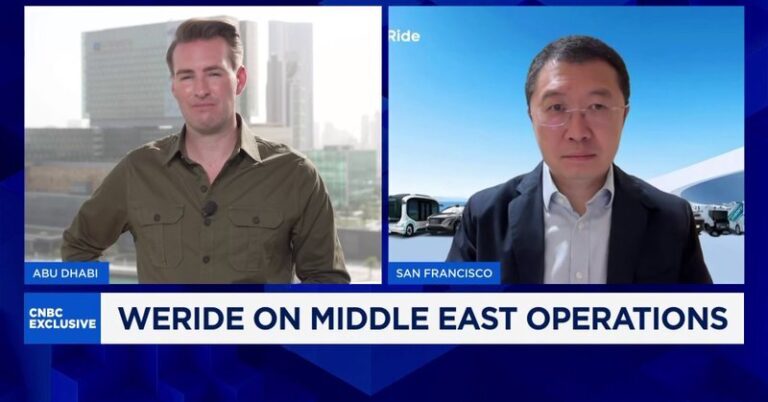
Fully Driverless Robotaxis Go Live in Dubai With Uber + WeRide
Driverless Uber robotaxis start operating in Dubai
Dubai residents can now book a WeRide Dubai robotaxi through Uber as fully driverless robotaxi services have started in the emirate. This marks a commercial advancement in autonomous mobility under the oversight of the Roads and Transport Authority (RTA) and supports Dubai's 2030 target to shift 25% of journeys to autonomous transport.
| Milestone | Confirmed target/date |
|---|---|
| Dubai fully driverless robotaxi service started | April, 2026 |
| Regional fleet plan announced by WeRide and Uber | 1,200 robotaxis across the Middle East by 2030 |
| Dubai policy goal for autonomy share | 25% of journeys autonomous by 2030 |
Impact on daily trips and how rides will be managed
The Uber WeRide driverless Dubai rollout is part of Dubai's regulated transport framework, managed by the RTA. This framework oversees staged deployments for new mobility services and links operations to specific service areas, safety protocols, and incident handling procedures throughout the city's road network.
The Dubai rollout is recognized as the first commercial Level 4 robotaxi service worldwide, placing Dubai at the forefront of high-autonomy passenger transport. The service operates without a driver, with no safety driver present during passenger trips booked through the Uber app.
The regional scale plan, featuring 1,200 robotaxis across the Middle East by 2030, positions Dubai as the launchpad for cross-border expansion. This expansion must be localized for each market's road rules, telecom requirements, and insurance structures. Meanwhile, Dubai's own 2030 autonomy target maintains pressure on integration with RTA's multimodal network.
At a glance
- Operators: WeRide and Uber
- Service type: Fully driverless robotaxi rides in Dubai
- Policy alignment: RTA-linked push toward 25% autonomous journeys by 2030
- Regional scale goal: 1,200 robotaxis across the Middle East by 2030
- Public signal: Dubai moves from pilots to live driverless operations
The launch was positioned as a commercial step beyond pilot programmes, with operations taking place under RTA oversight and permit conditions.
Check your Uber app for the robotaxi option before you travel, and confirm the pickup point. Also note that booking only available in specific places before city wide

Dubai Rent Renewals 2026: Negotiate Cheques, Inclusions, Price
Dubai tenants gain leverage as rent growth cools
Across Dubai communities, from Jumeirah Village Circle (JVC) to Dubai Marina, tenants renewing an Ejari-registered lease in 2026 are negotiating more assertively as annual rental growth slows to about 4-6%. This practical advantage increases the likelihood of securing a lower renewal figure or improved terms by using the RERA Rental Index and comparable listings to challenge the landlord's initial quote.
Impact on Dubai tenancy renewals and payment terms
At renewal, the legal anchor remains Dubai Land Department's RERA Rental Index, which landlords and tenants use to benchmark any proposed increase for units in areas such as Business Bay, Downtown Dubai, and Al Barsha. Tenants can strengthen negotiations by presenting comparable listings (same tower, layout, view, parking allocation) from current listings and recent deals, then requesting a revised offer aligned with the index position for that unit type.
Negotiations in Dubai often extend beyond the headline rent to include cheque structure and cash-flow terms, particularly for tenants using post-dated cheques through local banks. In buildings managed by major operators in Dubai Hills Estate and JLT, tenants frequently exchange a quicker renewal decision and a clean payment history for fewer cheques, a fixed renewal date, or a written commitment on response times for maintenance issues.
Inclusions serve as a secondary factor. Tenants negotiate aspects such as parking spaces, repainting, deep cleaning, minor repairs, and appliance replacements, with these agreements documented in the tenancy addendum attached to the Ejari record. Since utilities and cooling arrangements differ by community, such as DEWA for electricity and water, and district cooling providers in areas like Dubai Marina and JBR, tenants ensure clarity on the division of costs between landlord and tenant before signing.
Policy discussions on rent caps and the transition to monthly rent payments are actively shaping housing conversations in Dubai. These discussions are already influencing renewal talks in Deira, Bur Dubai, and newer freehold clusters along Sheikh Zayed Road. Tenants seeking flexibility request payment schedules aligned with salary cycles. Meanwhile, landlords offer better terms for longer commitments and ensure clear documentation to maintain price certainty.
At a glance for Dubai rent negotiations
- Primary benchmark: RERA Rental Index for renewal increase positioning.
- Contract system: Ejari registration governs most long-term residential leases in Dubai.
- Negotiation targets: Rent, number of cheques, inclusions (parking/painting/cleaning), maintenance commitments.
- Market signal (2026): Annual rental growth running about 4–6%.
- Payment trend: Monthly rent payments are under active discussion as a market shift.
Dubai will begin allowing monthly residential rent payments from 2026, replacing the long-standing reliance on post-dated cheques as the default payment method for many leases. The shift to monthly payments is expected to be implemented through new payment rules that could reshape how tenancy contracts are structured at signing and renewal, including how landlords document payment schedules and enforce late-payment terms.
The monthly-payment move is positioned as a measure to make renting more accessible by aligning rent outflows with salary cycles and reducing the upfront burden associated with multiple-cheque structures.
Check the RERA Rental Index before you reply to a renewal notice, then send your landlord a single counteroffer that bundles rent, cheque count, and written inclusions, and file the agreed terms into the Ejari renewal so the building management in your community enforces them.
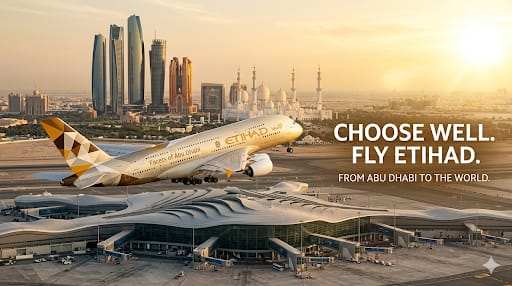
Etihad Fares Slashes Up to 50% for Abu Dhabi Flights (Apr–Jun)
Etihad cuts fares up to 50% for April–June
Abu Dhabi travelers can secure cheaper seats now, as the Etihad Fares Slashes offers up to 50% off on selected routes to Zayed International Airport for travel between April and June 2026. This is before late-June summer peak pricing reduces availability across Abu Dhabi and the wider UAE.
How to book the April–June discount window
Book travel dates between April and June 2026 through Etihad Airways direct channels, such as etihad.com and the Etihad mobile app, to access discounted inventory for specific flights and fare categories at Zayed International Airport (AUH). Etihad's revenue management offers the lowest prices with a limited number of seats per flight, so the cheapest options disappear as the cabin fills.
Check the price of the same itinerary across various departure days and times, as Etihad assigns different fare levels based on flight number and day of the week. Midweek departures through AUH often have lower fares compared to weekends when short-break demand into Abu Dhabi increases. For UAE residents connecting through Abu Dhabi, compare point-to-point pricing with through-fares that route via AUH to determine if the discount applies to the entire journey or only the inbound sector.
Ensure you review the total trip cost before making a payment. Etihad's initial fare may increase when you add baggage, seat selection, and change flexibility. For longer stays in Al Reem Island, Saadiyat Island, or Yas Island, choose the fare family that includes baggage to avoid higher costs later.
Plan for the seasonal price reset. As schools close and summer holidays begin, fares into Abu Dhabi and onward connections through AUH increase, and the cheapest booking classes sell out quickly. Travel from April to June also coincides with exam and end-of-term schedules for families in Abu Dhabi City, Khalifa City, and Al Raha, making this period suitable for short-notice trips before peak demand returns.
At a glance
- Airline: Etihad Airways
- Discount level: Up to 50% off on selected routes
- Travel window: April–June 2026
- Arrival airport: Zayed International Airport (AUH), Abu Dhabi
- Market driver: Softer Middle East travel demand amid regional uncertainty
Etihad Airways said it has cut fares by up to 50% on selected flights to Abu Dhabi for travel between April and June 2026 as part of a push to stimulate demand.
The discounted fares apply to flights to Abu Dhabi for travel during April, May and June 2026.
Check Etihad's calendar view for April–June 2026, then book immediately when the lowest fare appears on your preferred AUH flight; the cheapest seats are capacity-controlled and vanish as load factors rise ahead of late-June summer peak.