UAE Flight Status: Winter Capacity Surges as Carriers Adjust Schedules
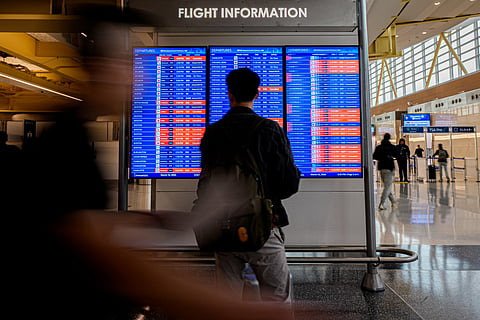
Scheduled departing seat capacity across the country’s airports has risen to 7.2 million in October, up 23 per cent from June, even as international carriers adjust schedules and maintain suspensions amid ongoing regional airspace restrictions. International travelers face a mixed operational environment as several European and Asian carriers revise return dates while regional security incidents impact specific routes.
Dubai International Airport accounts for 4.6 million seats of the national total, followed by Zayed International Airport in Abu Dhabi with 1.7 million and Sharjah International Airport with 840,000. Among domestic carriers, Emirates is offering 3.1 million seats this month, while flydubai recorded the strongest capacity growth, increasing its seats by 27.5 per cent since June to 1.1 million. Up to 36 weekly flights between Dubai and Europe are expected to return between late October and December, alongside restored services to Athens and Manila.
Airlines have adopted varied timelines for restoring services. British Airways is scheduled to resume Dubai flights on November 3. Lufthansa postponed its Dubai return to November 25 from an earlier October target, while SWISS and Eurowings postponed their autumn returns without confirming revised dates. ITA Airways keeps its Dubai services suspended until November 30. Singapore Airlines extended the suspension of its SQ494 and SQ495 services between Singapore and Dubai through February 28, 2027, citing regional geopolitical conditions and offering full refunds to booked passengers.
Flights operated by Iranian airlines, including Iran Airtour, remain suspended until further notice. Additionally, Emirates and flydubai codeshare operations to and from Tel Aviv remain suspended following a September 30 security incident involving flight FZ1073, which diverted to Tabuk, Saudi Arabia.
Maritime and air corridors have also faced disruption. US Central Command reported clearing internationally recognized primary transit routes in the Strait of Hormuz of Iranian sea mines after incidents involving oil tankers, while maritime agencies tracked vessel strikes near Iran’s Lavan Island and Oman.