Regional Travel Disrupted as UAE Airlines Adjust Gulf Flights
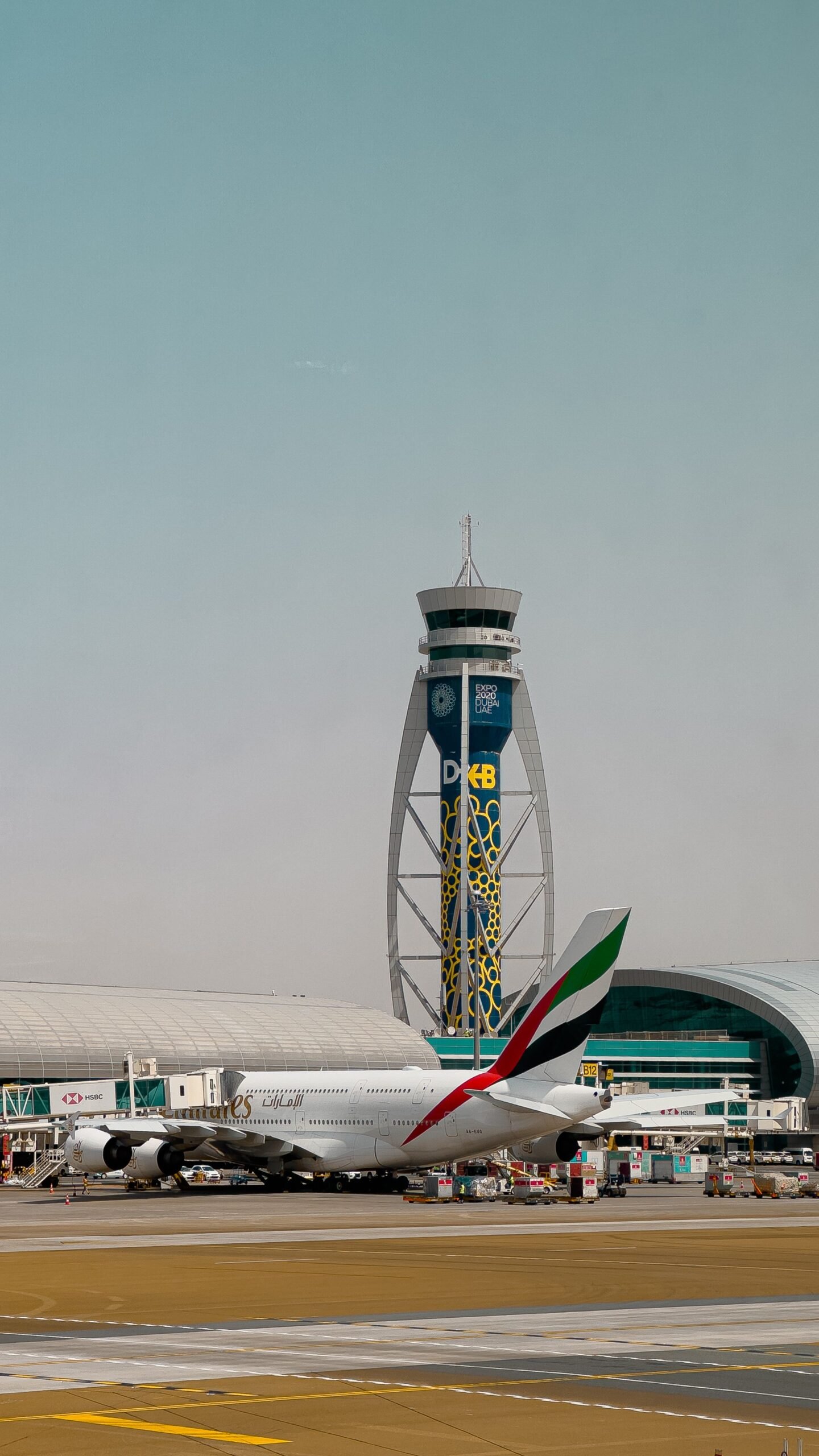
Departure halls at Dubai International and Abu Dhabi’s main aviation terminals face immediate schedule shifts tonight, August 21, as local carriers adapt to ongoing regional tensions. With airspace conditions under constant review, airlines operating out of the UAE have pulled back or altered several specific routes across neighboring destinations.
Flight Cancellations Hit Key Gulf Connections Across Local Carriers
Etihad Airways cancelled its Tel Aviv-Abu Dhabi service following unplanned industrial action at Ben Gurion International Airport. Emirates cancelled two scheduled Dubai-Bahrain flights, while Sharjah-based Air Arabia cut services linking the UAE directly to both Kuwait and Bahrain. Meanwhile, flydubai confirmed that its flights to Kuwait, Bahrain, and Saudi Arabia are running as scheduled, though the carrier was forced to cancel several of its other regional routes.
Escalating Geopolitical Pressures Drive Schedule Adjustments
The travel disruption unfolds alongside broader security developments across the Middle East. Iranian President Masoud Pezeshkian stated on Friday that it is time to end the months-long war with the United States, maintaining that Tehran is bargaining from a position of strength. His comments arrived as US President Donald Trump outlined plans for an “economic D-Day” against Iran, accompanied by new US Treasury Department sanctions targeting 10 individuals linked to a Hezbollah cash-transfer network.
In Lebanon, Hezbollah rejected the financial measures, while an Israeli air strike hit a residential building on the outskirts of Baraachit in the Bint Jbeil district. Addressing the sanctions, Chinese Foreign Ministry spokesman Lin Jian rejected economic pressure as a viable solution, urging all parties to seek a diplomatic resolution. Amid these regional shifts, the aircraft carrier USS Abraham Lincoln has begun a 13,000-mile, month-long journey back to San Diego after spending nearly nine months deployed at sea.
Local airlines continue to monitor regional security developments closely to make further flight adjustments as needed.