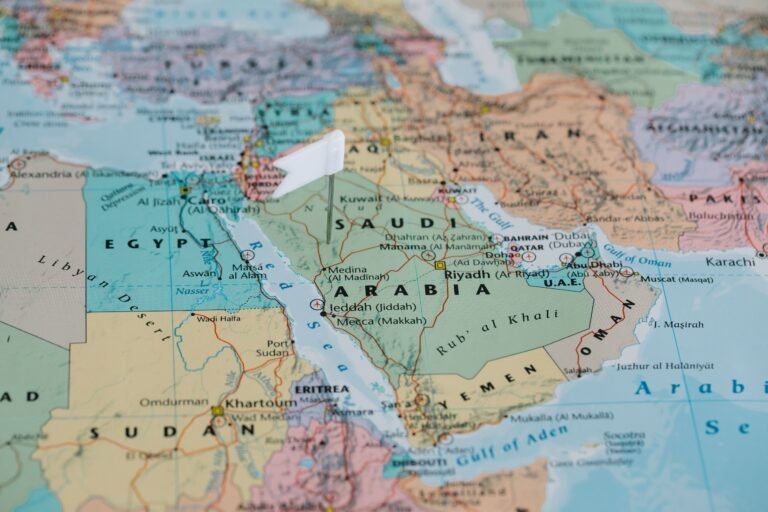
UAE Leaves OPEC: A Historic Energy Exit Starting May 1
UAE leaves OPEC effective May 1, 2026, in a sovereign, policy-driven decision that reshapes the country’s role in global oil markets. The UAE produces roughly 4% of the world’s oil , enough to shift market sentiment, price expectations, and supply planning across Asia and Europe the moment its output policy changes.
UAE Leaves OPEC: Sovereignty and Market Flexibility Drive the Exit
The UAE announced the withdrawal from the Organization of the Petroleum Exporting Countries ahead of the May 1, 2026 effective date, framing the move as a deliberate alignment with its long-term energy strategy. OPEC, which coordinates petroleum production targets among member states to stabilise crude prices and secure producer revenues, has counted the UAE as a key Gulf member for decades. Leaving the group removes the production ceiling constraints that come with membership and gives Abu Dhabi direct control over how much crude it pumps, at what price, and to which markets.
The UAE’s energy ecosystem , built around upstream production, refining, trading, and logistics , has increasingly pursued three parallel goals: extracting maximum value from hydrocarbon reserves, expanding petrochemicals and downstream operations, and accelerating investment in renewables and clean technologies. A policy framed around “market flexibility” points specifically to the ability to respond faster to demand shifts, manage spare capacity, and optimise revenue across different crude grades and export destinations without waiting for OPEC consensus.
What UAE’s OPEC Exit Means for Oil Prices and the Local Economy
The UAE Ministry of Energy and Infrastructure has positioned the exit as a sovereign decision, and markets are already recalibrating supply assumptions. With the UAE contributing approximately 4% of global oil production, even modest shifts in its output levels can move forward price curves and affect the planning assumptions of refiners and traders worldwide. For businesses operating from Abu Dhabi and Dubai , including aviation, shipping, construction, and financial services , the key variable is how quickly markets price in the new supply dynamic. If traders interpret the exit as a signal of higher future output, downward pressure on crude prices could follow, which would reduce fuel costs for airlines and logistics operators across the UAE.
| Factor | Detail |
|---|---|
| Exit Effective Date | May 1, 2026 |
| UAE Share of Global Oil Production | Approximately 4% |
| Stated Reason | Market flexibility and long-term energy strategy alignment |
| Decision Classification | Sovereign and policy-driven |
| Key Authority | UAE Ministry of Energy and Infrastructure |
| Primary Impact Sectors | Aviation, shipping, construction, financial services, energy trading |
- Production Autonomy: The UAE gains full control over its output levels without OPEC production quota constraints.
- Export Strategy: Abu Dhabi can now optimise crude grades and export destinations independently, targeting Asian and European refiners directly.
- Price Volatility Risk: Markets may reprice supply assumptions, increasing short-term crude price volatility for traders and industrial users.
- Energy Transition Alignment: The exit supports the UAE’s broader push to balance hydrocarbon revenue with accelerating investment in renewables and clean energy.
Monitor official updates from the UAE Ministry of Energy and Infrastructure and the OPEC Secretariat for confirmed production policy changes after May 1, 2026 , energy companies, traders, and logistics operators should revise cost forecasts and hedging strategies now.
Also ReadWorld Cup 2026 Round of 32 UAE Time
—
—
—