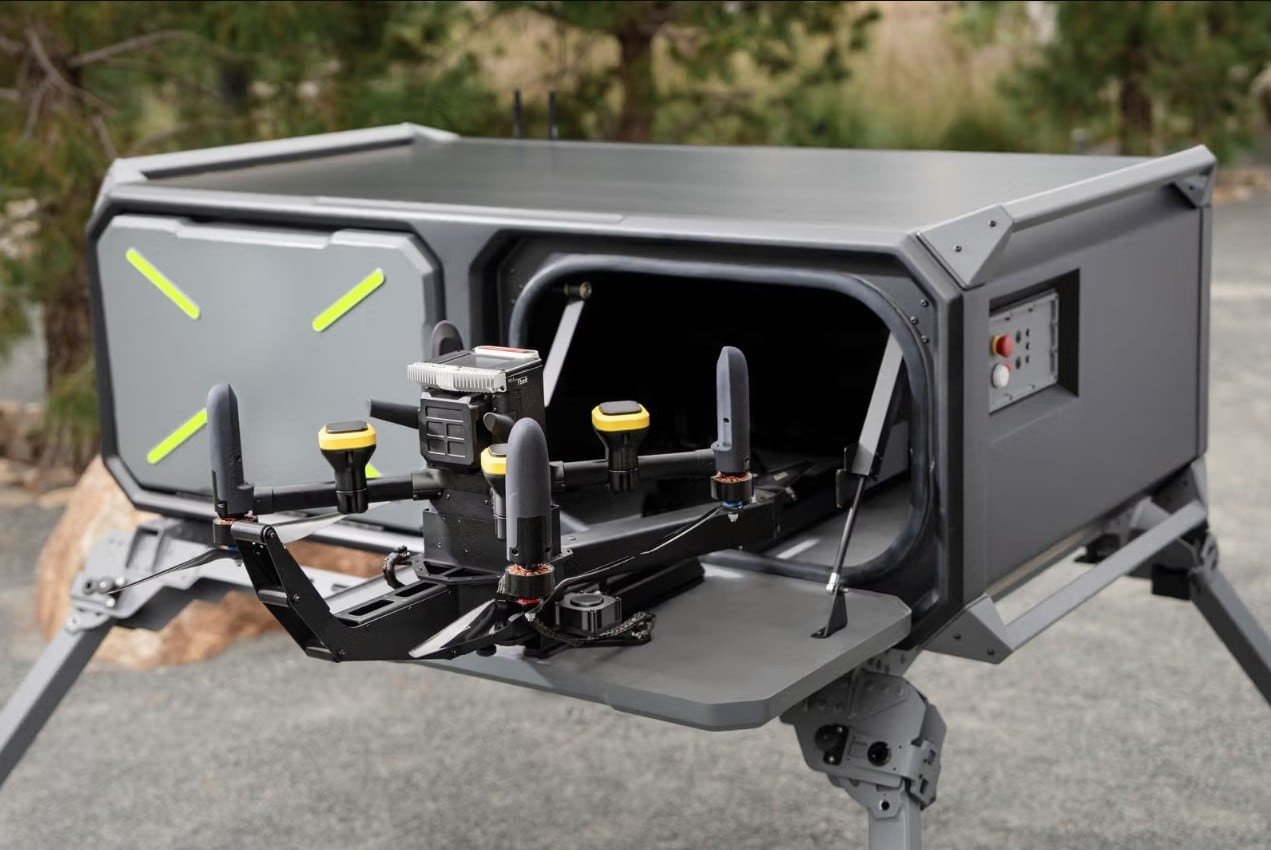
(Credit - The National)
US Authorises $2bn Sale to Kuwait to Counter Rising Drone and Missile Threats
The United States has authorised a potential $2 billion sale of counter-drone systems to Kuwait, announced on June 7, 2026, as the Gulf state faces repeated waves of missile and unmanned aerial vehicle attacks. The authorisation directly affects Kuwait’s military, airport operators, energy infrastructure, and port authorities, all of which sit within the threat envelope of low-cost drones and loitering munitions increasingly deployed across the region.
What the Counter-UAS Package Covers, and Why Kuwait Needs It Now
Counter-UAS systems, counter-unmanned aircraft systems, combine detection, tracking, identification, and defeat capabilities into layered defence networks. Detection typically relies on radar and radio-frequency sensors; defeat options range from electronic jamming and spoofing to kinetic interceptors capable of physically neutralising incoming threats. The package is designed to harden Kuwait’s airbases, energy sites, ports, and military installations against the kind of saturation attacks that have tested Gulf air defences in recent years.
The United Kingdom has separately deployed advanced counter-drone systems to Kuwait, signalling a coordinated allied effort to improve interoperability, accelerate training cycles, and close gaps in point-defence coverage. The parallel US and UK moves indicate that Kuwait’s defence partners view the threat environment as sufficiently urgent to act simultaneously rather than sequentially.
Gulf Security Calculus Shifts as Drone Threats Outpace Legacy Air Defences
For UAE-based defence contractors, logistics operators, and critical-infrastructure managers monitoring regional procurement trends, Kuwait’s upgrade signals a broader GCC shift toward layered, sensor-fused air defence at the site level, not just at the national perimeter. The UAE’s own defence procurement posture, overseen through the Ministry of Defence and coordinated with Abu Dhabi’s defence industrial base, has tracked counter-UAS capability as a priority since drone incidents began targeting Gulf infrastructure.
- Deal value: Potential $2 billion, authorised by the United States on June 7, 2026
- Purchaser: Kuwait
- System type: Counter-UAS, detection, tracking, identification, and defeat capabilities
- Allied parallel action: The UK has deployed advanced counter-drone systems to Kuwait independently
Kuwait’s $2 billion counter-drone authorisation is the most concrete signal yet that Gulf states are moving from reactive air defence to proactive, site-level protection against drone and missile saturation. The simultaneous US and UK deployments suggest allied partners have assessed Kuwait’s threat exposure as immediate rather than theoretical. For the wider GCC, the deal sets a procurement benchmark that other member states are likely to reference in their own defence planning cycles.*Source: The National / US Foreign Military Sales notification, June 7, 2026.*