60 Countries Hit with US Tariffs Over Forced Labor
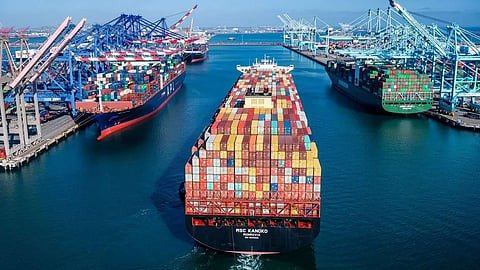
The US has imposed new tariffs on imports from 60 trading partners, including the United Arab Emirates, in a bid to combat forced labor in global supply chains. The move, announced under Section 301 of the Trade Act of 1974, affects 99.4% of US imports from the targeted economies and is expected to impact hundreds of billions of dollars in global trade.
The new framework imposes a 10% tariff on 17 trading partners that have adopted or committed to adopt stronger measures prohibiting imports linked to forced labor. The remaining economies, including major US allies such as the Philippines, China, Australia, Brazil, Thailand, and Vietnam, will face a 12.5% tariff on covered imports. The tariffs reflect each country’s efforts to prevent goods produced with forced labor from entering global supply chains.
The affected countries include Algeria, Angola, Argentina, Australia, Bahrain, Bangladesh, Brazil, Cambodia, Canada, Chile, China, Colombia, Costa Rica, Dominican Republic, Ecuador, Egypt, El Salvador, European Union, Guatemala, Guyana, Honduras, Hong Kong, India, Indonesia, Iraq, Israel, Japan, Jordan, Kazakhstan, Kuwait, Libya, Malaysia, Mexico, Morocco, New Zealand, Nicaragua, Nigeria, Norway, Oman, Pakistan, Peru, Philippines, Qatar, Russia, Saudi Arabia, Singapore, South Africa, South Korea, Sri Lanka, Switzerland, Taiwan, Thailand, Trinidad and Tobago, Türkiye, United Arab Emirates, United Kingdom, Uruguay, Venezuela, and Vietnam.
To comply with the new tariffs, businesses and traders must ensure that their supply chains are free from forced labor. This may involve conducting due diligence on their suppliers, implementing measures to prevent forced labor, and reporting on their efforts to the US authorities. The US Trade Representative, Jamieson Greer, has stated that the tariffs are aimed at encouraging countries to strengthen measures against forced labor in their supply chains.
The tariffs are expected to prompt renewed negotiations between Washington and several affected economies. The move is part of the Trump administration’s broader trade agenda, which has increasingly linked market access to labor standards, supply-chain security, and broader geopolitical objectives.
| Country | Tariff Rate |
|---|---|
| 17 trading partners (including UAE) | 10% |
| Remaining economies (including China, Australia, Brazil) | 12.5% |