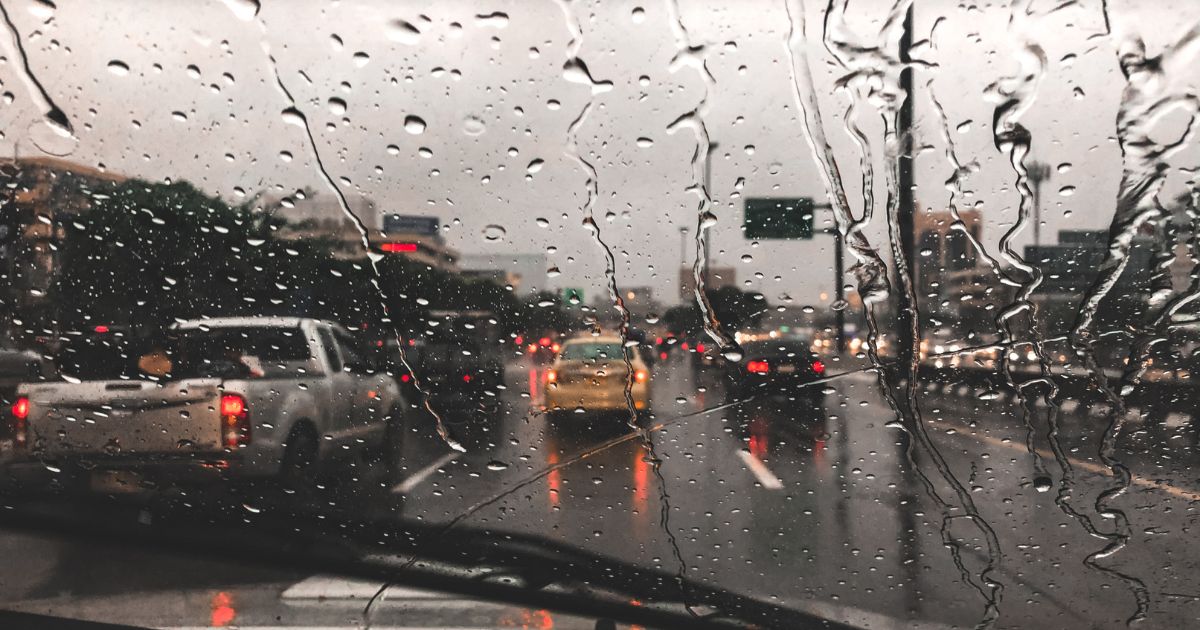
The weather warning in the UAE remains in effect. Forecasters and authorities report that unstable conditions will persist across the United Arab Emirates, with heavy rain, thunderstorms, hail, and strong winds expected in the coming days. Residents are advised to prepare for sudden downpours, stay updated with weather alerts, and prioritize road safety, as slippery roads and reduced visibility can quickly transform a routine drive into a slow and hazardous journey.
The system has already delivered several days of unsettled skies, with the forecast maintaining unsettled conditions through March 27. Beyond that, weather is expected to gradually improve, though not before additional bursts of heavy rain and storm activity occur. These storms may strike intensely but pass swiftly, leaving behind standing water, spray, and congestion.
At a Glance: The week’s weather risks
- When: Unstable conditions are expected to persist until at least March 27, then gradually improve.
- What to expect: Heavy rain, thunderstorms, hail and strong winds across the UAE, with fast-changing conditions.
- Main hazards: Slippery roads, reduced visibility, and localized flooding risk in low-lying areas and on waterlogged streets.
- What to do: Follow official weather alerts, adjust commute timing, and treat outdoor plans with caution, especially near wadis.
What this means for UAE residents
Unstable weather in the UAE follows a familiar pattern: a light shower can quickly escalate into a heavy downpour, followed by a thunderstorm, sometimes accompanied by hail. Even when rainfall amounts are moderate, intense bursts can overwhelm drainage systems in certain neighborhoods, causing water to pool on streets and increasing the risk of flooding in low-lying areas.
Authorities repeatedly emphasize the same crucial warning because it often represents the greatest danger. Reduced visibility caused by heavy rain, road spray, and wind-driven dust can be just as hazardous as the rain itself. If you plan to travel, allow extra time for school runs, office commutes, and cross-city journeys.
Key road and commute pressure points
For most people, rain in the UAE affects driving. Expect slower speeds on highways, longer travel times, and more minor accidents because braking takes longer and lane markings are hard to see due to water and glare.
Road safety tips during rain are the same across the Emirates. Keep a bigger gap between cars, avoid sudden lane changes, and watch out for standing water that can cause hydroplaning. Delivery delays and temporary route changes are also common when water builds up in usual traffic spots.
Outdoor risks, coastlines, and wadi safety
Thunderstorms and strong winds pose hazards extending beyond the roads. Gusts can shift outdoor furniture, scatter loose debris, and create rough conditions along coastlines. If you plan to visit the beach, drive in the desert, or engage in outdoor sports, be prepared to adjust your plans at a moment’s notice.
Wadi safety in the UAE is crucial during and after rainfall. Water levels can rise rapidly and unexpectedly, even if it is not raining in your immediate area. Families are advised to avoid flood-prone areas until authorities confirm it is safe to return.
As a result, residents are increasingly advised to rely on official sources like the National Center of Meteorology UAE and other official alert channels to plan their commutes, school runs, and outdoor activities more effectively.
Timeline: What to expect through March 27
| Period | Expected conditions | Most likely impacts |
|---|---|---|
| Now through March 27 | Unstable weather with heavy rain, thunderstorms, hail and strong winds | Slippery roads, reduced visibility, localized flooding, slower commutes |
| After March 27 | Gradual improvement expected | Fewer disruptions, but remain alert for lingering showers |
What residents should do next
Always check official advisories before leaving home, especially if you have a long drive or drop-off. If heavy rain and thunderstorms intensify during your commute, slow down, increase following distance, and avoid flooded roads whenever possible. For outdoor activities, consider Thunderstorms, Hail, and Strong Winds as signals to pause and reassess, particularly near wadis and exposed coastal areas.
Forecasters predict unsettled weather will continue until at least March 27, then gradually improve. Until then, it’s safest to expect rapid changes and plan your day anticipating the next burst of rain rather than relying on when the last one ended.